

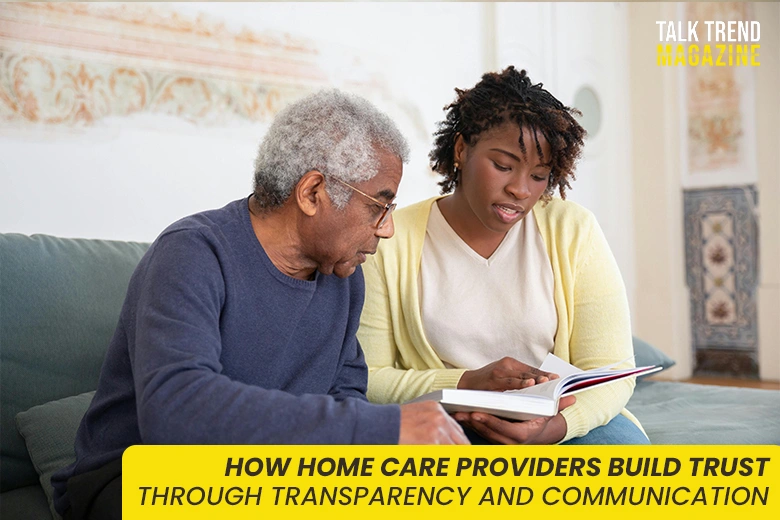

Home care professionals are essential in assisting clients and their families with daily tasks and routines. Trust develops when caregivers communicate clearly, act honestly, and actively involve clients in care decisions. In settings with vulnerable populations, transparency serves as a cornerstone for strong, lasting relationships.
According to IBISWorld, there are now approximately 507,000 home care businesses across the US. The sector has experienced an average annual growth of 5.9% between 2020 and 2025, reflecting rising demand for reliable, high-quality care services. This growth emphasizes the importance of trust and transparent communication for sustained client satisfaction.
Clients and their families gain confidence when care teams communicate openly and share updates promptly. Clear communication ensures that families feel involved and confident in the decisions affecting their loved ones. This blog post aims to explore how home care providers can build trust through transparency and effective communication strategies.
Active Listening and Empathy
Open and effective communication is fundamental to developing strong, trusting relationships between home care clients and their caregivers. Providers of senior care services benefit when families receive consistent updates about daily routines, medication schedules, and care goals. Transparency fosters confidence in clients, showing that their preferences and needs are respected.
According to AmeriBest Home Care, families feel more secure when care providers offer regular updates and detailed explanations of services. Caregivers who maintain proactive communication reduce misunderstandings and promote smoother coordination among family members.
Home care involves intimate, daily interactions that require honesty and clarity at every step. Explaining care decisions and keeping clients informed ensures they feel respected and valued. Regular communication can prevent confusion and reduce anxiety for both clients and family members. Trust grows naturally when transparency is integrated into every aspect of care delivery.
Two-way communication is equally important for understanding client needs and concerns. Listening actively to clients and responding to questions demonstrates genuine engagement. Providers who encourage dialogue create a collaborative environment that improves client experience.
Consistent and Clear Communication
Home care requires daily, close interactions that demand honesty, clarity, and patience from caregivers. Clearly explaining care routines, medication instructions, and daily activities helps clients feel valued and respected. Consistent transparency naturally strengthens trust and satisfaction in every interaction.
Ongoing coaching and feedback further reinforce communication consistency across the care team. Caregivers learn to handle sensitive topics professionally while maintaining warmth and compassion. Regular evaluation of communication skills helps identify gaps and provides opportunities for improvement. This continuous development encourages a collaborative and transparent home care environment.
Moreover, effective communication is especially important when older adults face barriers that can limit understanding and engagement. A review of 75 articles published on ResearchGate identified key factors influencing communication for older adults. Medical issues like memory disorders and sensory difficulties, including hearing challenges, can greatly impact effective communication in older adults.
Personal factors, including language differences, and environmental aspects, like limited access to assistive technologies, also play important roles. Recognizing these factors helps caregivers adapt strategies and ensure older adults remain understood and engaged.
Technology for Enhanced Transparency and Trust
Technology can support transparency in home care by providing real-time updates to clients and families. Digital care records, protected messaging tools, and online scheduling systems enable caregivers to communicate precise and timely information. When families have access to these updates, they feel more involved and confident. Clear, timely communication strengthens trust and reduces uncertainty about daily care routines.
Using technology also improves accountability and accuracy in care documentation. Electronic records minimize errors in medication management and activity tracking. Families and clients can review details at any time, which enhances understanding. This approach encourages collaboration between caregivers, clients, and family members.
However, technology must be introduced thoughtfully, respecting client privacy and comfort levels. Caregivers should provide guidance and training to ensure everyone uses tools effectively. Tools should complement, not replace, personal interactions. Balanced use of technology reinforces transparency without creating confusion or stress for clients.
Moreover, leveraging technology aligns with many older adults’ growing comfort with digital tools. New AARP research indicates nearly eight in ten older adults feel technology improves convenience and efficiency. About one-third of respondents over age 50 rely on multiple apps, devices, and advanced features daily. Integrating these tools in home care enhances communication and trust while respecting client preferences.
Collaborative Care Planning and Shared Decision Making
Collaborative care planning empowers clients and families to actively participate in care decisions. Involving them in goal setting, routines, and daily choices improves satisfaction. Clients feel respected when their preferences are incorporated into care plans. Open communication during planning strengthens trust and promotes a positive care environment.
Shared decision-making reduces misunderstandings and aligns expectations between caregivers, clients, and families. Discussing options, potential risks, and benefits ensures everyone understands the care process. Encouraging questions and feedback demonstrates respect and values client input. This approach fosters confidence in the care being provided.
Regularly reassessing care plans ensures they stay aligned with clients’ evolving needs and priorities. Caregivers can modify routines, objectives, and interventions according to client input and evolving conditions. This ongoing collaboration reinforces transparency and allows families to stay informed. Continuous engagement builds strong, trusting relationships over time.
Planning for long-term care remains challenging for many older adults. The National Poll on Healthy Aging found nearly half do not know how to plan for future care. Adults aged 50 and older most often preferred care at home with family or friends (52%), followed by paid caregivers at home (21%). Structured discussions and guidance enable clients to understand their options and make well-informed choices regarding long-term care.
FAQs
1. How can technology help monitor client safety in home care?
Modern technology can track client movement and detect falls immediately, sending alerts to caregivers without delay. Remote monitoring devices also provide families with real-time updates, giving reassurance about their loved ones’ well-being. Using these tools effectively preserves client independence while enabling proactive safety interventions.
2. What strategies do home care agencies use to reduce caregiver burnout?
Agencies implement regular breaks, structured mental health support, and workload management strategies to prevent caregiver fatigue. Training programs also equip staff with techniques for coping with stressful situations effectively. Promoting caregivers’ well-being enhances their job satisfaction and helps maintain reliable, high-quality care for clients.
3. How do agencies measure client satisfaction in home care services?
Home care agencies collect data using surveys, feedback forms, and structured interviews to evaluate client experiences consistently. Reviewing client feedback allows agencies to pinpoint improvement opportunities and track the effectiveness of their services over time. Tracking satisfaction allows agencies to maintain high-quality services that focus on clients’ needs and adapt to changing circumstances.
Transparency and communication form the backbone of trust in home care services. Through clear conversations, consistent updates, and genuine engagement, providers demonstrate respect and reliability. Investing in communication training, thoughtful technology, and collaborative planning enhances client confidence.


