

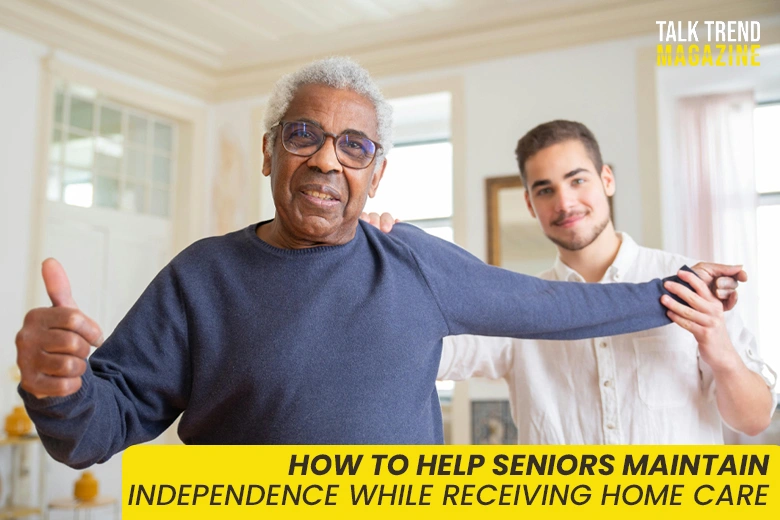

Independence is more than just being self-sufficient for many elderly people. It embodies control over their lives, the ability to make choices, and the feeling of being respected. When home care enters the picture, it can feel like a delicate transition. While this support is often essential, it may unintentionally threaten a senior’s sense of autonomy if introduced without sensitivity.
Finding the perfect balance between support and independence starts with intention. Effective home care recognizes when to step in and when to step back, allowing seniors to remain active participants in their own lives.
Rather than viewing older adults as problems to be managed, caregivers must acknowledge them as individuals shaped by experience, values, and personal preferences. This article explores practical strategies that help seniors preserve their independence while still benefiting from the safety and support that home care provides.
Creating a Safe Yet Empowering Home Environment
Home modifications are often the first step toward enhancing safety, but they should be approached thoughtfully. Simple improvements, such as installing grab bars in bathrooms, enhancing corridor lighting, or installing nonslip flooring, can significantly increase safety. Research reinforces the value of these adjustments.
As per a study published in Nature, age-friendly home modifications are linked to better health and life satisfaction among older adults. It found that having any age-friendly modification was significantly associated with improved self-rated health and higher life satisfaction.
Notably, the more modifications a home had, the better the average health and satisfaction scores, indicating a dose-response relationship. Perhaps the most empowering aspect of creating a safe home is involving seniors in the decision-making process. Since the home reflects their memories, routines, and identity, making changes without their input can feel intrusive, undermining their sense of agency.
Beyond physical safety, emotional comfort plays a crucial role in creating a truly empowering environment. Companion care services help address this need by offering social interaction, shared meals, and a reassuring presence, all of which reduce isolation.
Aurora Home Care notes that a professional caregiver helps with bathing, dressing, and toileting. This is deeply personal, and the way it’s delivered matters. Moreover, emergencies can happen anywhere. Knowing that trained caregivers are ready to respond promptly provides peace of mind for both seniors and their families.
Encouraging Physical Well-being and Resilience
Physical strength is a vital aspect of maintaining independence. The stronger and more mobile seniors feel, the more confident they are in navigating their surroundings.
Exercise doesn’t necessarily mean rigorous workouts. Simple actions like walking, stretching, chair exercises, or light resistance training can have a substantial impact. Regular physical activity enhances both mental and physical health. Such activities lower the risk of chronic diseases such as heart disease, ease pain and depression, and support longevity.
Research further highlights these benefits. As per The U.S. News Health, studies indicate that engaging in 300-600 minutes of moderate exercise weekly is associated with reduced mortality rates.
Experts recommend a balanced routine combining aerobic, strength, and balance exercises, beginning slowly. But always make sure not to explore high-impact moves like long-distance running, deep squats/heavy deadlifts, or jumping (burpees) without professional guidance.
Equally important is a mindset that focuses on ability rather than limitation. Caregivers can play a powerful role by celebrating small achievements, such as standing without assistance or walking a few extra steps. Each success builds confidence, much like laying individual bricks to strengthen a foundation over time.
Safety remains a critical consideration. Falls are one of the most serious risks facing older adults. More than one in four elderly people reports falling every year, according to Injury Facts. In 2023, 41,400 people aged 65 and over died as a result of preventable falls. More than 3.5 million people received emergency care for fall-related injuries.
Therefore, implementing fall prevention strategies, ensuring proper footwear, and maintaining clear walkways enable seniors to move confidently and reduce their fear of falling.
Supporting Cognitive Independence
Cognitive independence is just as crucial as physical independence, yet it is often overlooked in home care settings. Many seniors may require assistance with daily tasks but still desire to maintain control over their thoughts, decisions, and interactions with the world. Supporting cognitive independence involves respecting an individual’s ability to reason, remember, and make choices, regardless of their age or condition.
Research published in Frontiers shows how engaging in mind-stimulating leisure activities can positively impact well-being, cognitive impairment, and longevity in middle-aged and older adults.
For example, daily reading has been linked to many benefits. These include 7% reduction in depression risk, enhanced well-being (such as increased energy and sense of purpose), and improved cognitive abilities.
Similarly, engaging in daily solitary games is associated with a 13% decrease in mortality and increased energy. Even occasional play boosts optimism and cognitive function. Social games played daily help reduce loneliness and lower the risk of Alzheimer’s disease by 39%.
When it comes to memory care at home, the focus should be on familiarity and reassurance rather than correction. Techniques like gentle reminders, visual cues, labeling items, and maintaining consistent routines help seniors stay oriented without causing embarrassment.
Incorporating problem-solving into everyday activities can also promote cognitive engagement. Assisting seniors in planning meals, organizing schedules, or tackling simple household tasks fosters a sense of contribution. Even when they require help, collaboration is much more empowering than taking over completely.
FAQs
Why are assistive devices important for the elderly?
Assistive devices help older adults maintain independence and safety while performing daily activities. They support those with mobility, vision, or hearing challenges by reducing fall risks, improving accessibility, and making home navigation easier. Choosing the right devices depends on individual needs and the home environment.
What is supported decision-making in aged care?
Supported decision-making in aged care is an approach that helps older adults actively participate in decisions about their lives and care. Rather than making choices for them, caregivers provide guidance, information, and support. This way, individuals can make informed decisions aligned with their preferences and values.
What are the technologies for elderly care?
Elderly care technologies include wearables, smart home systems, sensors, and AI-powered tools that promote safety and independence. These technologies offer fall detection, remote health monitoring, medication reminders, GPS tracking, and even social robots. This helps seniors stay connected while giving families greater peace of mind.
Helping seniors maintain their independence while receiving home care requires a delicate balance of support and respect. As caregivers and family members, our role should be to facilitate independence, celebrating each small success as a step toward greater confidence and self-sufficiency. In this way, we not only enrich their lives but also redefine the aging experience as one filled with meaning, dignity, and choice.


