

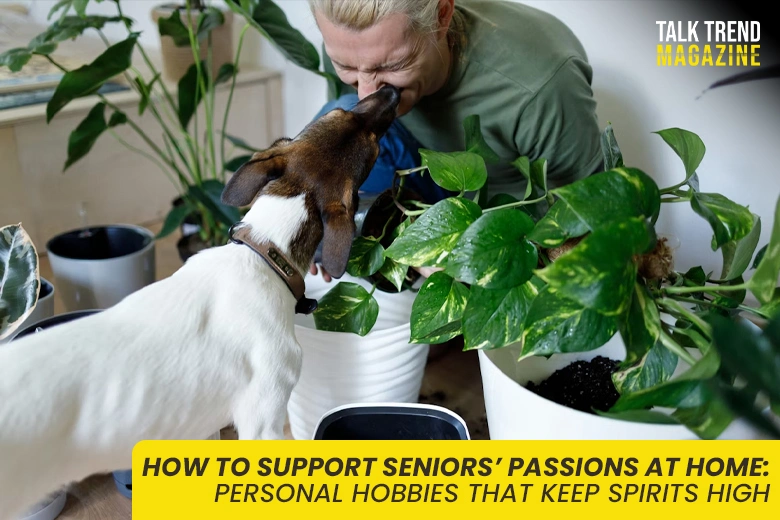

It’s tragic to think that there are still people who consider hobbies to be insignificant. To them, hustling in life is more important than “fun hobbies.” Here’s the thing: Depending on the activity, hobbies are also good for health.
UCLA Health shares that people of all ages who spend time on activities they enjoy report better mental health and higher life satisfaction. Such people are less likely to suffer from anxiety or depression.
For seniors in particular, meaningful hobbies can keep the spark in their lives burning bright. If you have a senior loved one at home, it’s time to encourage their dearest passions. This article will explore how to do so through practical strategies. We have also curated a list of hobbies that will lift seniors’ spirits and enhance their quality of life.
Why Personal Hobbies Matter
Would you be surprised if a senior member in your family wants to enjoy some personal time for hobbies? Many people do see hobbies as a way of ‘killing time.’ On the contrary, it is hobbies that keep spirits high and life enriched, especially after 60.
It’s true that after a certain age, even daily chores can seem as mammoth a task as climbing Mount Everest. As Caring with Integrity Home Care shares, managing household bills or just keeping the kitchen tidy can suddenly feel like running a marathon. However, staying engaged in activities that bring joy does help maintain a sense of purpose and identity.
Plus, it’s possible to get meaningful support that helps keep seniors steady and independent in their own homes. Speaking of hobbies, an international study of 84,267 adults aged 50+ across 24 countries had some interesting findings. It showed that folks who regularly engage in hobbies have better memory and overall brighter brain function.
So, keeping your mind and hands busy is more than just fun. It is also scientifically smart, even and especially for older adults. Here are the major benefits seniors can derive from personal hobbies:
- Mental stimulation: Regular participation in personal hobbies keeps the memory sharp and attention alive. Think of it like a gymnasium for the brain.
- Emotional well-being: Hobbies offer a platform for creative expression, thereby reducing feelings of depression and anxiety.
- Social engagement: Many hobbies can be shared with others, and these provide a sense of belonging and social connection.
- Sense of purpose: When seniors complete a task or learn a new skill, it builds confidence and solidifies a sense of purpose in them.
Be it for children, adults, or even older adults, hobbies are not merely pastimes. They may be the key that unlocks a higher quality of life for all age groups.
Practical Ways to Encourage Hobbies at Home
Do you have a senior at home who would like to pursue their hobbies? Then, you can do more than set out craft supplies or a crossword book. Encouraging hobbies at home is all about creating an inviting environment for engagement and fun.
Make hobbies an enjoyable part of daily life, and your senior will be more likely to stay physically active and emotionally fulfilled. On that note, here are a few practical strategies to make hobbies feel rewarding:
Create Inviting Hobby Zones
It’s true that the atmosphere is capable of changing one’s mood. Going by this principle, you may have to designate zones based on seniors’ hobbies. So, think along the lines of a cozy nook for art supplies or a well-lit table for puzzles and card games.
A dedicated space sends the message that hobbies are intentional and valuable. If you want to go a step ahead, decorate the space with photos or inspirational quotes for that personal touch.
Offer to Help With the Setup
A fun and natural way to bond with seniors is to help them out with their tools and explain new techniques. However, allow them to make creative choices. After all, autonomy and independence fuel pride.
This will provide them with the social connection they need. Plus, clear labeling and easy storage reduce frustration, making the project feel fun.
Bring in Technology as a Bridge
You can even use tablets and simple applications to introduce seniors to virtual classes and online communities. This can be an extension of the hobby itself.
How about watching a painting tutorial together before trying it out? Even a music session online can add variety and connection to the dedicated hobby hours.
Use Structure to Sustain Engagement
One of the most important things to do is to make the hobby a part of the senior’s daily routine. Encourage them to schedule this time based on their convenience. You can suggest creative hours, such as after breakfast or before supper.
It’s even possible to make it a weekly thing, say, a board game once a week. Routines do become lasting habits, and they will offer older adults something exciting to look forward to on a daily or weekly basis.
Celebrate Progress
No matter how small, acknowledge and celebrate your senior’s milestones. When they finish a painting or complete a garden task, they will likely want someone to recognize their efforts.
Allowing them to proudly display their creations will boost confidence and engagement. Compliments from family and friends will matter the most.
Popular Hobbies That Seniors Enjoy
Certain hobbies naturally resonate with older adults because they combine comfort, creativity, and emotional rewards. Such activities meet seniors where they are and honor their pace of life and energy. Here is a breakdown of the most enjoyable hobbies for seniors:
Gardening
Seniors often gravitate towards gardening, as to many, this activity reminds them of their childhood days. Moreover, gardening provides a strong connection with nature and is deeply grounding.
With gardening as a hobby, seniors can experience the following benefits:
- Emotional well-being because nurturing plants reduces stress and anxiety.
- Cognitive stimulation, as is required to remember watering schedules and seasonal needs.
- Better physical activity since gardening does require light movements like stretching and walking.
- A sense of purpose as seniors get to tend to plants that depend on them for their nourishment.
Arts & Crafts
Arts and crafts also appeal to seniors because they combine creativity and a sense of accomplishment. The most appealing aspect is that this activity does not require perfection. There are no strict rules or deadlines.
A painting may look completely different from what a senior expected, and yet be rewarding to complete. From a mental health viewpoint, particularly, arts and crafts provide the following benefits:
- They stimulate the brain through color choice and pattern recognition.
- They encourage mindfulness, allowing seniors to stay grounded and present.
- They may also lower stress hormones by promoting relaxation and emotional balance.
Music
Seniors are often transported back to their good old days with a single familiar track, right? This is why many take up music as their hobby. Some enjoy listening to familiar music, whereas others may take up singing classes or music therapy sessions. All in all, the following benefits can be expected:
- Emotional stability, as music is known to lift one’s mood and reduce stress.
- Better memory, as songs from previous decades often trigger vivid past moments.
- Improved physical health, which is mainly seen in those who gently sway with the music or indulge in light dancing.
Puzzles & Games
This is among the most mentally stimulating hobbies for seniors to enjoy. However, the enjoyable aspect comes from the fact that there is no pressure involved. Seniors are free to complete quizzes and puzzles at their own pace.
Most importantly, they can work their way up to harder levels for a sense of accomplishment. Let’s look at the key benefits puzzles/quizzes offer:
- Cognitive health improves as puzzles require good attention and problem-solving skills.
- Quizzes and puzzles train concentration without overwhelming the mind.
- Group games can also be played to reduce loneliness and foster bonding.
Cooking/Baking
Cooking or baking often holds deep emotional value for seniors. Again, these are activities tied to their tradition and identity. Preparing familiar dishes can instantly transport them back to meaningful moments, including family gatherings and cultural celebrations.
Now, let’s take a look from a practical perspective. Here are the powerful benefits of cooking/baking:
- Seniors feel useful and needed, even if the activity involves small tasks like mixing ingredients or seasoning food.
- The process of following recipes and timing each step enhances brain function.
- Activities like kneading dough and decorating pastries also improve fine motor skills.
- Cooking naturally invites conversations and storytelling, which can be a bonding activity with caregivers and grandchildren.
Meaningful hobbies make daily life enjoyable, and they support physical and mental well-being. Seniors need at least two or three well-loved hobbies that can be engaged in from time to time. As they age further, these will help them feel valued and cherished.
Today, more Americans are entering their senior years than ever before. As of 2024, nearly 61.2 million people were aged 65 or older in the country. This figure has continued to grow with the growing age of Baby Boomers.
With such a population of older adults, hobbies are a must to help them stay independent and fulfilled. As they do so, caregiving families can also enjoy deep reassurance and peace of mind.


