

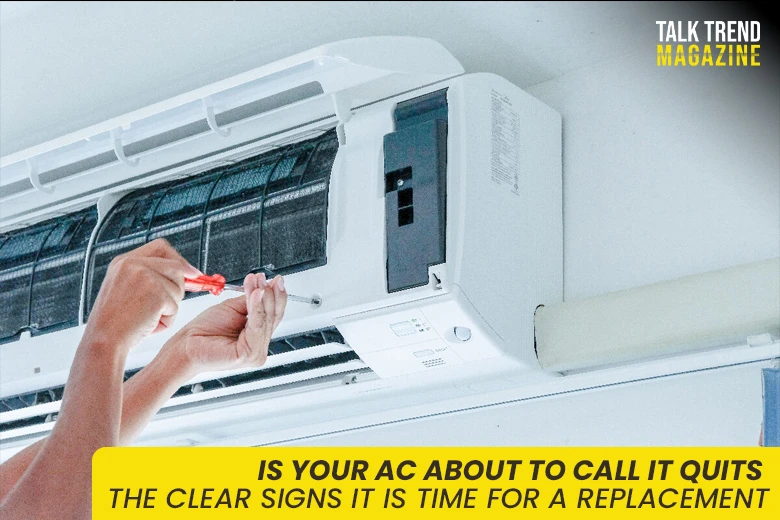

Most air conditioners do not fail out of nowhere. They drop hints for months, sometimes years, and the earlier you notice the pattern, the easier it is to avoid a hot-house emergency and an expensive rush decision. If your system is older, louder, and less reliable than it used to be, it might be running on borrowed time, and a quick check with vikingair.net can help you figure out whether you are looking at a repair that makes sense or a replacement that will save you stress later.
The Age Question and Why It Matters
Age is not the only factor, but it is the easiest place to start because wear adds up quietly. Even a system that “still runs” can be past the point where it runs efficiently, comfortably, or safely.
Your unit is getting up there in years
Many systems begin to show end-of-life behavior as major components wear down, seals loosen, and coils collect buildup that never fully comes off. If your AC is well into its later years and you are seeing new issues each season, replacing it can be more predictable than trying to keep patching it.
You have changed the home but not the system
Finished basements, new windows, a remodeled attic, or added rooms can change how much cooling you need. An older system that was once “fine” might now be undersized or badly matched to the space.
Key Warning Signs Your Cooling System Is Near the End
Warning signs usually show up in clusters, not as a single weird day. If you recognize several of these at once, it is often a strong signal that replacement deserves a serious look.
Your bills rise even when habits stay the same
When your energy cost creeps up year over year, the system may be losing efficiency. Worn motors, dirty coils, low refrigerant, and failing capacitors all force the unit to work harder for the same comfort.
Your home cools unevenly
Hot spots in certain rooms can point to airflow problems, duct leaks, failing blowers, or a system that cannot keep up. If you are constantly adjusting vents or arguing over the thermostat, the equipment might be struggling to distribute air evenly.
You hear new noises that make you pause
Rattling can mean loose parts. Grinding can point to motor or bearing trouble. Screeching can be belt or blower related. A healthy system is not silent, but it should not sound like it is fighting for its life.
Humidity feels sticky even when the temperature is low
A working AC removes moisture as it cools. If the air feels clammy, you may be dealing with short cycling, poor airflow, or a unit that is no longer controlling humidity the way it should.
Fun fact: Your AC does not just cool the air, it also “wrings out” moisture, which is why a properly running system can make the same temperature feel noticeably more comfortable.
Your system runs nonstop or turns on and off too often
Constant running often means the system cannot meet demand. Rapid on-off cycling can be caused by oversizing, thermostat issues, restricted airflow, or failing components. Either way, it adds wear and can shorten lifespan fast.
Repairs are becoming a routine event
One repair every few years is normal. Several repairs in a single season is not. When repair costs keep stacking, you are usually paying to delay an inevitable replacement, not avoiding it.
Weak airflow from vents
If the air coming out feels faint, the issue could be clogged filters, duct problems, a dirty coil, or a blower that is losing strength. Weak airflow makes everything else worse, from comfort to humidity control.
Repair vs Replace a Practical Way to Decide
The best decision is rarely emotional. It is about risk, comfort, and long-term cost. A good technician can test electrical components, check refrigerant conditions, measure airflow, and inspect ducts so you are not guessing.
Here is a simple way to think about it:
● If the unit is older and a major part fails, compare that repair cost to the value of a new system.
● If comfort issues are frequent and spreading to more rooms, replacement usually delivers a bigger quality-of-life improvement than another repair.
● If you plan to stay in the home for years, efficiency and reliability matter more than squeezing out one last season.
What a Smart Replacement Includes
A replacement should feel like an upgrade, not a repeat of the same problems. The best results come from a full-service HVAC team that handles more than just swapping equipment.
That kind of team typically covers professional AC installation and replacement, fast repairs, seasonal maintenance, and tune-ups that keep performance stable. They also look beyond the outdoor unit by addressing duct cleaning, duct repairs, and even duct installation when airflow problems are rooted in the system layout. If your home is a better fit for a heat pump or a mini split setup, having those options on the table can prevent you from overbuying or underbuying.
Fun fact: A surprising amount of comfort complaints come from airflow issues, not “bad equipment,” which is why duct condition and sizing matter so much when you replace a system.
Need Cooling with No Downtime Consider a Temporary Chiller
Sometimes replacement or major repairs cannot happen instantly, and you still need reliable cooling for people, equipment, or operations. In those situations, portable chiller rental units can be a practical bridge that keeps temperatures stable while you finalize repairs or install a permanent solution, and the same kind of stopgap mindset often applies to portable heating solutions for businesses when temperatures swing the other way. Rentals are often available for short or extended terms, and the provider typically helps size the chiller to your load, delivers the equipment, sets it up, and removes it when you are done. This approach is common for emergency breakdowns, planned shutdowns, special events, process cooling, and temporary capacity during peak demand. It can also reduce risk when you are waiting on parts or coordinating a larger HVAC upgrade, because you are not forced into a rushed purchase just to get through the week. When cooling continuity is critical, a temporary chiller can buy you time and breathing room without sacrificing performance.
How to Make Your Next System Last Longer
Once you replace your old AC, protect your investment from day one. Small habits add up, and they keep your new system closer to its best performance.
Change filters on schedule, keep the outdoor unit clear, and schedule routine maintenance so small issues do not grow into expensive repairs. If you have dust issues, allergy concerns, or rooms that never feel right, ask for an airflow and duct inspection too. When the whole system is working together, the equipment runs less, lasts longer, and keeps your home comfortable without drama.


