
When you support an older family member, you want them to remain safe at home. The bathroom is often where serious injuries happen. Wet tiles, constricting areas, and slippery floors increase fall risks. Falls also take longer to recover from as people age.
You may not need a full remodel to prevent injuries. Small changes make a difference. These adjustments help your loved one stay independent longer. They also lower stress for you. The goal is to make everyday activities safer without large expenses.
The next step is understanding why bathroom safety is so critical. You should also understand how disabilities and aging affect mobility. This context helps you choose the right modifications for your loved one.
Aging, Disability, and the Bathroom Safety Gap
According to research, physical ability declines earlier than most people expect. A decades-long Swedish study, summarized in The Independent, followed adults from age 16 to 63. It found that strength and fitness peak around age 35 and then taper off.
The decline becomes more noticeable in later decades. By age 63, total physical capacity drops by 30 to 48%. These physical changes increase the risk of falls during bathing or toileting. Falls are already common among older adults. CDC data shows that more than 14 million adults aged 65 and older report falling each year.
Roughly 40% of seniors experience a fall, and about 37% require medical treatment or activity restriction. Falls are also the primary cause of lethal and nonlethal injuries among older adults. CDC reporting on health care access adds further context.
About 61 million adults, or one in four Americans, report having at least one disability. Among adults aged 65 and older, roughly two in five report a disability that affects daily activities. These statistics show why fall prevention must begin early rather than after an injury.
Falls often mark the beginning of serious mobility limitations. Barriers to routine care and preventive services remain common for certain disability groups. These gaps increase the urgency of preventing injuries at home.
Simple bathroom modifications can address some of these risks. When you understand how aging affects muscle strength, balance, and response time, prevention becomes a priority rather than an optional upgrade.
Essential Modifications for a Safer Bathroom
Bathrooms pose major hazards for seniors due to wet floors, tight spaces, and brittle tile surfaces. Modifications should be based on a person’s mobility, balance, and endurance.
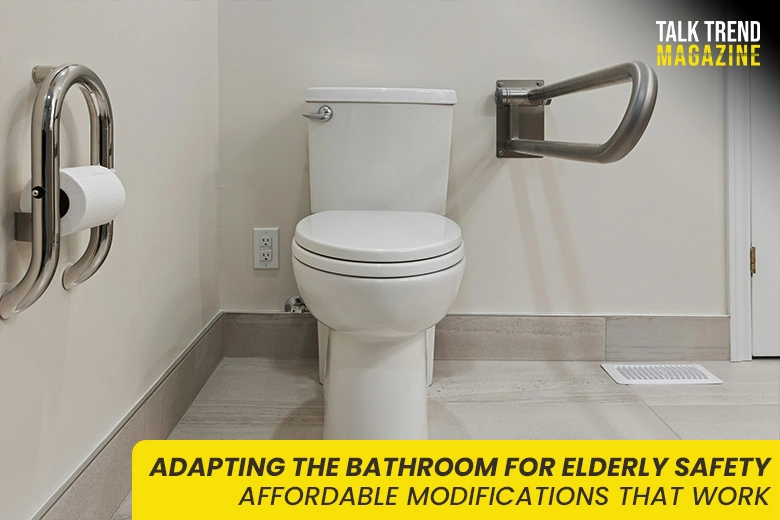
Occupational therapists suggest beginning by removing tripping hazards such as loose rugs or floor items that obstruct walker or cane paths. They recommend installing grab bars near the shower, entrance, and beside the faucet for support, and placing a non-slip mat in the shower to reduce sliding.
Experts propose a raised toilet seat that attaches securely to standard toilet bowls. A toilet frame can also provide added support for sitting and standing. Using a shower chair or transfer bench for bathtub access, combined with a handheld shower head, allows safe bathing in a seated position.
Lighting changes also matter, and professionals recommend nightlights or brighter bulbs for safer navigation. Because many older adults require help with personal care tasks, modifications should support caregiver involvement as well. CareSphere notes that home care enables people who need assistance with daily activities to remain safely at home.
When safety equipment accounts for shared movement space, caregivers can assist without crowding or straining themselves. This also prepares the space for routine care tasks. Many families pair these physical changes with trained caregiver assistance.
In-Home Support and Safe Bathroom Routines
Modifications alone cannot remove all risks. Many aging adults still need help with bathing, dressing, and transferring safely. When support is inconsistent, bathroom routines become risky.
You may struggle to assist a family member if you lack training or strength. Trained caregivers can support safe bathroom mobility and routines. They help older adults maintain balance, transfer safely, and use equipment correctly. Their support lowers the chance of slips caused by fatigue or sudden imbalance.
Caregivers also identify hazards early. They may notice changes in walking speed, reaction time, or grip strength before injury occurs. This helps you adjust routines or add equipment as needs grow. Even when products are in place, some older adults hesitate to use them or rely on unsafe habits.
A caregiver reinforces safe practices and checks that devices such as grab bars are used properly and consistently. You can also create routines that reduce fall risks without major expense. Encourage your loved one to keep essentials like towels and toiletries within easy reach.
Make sure wet floors are dried immediately. Schedule bathroom use to avoid late-night trips when visibility is poor. Teach slow, steady transitions between sitting and standing to avoid sudden loss of balance. Regular supervision during bathing and toileting provides another layer of safety.
Budget-Friendly Tools and Safety Tech
Low-cost tools and simple technology add another layer of protection. Help buttons enable seniors to call their loved ones for assistance whenever they fall. Some devices send alerts to you or a caregiver when pressed.
Motion-activated lights remove the need to search for a switch in the dark. Good visibility reduces missteps. A handheld shower head also makes bathing easier from a seated position, reducing the need for twisting and leaning. This decreases strain on joints and muscles.
Some families install inexpensive sensors that detect inactivity in the bathroom. If someone does not exit within a normal time window, the device alerts a caregiver. These tools improve response times without requiring expensive monitoring systems.
Focus on usability by choosing devices that are easy for your loved one to operate. Many accidents happen when tools are confusing or too complex. Effective bathroom safety combines simple equipment with consistent use. This prevention matters, as the senior population with disabilities will rise in the coming decades, according to KFF Health News.
The U.S. health system isn’t prepared to meet these growing needs. Gaps became clear during the pandemic, when many older adults struggled to access treatment. This reinforces why preventing bathroom injuries at home is a priority, especially for families trying to avoid emergency medical costs.
People Also Ask
1. Can bathroom safety changes help seniors stay independent longer?
Accessible bathroom features reduce the physical strain of bathing, standing, and transferring. With safer layouts and equipment, older adults can complete more daily activities without constant supervision. This lowers fall risks and delays the need for long-term care, helping them remain in their own homes longer.
2. What is the safest type of flooring for elderly bathrooms?
Slip-resistant flooring materials like textured vinyl, rubber flooring, or small tile with wide grout lines improve traction when wet. These surfaces help prevent sliding compared to smooth tiles. Choosing flooring with a matte finish and installing it in both wet and dry areas supports safer movement for older adults.
3. What bathroom layout changes improve safety for seniors?
Wider pathways, open shower entryways, and reachable storage reduce awkward movements and slipping hazards. Removing clutter near doorways and sinks helps avoid tripping. Designing the bathroom so that essential items can be reached without bending or stretching supports safer daily use for older adults.
Bathroom safety depends on understanding mobility limits and addressing hazards before injuries happen. Affordable changes such as grab bars, lighting improvements, and shower seating reduce fall risks. Caregiver support strengthens these efforts by helping with safe bathroom routines and mobility.
Technology and low-cost alert tools can provide fast responses during emergencies. When you take these steps, you improve safety and dignity for your loved one. You help them continue living at home with confidence.
