
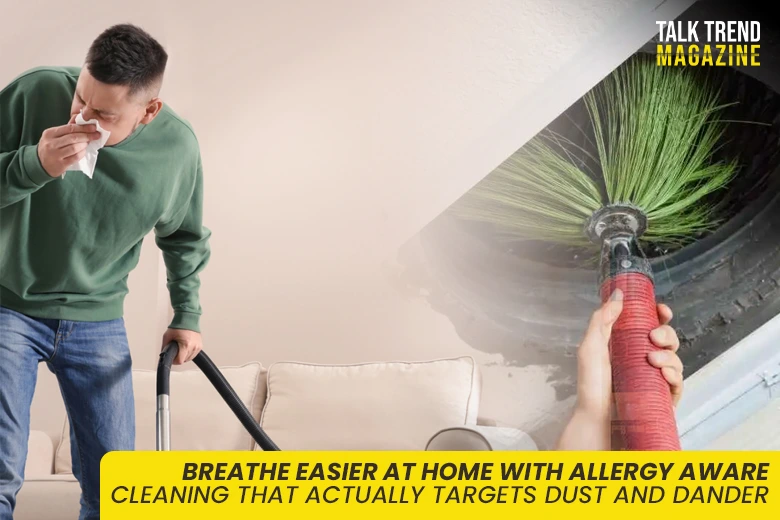
If you deal with sneezing fits, itchy eyes, or that annoying “stuffy” feeling that shows up the moment you relax on the couch, your home might be holding onto more dust and dander than you think, according to The White Glove Maid Service. Allergy aware cleaning is not about making everything smell like lemons. It is about removing the tiny irritants that settle into carpets, cling to fabrics, and float back into the air every time you walk by. The good news is that with the right approach, you can make a noticeable difference in how your home feels day to day. And if life is busy, professional home maid cleaning services can be a smart, supportive way to keep things under control with consistency.
Why Dust and Dander Are So Stubborn Indoors
Dust is not just “dirt.” It is a mix of particles like dead skin cells, fabric fibers, soil tracked in from outside, and even tiny bits from insects. Pet dander is even sneakier because it is lightweight and sticky. It clings to upholstery, bedding, and curtains, then gets kicked up again and again.
Fun fact: Dust can contain tiny bits of pollen and other outdoor particles that hitch a ride inside on shoes, clothing, and even your hair.
What makes allergies feel worse at home
A big reason indoor allergies linger is that many triggers build up in soft surfaces. Carpets, rugs, couches, and mattresses act like giant collectors. Add in central heating or air conditioning, and those particles can circulate through rooms more than you would expect.
The “invisible” problem with quick cleaning
A fast tidy might make a room look nice, but it can miss what matters most for allergy relief. Dry dusting, for example, often just moves particles around instead of removing them. That is why allergy aware routines focus on capture and removal rather than spreading and shining.
The Allergy Aware Cleaning Routine That Makes a Difference
A good routine does not have to be extreme. It just needs to be targeted. The goal is to reduce the amount of dust and dander available to become airborne, especially in the rooms where you spend the most time.
Start with high impact surfaces
Begin where allergens gather the most. Floors, rugs, bedding, and upholstered furniture are usually the top offenders. Vacuuming is important, but technique matters. Slow passes help the vacuum do its job, and vacuuming in multiple directions can pull more debris from carpet fibers.
Use damp methods instead of dry dusting
Damp microfiber cloths are your best friend here. They trap dust rather than flicking it into the air. That means fewer particles floating around and fewer “why am I sneezing again?” moments right after you clean.
Wash fabrics on a schedule
Curtains, throw blankets, cushion covers, and pet bedding quietly collect allergens. Washing them regularly can make a bigger difference than people expect, especially during seasonal allergy months when pollen tags along indoors.
Room by Room: Where Allergens Hide the Most
Every home has a few “hot spots” that hold onto triggers. Tackling these areas with intention often delivers the fastest relief.
Bedroom: the allergy reset zone
You spend hours here every night, so it is worth prioritizing. Wash sheets and pillowcases consistently, and do not forget the mattress itself. Vacuuming mattresses and using a washable mattress protector can reduce build up over time.
Fun fact: The average person sheds enough skin cells each day to help feed dust mites, which is one reason bedrooms can become a major allergy zone.
Living room: soft furniture and rugs
Couches and chairs are dander magnets, especially if pets like to lounge with you. Vacuum upholstery with attachments, and consider cleaning under cushions where debris collects. Rugs should be vacuumed on both sides if possible, because dust settles beneath them too.
Entryways: the hidden source of “outside” allergens
If pollen is part of your allergy picture, your entryway is the first line of defense. A good doormat strategy and a quick wipe down of high touch areas can reduce how much ends up spread throughout the home.
Products and Tools That Help Without Overdoing It
You do not need a cabinet full of harsh chemicals to clean for allergies. In fact, strong fragrances can bother sensitive people even if the surfaces look spotless. Choosing simple, effective tools is usually the better move.
Microfiber and HEPA make a strong combo
Microfiber cloths trap particles well, and HEPA filtration in vacuums helps keep fine dust from blowing back into the air. These two upgrades alone can change the feel of cleaning for allergy prone households.
Choose low scent options when you can
Many people assume “fresh” means scented. But allergy aware cleaning leans toward low odor products that rinse clean. If you love a pleasant smell, consider ventilating the home well and using scent sparingly rather than relying on heavy fragrance.
How Professional Home Maid Cleaning Services Support Allergy Sensitive Homes
Keeping allergens down is not a one time event. It is the consistency that matters. That is where professional home maid cleaning services can be especially helpful, because a trained team can follow a structured process that targets the same dust and dander zones week after week, as seen at broomsoverbroome.com site. Professional cleaners are also equipped to handle deep cleaning tasks that often get skipped, like baseboards, vents, ceiling fan blades, behind furniture, and other areas that quietly collect debris. For many households, that regular reset makes it easier to breathe, sleep, and simply enjoy being at home.
Fun fact: Indoor air can sometimes contain more concentrated pollutants than outdoor air, especially in tightly sealed homes where allergens and particles have fewer ways to escape.
Small Habits That Keep Your Home Feeling Better Between Cleans
You do not have to overhaul your life to see results. A few small habits can help maintain that clean, breathable feeling between full cleaning sessions.
Try taking shoes off at the door, brushing pets regularly, and doing quick microfiber wipes on the most used surfaces. If you want one simple habit that pays off fast, it is keeping bedding and pet blankets on a steady wash routine.
Allergy aware cleaning is really about comfort. When dust and dander are under control, your home feels calmer, lighter, and easier to live in. Whether you do it yourself or lean on professional home maid cleaning services for support, the payoff is the same: you get to breathe easier in the place that should feel best.
