

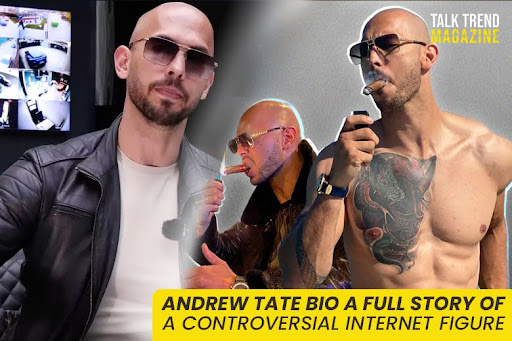

Andrew Tate is one of the most talked-about and controversial personalities on the internet today. Some people admire him, while others strongly criticize him. His life story includes sports success, reality TV fame, viral social media influence, and intense Andrew Tate controversies and multiple legal battles.
If you are exploring everything about Andrew Tate, this article explains his life step by step, so give it a read to learn all about it.
Who Is Andrew Tate?
Andrew Tate is a British‑American internet personality, former professional kickboxer, and controversial public figure known for his outspoken and often divisive opinions. He was born on December 1, 1986, in Washington, D.C., United States, but grew up mainly in the town of Luton in England. Tate later gained global attention through social media, where his videos and statements sparked huge discussion and sometimes outrage.
Andrew’s public identity is a mix of champion fighter, social media influencer, businessman, and self‑described success coach. Fans see him as a confident motivational figure, while critics call his views harmful and misogynistic. The debates around him have created massive internet buzz and have made his name widely recognized — even if many people disagree with what he stands for.
Andrew Tate Early Life and Family
Andrew grew up with his family in England. His father Emory Andrew Tate Jr was an American chess master, and his mother worked as a professional businesswoman and linguistics teacher. From a young age, he was encouraged to think independently and compete. Andrew has a younger brother named Tristan Tate, who also became a public figure alongside him.
The two brothers trained together and eventually entered the world of combat sports. While Andrew focused on kickboxing, Tristan also pursued martial arts and later became involved in their online businesses together.
Growing up in a competitive household helped shape Tate’s strong personality and ambition. Yet his later public image would go far beyond sports — into a world of internet fame and deep controversy.
What Made Andrew Tate Famous? Reality TV and Early Success
Andrew Tate first became publicly known in 2016 when he appeared on the British reality TV show Big Brother in 2016 (Big Brother UK series 17). This show places strangers together in a house where their behavior is monitored around the clock, and people vote to keep or evict them. Tate was brought into the series as part of a secret group called “The Others.” However, his time on the show was short. He was removed from Big Brother after just a few days.
The official reason for his removal was related to outside controversies and a video involving him and a woman. Tate said the interaction was between consenting adults and not harmful. But because of this and earlier online posts, the producers chose to remove him from the program. This early media exposure helped propel him into public awareness and foreshadowed the way social media would shape his fame in the years to come.
While the reality TV show Big Brother in 2016 gave him a first taste of worldwide attention, it was social media platforms — especially TikTok and Twitter (now X) that truly made him a global name. Clips of his speeches, lifestyle videos, and extreme opinions went viral, especially among young men around the world.
Andrew Tate as a Champion Kickboxer
Before he became an internet figure, Andrew made his name in combat sports. Known in the ring as “King Cobra,” he competed professionally in kickboxing and gained titles in cruiserweight and super cruiserweight divisions.
Tate’s combat career gave him public credibility as a successful athlete. It also helped build the platform from which he would later promote his online coaching and lifestyle advice. Even after retiring from professional fighting, his athletic achievements remained part of his identity and appeal.
The Rise of an Influencer and Controversial Persona
After his Big Brother exit, Andrew Tate worked to build an online presence. He began posting motivational content, pictures of luxury cars, expensive watches, mansions, and a lifestyle many people aspire to. Combined with bold statements about wealth, relationships, and success, this content drew millions of viewers and followers.
By the early 2020s, Tate had become one of the internet’s most polarizing figures. Millions of people watched or shared his videos. But a large part of his attention — and a big reason people searched for Andrew Tate controversies — came from his outspoken and widely criticized views on gender roles, women, success, and masculinity.
What Andrew Tate Says About Women?
One of the main reasons Andrew Tate became so talked about involves his statements about women. Many of his remarks were widely described as “misogynistic,” meaning they were hurtful or prejudiced against women. Critics have accused him of promoting harmful ideas that suggest women are inferior or should be treated as property.
For example, clips circulated showing him saying things like women belong at home, shouldn’t drive, or should take responsibility for being harmed in certain situations. He also made comments about how he prefers to date very young women as a way of “imprinting” on them.
These statements made headlines around the world, sparked investigations, and even led to his bans from major platforms like Facebook, Instagram, and TikTok at different times.
Supporters say Tate is being provocative to make a point about masculinity and free speech. Critics, however, argue that his remarks normalize sexism and dangerous attitudes toward women. Because of this, discussions of “Andrew Tate says about women” are often central in articles and debates about him online.
Andrew Tate’s Business and Source of Earnings
Andrew Tate has developed several income streams over the years. At first, his money likely came from prize earnings and sponsorships as a professional kickboxer. But his biggest earnings have come from his online ventures.
One of his most well‑known businesses was Hustler’s University (later renamed The Real World) — an online course platform selling training programs on how to make money, invest, and build confidence. Subscribers paid monthly fees to join these programs. These businesses marketed themselves as masterclasses for men seeking financial and personal success.
Tate also generated income from coaching, speaking engagements, merchandise, cryptocurrencies, and video content sponsorships.
However, some legal investigations claimed that his business operations also crossed legal and ethical lines. Reports emerged about money laundering, tax issues, and the movement of large amounts of cash through complex systems. In one case, a woman was alleged to have moved millions of dollars for Tate’s businesses through her accounts. These details, while part of legal scrutiny, also highlight how his earning strategies have been tied to controversy and public interest.
Andrew Tate Controversies That Shocked the World
The story of Andrew Tate is inseparable from the controversies that have followed him everywhere.
Online Misogyny and Public Outrage
Massive debates erupted when clips of Tate’s statements about women spread across TikTok, YouTube, and other platforms. Many viewers, especially parents and educators, worried about the influence of his rhetoric on young men and boys. Tate’s statements were described by critics as promoting disrespect, dominance, and a harmful idea of masculinity.
Social Media Bans
Because of controversial content, major platforms such as Facebook, Instagram, and TikTok removed his accounts or limited his reach. This was part of efforts to reduce the spread of material seen as harmful or abusive.
Ongoing Legal Controversies
Perhaps the biggest chapter in Andrew’s public life concerns legal cases. Starting in late 2022, Tate and his brother, Tristan Tate, were arrested in Romania as part of investigations into human trafficking, rape, forming a criminal gang, and sexual exploitation. Romanian prosecutors charged the two with very serious offenses involving the alleged coercion and exploitation of women.
In addition to the Romanian cases, Tate was also the subject of legal actions in the United Kingdom and the United States. These include civil lawsuits by multiple women accusing him of assault, coercive control, and abuse. One lawsuit filed in the U.S. alleges sexual assault and battery, while civil suits in the U.K. claim serious injury and harm. Tate and Tristan have denied all allegations, arguing that accusations against them are false or politically motivated.
Many of these legal situations are still ongoing, and it is important to remember that in some cases, charges are under investigation or disputed, with no final verdicts yet.
Andrew Tate’s Public Image and Influence
The influence of Andrew Tate is hard to measure simply. Some experts say he has played a major role in online culture, especially within groups of young men who see his messages as motivation for confidence and self‑improvement. Others argue that his rhetoric contributes to a broader problem of toxic masculinity and negative gender attitudes among youth.
What is clear is that his voice has been heard by millions. He has used social media algorithms to spread content not only about money and success but also about his personal worldview, which many find inspiring, while others view it as dangerous.
A Complex and Controversial Life
Andrew Tate’s life story, from his early kickboxing roots to reality TV fame, and from social media dominance to legal battles, shows how modern fame can come from multiple sources, not all positive. He has fans who praise his confidence and critics who condemn his messaging.
Whether you admire him, reject him, or simply want to understand the phenomenon, knowing the full context of Andrew Tate’s controversies, his early life, business earnings, and legal challenges gives a complete picture of why his name is everywhere in today’s digital culture.


