Jabeen Sahiba

Jabeen Sahiba is a talented content writer known for creating engaging, clear, and informative content across various topics. Her versatile writing style makes her a valuable asset to any project.

When you search for Bob Flick, you may want to know who he was to the late actress Loni Anderson, the man she married later in life and remained with for more than a decade. At the same time, many are surprised to learn that Flick had a long and respected career of his own—well before he ever became known as Loni Anderson’s husband.

Bob Flick is a founding member of the legendary folk group The Brothers Four, a band whose smooth harmonies helped shape American folk-pop music in the early 1960s. His life story connects two very different worlds: classic television Hollywood and traditional American folk music. 

For fans of Anderson and readers discovering Flick for the first time, his journey offers a quiet but meaningful legacy built on music, commitment, and lasting partnership.

Who Is Bob Flick?

Bob Flick is an American musician best known as a founding member of The Brothers Four, one of the most successful folk groups of the late 1950s and early 1960s. Over time, he also became widely recognized as Loni Anderson’s fourth husband, a role that brought him into public attention later in life.

While Flick never chased celebrity in the Hollywood sense, his music career placed him firmly within American pop culture history. His calm public presence contrasted with Anderson’s highly visible acting career, and that balance became a defining feature of their marriage. For many fans, Bob Flick represents the stable and private chapter of Anderson’s life after years of intense media attention.

Bob Flick Early Life and Career

Bob Flick was born in Seattle, Washington, and developed an early interest in music. He later attended the University of Washington, where a casual college connection turned into something far more significant.

During his university years, Flick joined with fellow students to form a vocal harmony group that would soon become known as The Brothers Four. What began as informal performances quickly grew into professional opportunities after the group impressed audiences with their clean harmonies and accessible folk sound.

Their timing was ideal. The late 1950s marked the rise of American folk music into the mainstream, and The Brothers Four fit perfectly into that moment. Flick served as a vocalist and bassist, contributing both musically and creatively to the group’s early identity.

Bob Flick Songs and Rise With The Brothers Four

Bob flick songs are most often referred to the catalog of The Brothers Four. Their breakthrough came in 1960 with the song Greenfields,” which became a massive commercial success.

The track reached No. 2 on the Billboard Hot 100, sold more than one million copies, and earned a gold record. For a college-born folk group, this achievement was remarkable and instantly placed them among the era’s most recognizable harmony acts.

The Brothers Four went on to release multiple albums, appear on major television programs, and even perform at the Academy Awards, where they sang “The Green Leaves of Summer” from The Alamo. The group also built a strong international following, particularly in Japan, where their music remained popular for decades.

Through it all, Bob Flick remained a consistent member of the group, helping maintain its musical continuity and professional reputation.

Achievements and Recognition

Bob Flick’s achievements are closely tied to the long-term success of The Brothers Four. The group’s early chart success, combined with decades of touring and recording, placed them among the enduring names of American folk-pop.

Beyond chart performance, Flick’s career expanded into work as a composer, arranger, and producer, contributing music for broadcast and documentary projects. Over the years, this work brought industry recognition, including involvement in projects associated with Emmy, Grammy, and Academy Award–recognized productions.

Rather than focusing on fame, Flick built a reputation as a reliable and respected musician—someone whose career longevity mattered as much as early success.

How Old Was Bob Flick When He Married Loni Anderson?

Bob Flick was born in 1939, according to widely cited music databases. When he married Loni Anderson on May 17, 2008, Bob Flick’s age was approximately 68 or 69 years old, depending on whether his birthday had occurred earlier that year.

Their wedding was not a Hollywood spectacle but a deeply personal event that reflected their shared history.

Their Wedding and a Love That Came Full Circle

What made their marriage especially meaningful is that Flick and Anderson had actually met decades earlier. The two crossed paths for the first time in 1963, when both were young and at the beginning of their careers. A photograph taken during that early meeting later became a symbolic part of their wedding celebration.

When they reconnected many years later, the timing felt right. After life experiences, careers, and previous marriages, their relationship grew steadily and privately.

A touching detail from their wedding was the role played by Quinton Anderson Reynolds, Loni Anderson’s son.Quinton walked his mother down the aisle, representing both family unity and emotional closure after years of public scrutiny surrounding her earlier marriage.

How Loni Anderson’s Marriage to Burt Reynolds Ended

To understand why Bob Flick’s role in Anderson’s life resonated so strongly with fans, it helps to look briefly at her previous marriage.

Loni Anderson was married to actor Burt Reynolds from 1988 until the mid-1990s. Their relationship, once considered one of Hollywood’s most glamorous unions, eventually ended in a highly public and difficult divorce. Legal disputes and media coverage followed for years, leaving a lasting emotional impact.

After that chapter, Anderson largely stepped back from high-profile relationships. When she later married Bob Flick, the contrast was noticeable. Their life together was calm, respectful, and far from tabloid drama—a change many admirers felt she truly deserved.

Life Together as Husband and Wife

As Loni Anderson’s husband, Bob Flick remained largely out of the spotlight by choice. The couple focused on family, shared interests, and private life rather than publicity.

Friends and media interviews over the years often described their marriage as supportive and steady. Anderson herself occasionally referred to Flick as a source of comfort and happiness in her later years.

At the time of her passing in 2025, Loni Anderson was still married to Bob Flick, marking a relationship that lasted more than fifteen years. For many fans, he became known as the partner who stood with her through the final chapter of her life.

Bob Flick Net Worth and Financial Legacy

Searches for bob flick net worth are common, though it is important to approach this topic accurately.

Bob Flick’s exact net worth has never been publicly disclosed in verified financial records. However, his income sources over the decades are well understood. They include:

Long-term royalties from The Brothers Four’s recordings, especially “Greenfields,” which remains one of the most recognized folk-pop songs of its era.
Decades of live performances and international touring.
Professional work in music composition, arranging, and production.

While online estimates vary, what matters more is Flick’s financial stability built through consistent work rather than short-term celebrity earnings. His legacy reflects sustainability and professionalism rather than headline-making wealth.

Bob Flick and The Brothers Four Legacy

The phrase Bob Flick The Brother Four is inseparable from his identity. As a founding member, he helped shape the group’s tone, sound, and reputation from the very beginning.

The Brothers Four has a special place in American music history. They bridged traditional folk and mainstream pop at a time when harmony-based groups were redefining radio music. Their influence can still be heard in later folk and acoustic-pop artists who followed.

Flick’s continued involvement across decades speaks to his dedication—not just to music, but to preserving a style that connected generations of listeners.

Is Bob Flick Still Alive?

According to most recent publicly available information following Loni Anderson’s passing in 2025, Bob Flick is reported to be alive. News coverage at the time identified him as her surviving husband, confirming that he remained part of her life until the end.

Because Flick has always maintained a private lifestyle, updates about his personal life are limited, and that privacy has largely been respected.

Final Thoughts on Bob Flick’s Life and Legacy

Bob Flick’s story is not one of loud fame or constant headlines. Instead, it is a story built on longevity—of music, partnership, and quiet presence.

As a musician, he helped define a meaningful chapter of American folk history through The Brothers Four. As a husband, he became the steady companion Loni Anderson found later in life, offering stability after years spent under Hollywood’s brightest lights.

For readers searching for Bob Flick today, his life represents something rare: a blend of artistic contribution and personal devotion that endured well beyond the spotlight.

Burt Reynolds is remembered as a charismatic screen presence with a wink, a smoky voice, and an unforgettable mustache. Burt was not just an actor — he was a pop‑culture phenomenon of the 1970s and 1980s whose movies made people laugh, cheer, and remember him forever. 

His death in 2018 marked the end of an era in Hollywood history. This obituary honors his life fully from humble beginnings to Hollywood stardom, personal joys and struggles, and the legacy he left behind.

Who Was Burt Reynolds? A Hollywood Legend

Burt Reynolds (birth name: Burton Leon Reynolds Jr.) was one of America’s most beloved actors, best known for playing tough, funny, and rugged characters in film and television. Born in 1936, he carved a remarkable career over six decades, becoming a household name with roles in classics like Deliverance and Smokey and the Bandit

He became known as Hollywood’s charming “good ol’ boy” and remained a fan favorite until his death in 2018 at age 82. He had an undeniable charm and appeal, combining a rugged masculinity with a laid-back, humorous persona that fans adored.

Burt Reynolds Early Life and Background 

Burt was born on February 11, 1936, in Lansing, Michigan, but grew up in a changing childhood as his family moved to Riviera Beach, Florida. His father worked in law enforcement, including service as a police chief, and young Burt grew up loving sports and competition. In high school, he played football and excelled enough to earn a scholarship to Florida State University.

At Florida State, he was a promising halfback, but life had other plans. After suffering serious injuries in a car accident, his football dreams shattered suddenly. Although this devastating setback was a tough blow, it ultimately pushed Burt to discover a new passion: acting. He soon developed a deep love for the craft and pursued it further by studying at the American Academy of Dramatic Arts in New York City.

Burt Reynolds Physical Appearance: Height, Weight, and Iconic Mustache

Burt Reynolds was known for more than his acting. He had a strong, unmistakable look that became iconic. He stood about 6 feet tall (around 183 cm) and carried himself with the confident gait of a star. But perhaps what fans remember most was his signature thick mustache, which became part of his trademark image in films. His screen presence radiated rugged masculinity balanced with easy humor. This was a look that stood out in decades of cinema.

Burt’s rugged good looks and physicality were part of what made him a box office sensation. The mustache — once a mere feature of his appearance — soon became a symbol of masculinity, fun, and a playful approach to life. His appeal was not just about his looks, however. He brought an effortless charm and relatable quality to every role he played.

Why Burt Reynolds Left Football to Pursue Acting?

Burt Reynolds did not leave football because he wanted to, but he had to. A serious car wreck in his youth left him with injuries that effectively ended his hopes of a professional football career. He had been one of the most promising football players in Florida at the time, but after sustaining a knee injury in the accident, it became clear that football wasn’t in his future.

Instead of dwelling on his misfortune, Burt turned his energy into something that would change the direction of his life forever — acting. His transition was not instantaneous. He faced rejection and had to work his way up, taking minor TV roles and learning the craft. It was this resilience and determination that ultimately made him one of Hollywood’s leading stars.

Burt Reynolds Career Highlights: Movies and TV Shows That Made Him Famous

Burt Reynolds began his acting journey with guest roles on TV shows in the late 1950s, but it was his steady breakthrough into films that made him a star. Over his long career, he appeared in hundreds of roles on screen — from Westerns to action, comedy to drama. Some of his most notable works include:

His early breakthrough came with the gritty drama Deliverance (1972), where his performance earned widespread attention and critical praise. From there, he became a leading Hollywood figure with a string of commercial hits.

Here’s a deeper look into Burt’s major movie roles:

  • Deliverance (1972) – His dramatic breakthrough role, where he famously faced off against a chilling antagonist in the wild woods of Georgia. His performance remains iconic and earned him critical acclaim.
  • White Lightning (1973) – A film that put Reynolds in the role of a moonshiner, showcasing his rough-around-the-edges charm.
  • The Longest Yard (1974) – A classic comedy where he plays a former pro quarterback who organizes a football game in prison, a role that cemented his place in pop culture.
  • Smokey and the Bandit (1977) — One of his most beloved roles, where Burt played a fast-talking, car-chasing, beer-running rebel. The film became a box-office hit and remains one of his signature roles.
  • Cannonball Run (1981) — A star-studded race movie where Burt teamed up with friends like Dom DeLuise, Roger Moore, and Jackie Chan.
  • Stoker Ace (1983) —-  The show featured Burt as a race car driver, and Loni played his love interest. This on-screen chemistry quickly translated into a real-life romance, marking the beginning of their highly publicized relationship.
  • Boogie Nights (1997) — A late-career resurgence with a role that earned him an Academy Award nomination for Best Supporting Actor. His portrayal of a former porn director was both dark and funny.
  • Evening Shade (TV series, 1990–1994) — His portrayal of a small-town football coach brought him critical acclaim and a Golden Globe Award.
  • The Last Movie Star (2017) — One of his final films, a reflection on aging and the Hollywood industry, and a poignant, bittersweet look at his own life.

Burt’s on-screen persona as the lovable rogue made him a favorite among audiences, and his enduring appeal in the 1970s and 1980s helped define an era of films filled with action, humor, and charismatic heroes.

Burt Reynolds’ Personal Life: Affairs, Marriages, and Children

Off screen, Burt’s life was just as talked about as his films. He was married twice. His first marriage was to actress Judy Carne in the 1960s, and his second marriage was to Loni Anderson from 1988 to 1993. His relationship with Anderson, though passionate, ended in a highly publicized divorce.

Burt and Loni adopted a son, Quinton Anderson Reynolds, born in 1988. Quinton was at the center of his father’s life for many years, despite the ups and downs of their relationship. 

Burt also had well-publicized relationships with other Hollywood stars, including Sally Field, whom he once called the love of his life, and the singer Dinah Shore. These personal relationships captured as much attention as his movies and helped shape his public persona.

Why Did Burt Reynolds Keep Quinton Anderson Reynolds Out of His Will?

After Burt Reynolds passed away, news spread that his son, Quinton, was not directly named in his will — sparking rumors. The truth is more nuanced. Burt did provide for Quinton financially, but did so through a trust instead of leaving assets in the will. A trust allows a person to arrange how and when money or property is passed on, and often helps protect privacy and financial planning needs. So, even though Quinton was omitted from the will’s text, he was not disinherited — he was taken care of according to Burt’s estate planning choices.

Burt’s decision not to leave Quinton in his will led to speculation and discussions among fans and the media. However, those who knew Burt well understood that he valued his privacy and made this choice to handle his finances and legacy in a way that aligned with his wishes.

Burt Reynolds’ Friends and Key Relationships in His Life

Behind the camera and spotlight, Burt had many close friends who influenced him personally and professionally. One of his most important partnerships was with stuntman‑turned‑director Hal Needham, with whom he worked on several hit films like Smokey and the Bandit. Needham’s friendship and collaboration helped define Burt’s energetic style of action and comedy.

Burt’s friendships extended beyond the film industry. He maintained lifelong friendships with other actors and directors who admired his loyalty, his sense of humor, and his big heart.

Cause of Burt Reynolds’ Death: How He Passed Away

Burt Reynolds passed away on September 6, 2018, in Jupiter, Florida, at the age of 82. The cause was cardiac arrest, a sudden heart event that can happen even in people with otherwise healthy lives. His death was felt deeply by fans and fellow artists around the world, who remembered him for his great body of work and his generous spirit.

In his later years, Burt had been dealing with several health issues, but his passing came as a shock to the world. His death was widely mourned, as his contributions to the world of film and television were undeniable.

Burt Reynolds Final Words and His Legacy

Burt Reynolds was more than an actor — he was an American icon. From a promising athlete whose dreams were cut short, to one of the most recognizable faces on the silver screen, his story touched millions. His films continue to entertain new generations, and his larger‑than‑life persona remains a part of Hollywood’s heart and history.

Though he is gone, Burt’s legacy endures in every laugh, thrilling chase, and heartfelt scene he brought to life. He lived boldly, worked passionately, and left an imprint that generations of fans will always remember. His impact on the film industry and on pop culture at large will continue for years to come, as his work will always remain timeless.

Deidra Hoffman, the daughter of iconic actress Loni Anderson. Loni is an actress who is best known for her role on WKRP in Cincinnati. Deidra’s life is a fascinating blend of Hollywood legacy and personal resilience. 

Unlike many children of celebrities, Deidra chose a different path, focusing on education, leadership, and building a fulfilling life beyond the spotlight. Her journey, from overcoming health struggles like multiple sclerosis to navigating family dynamics with stepbrother Quinton Anderson Reynolds, shows her strength and determination. 

In this bio, we dive into the details of her early life, career, marriage, and more, offering a captivating glimpse into the woman behind the famous name. Whether you are curious about her career, her relationship with her mother, or her personal achievements, this story will leave you inspired by her dedication to a life of purpose.

Who Is Deidra Hoffman?

Deidra Hoffman (born Deidra Kaye Hasselberg in 1965) is an American educator, former actor, and public school administrator. She is best known as the only biological daughter of Loni Anderson from her first marriage to Bruce Hasselberg. Though she grew up with a famous mom, Deidra chose a path of service, focusing on education and family rather than the bright lights of Hollywood.

How Old Is Deidra Hoffman Now in 2026?

As of 2026, Deidra Hoffman age is approximately 61 years old — having been born in 1965. Her life spans a period of shifting celebrity culture, personal choice, and strong dedication to her career outside of show business.

Early Life of Deidra Hoffman

Deidra was born in Roseville, Minnesota, to Loni Anderson and her first husband, Bruce Hasselberg. Her parents’ marriage was short — lasting from 1964 to 1966 — and the couple divorced when Deidra was very young. Raised primarily by her mother, she experienced life both within and outside Hollywood circles, balancing privacy with public interest.

Growing up, Deidra learned early about resilience, independence, and the importance of forging her own identity, lessons that would shape her future choices.

Who Is Deidra Hoffman’s Father?

Deidra Hoffman’s father is Bruce Hasselberg, a real estate developer and the first husband of Loni Anderson. Although Bruce was part of her early life, Deidra was primarily raised by her mother after their divorce. Her father remained a background figure, with most of her personal and professional development influenced by her immediate family and her own ambitions.

Education and Career Details

Education was central to Deidra’s life. She earned a Bachelor of Arts in History from the University of California, Los Angeles (UCLA) between 1983 and 1987, and later pursued her Master’s in Educational Leadership at the University of Nevada, Reno, completing it in 1993.

After graduating, Deidra began her career as a history teacher, working in public schools in California and Florida. By the late 1990s, she shifted into educational administration, becoming a Superintendent and Principal at schools in Northern California. Eventually, she served as a principal at Prairie Elementary School in Naperville, Illinois.

While her main focus was education, Deidra also had occasional roles in television, appearing in shows like Relatively Speaking(1988), Intimate Portrait (1990), and The Doctors (2008) — but acting was more of an occasional pursuit than a full‑time career.

Deidra Hoffman’s Illness

One of the most defining chapters of Deidra Hoffman life is her illness journey that began in 2009 when she was diagnosed with multiple sclerosis (MS) — a chronic disease that affects the central nervous system and has no known cure. Her symptoms began with what was first thought to be stress, but after a medical episode involving a mini‑stroke, tests confirmed MS.

Rather than letting the diagnosis define her, Deidra became an advocate for awareness and strength. Her mother, Loni, was a constant support, accompanying her to medical appointments and public events focused on raising awareness and funds for MS research.

Deidra Hoffman’s Relationship With Step Brother Quinton Anderson Reynolds

Although Deidra and Quinton Anderson Reynolds are not biologically related, they share a close family connection. Quinton is the adopted son of Loni Anderson and actor Burt Reynolds, whom Loni married after her divorce from Deidra’s father. This makes Quinton Deidra’s half brother (more accurately, her step brother), and the two grew up in a blended family environment.

Their relationship has been described as grounded in respect and shared family experience, with both siblings supporting each other through life’s important moments — including family milestones and the challenges that come with public life.

Deidra Hoffman Marriage Life and Kids

Deidra Hoffman’s husband is Chris Hoffman, whom she married after building her career. Chris, like Deidra, has a strong connection to education and they have supported each other’s paths through life’s ups and downs. Together, they have raised two daughters: McKenzie Hoffman and Megan Hoffman.

Deidra’s daughters have grown into young adults and, like their mother, stay mostly out of the spotlight, focusing on their own personal and professional journeys. Her family life reflects a loving and grounded environment, far removed from the everyday pressures of celebrity culture.

How Did Loni Affect Deidra Hoffman?

Loni Anderson’s death in August 2025 at age 79 was a heartbreaking moment for her entire family, especially for Deidra. Loni passed away after a prolonged illness, attended by loved ones and marked by public remembrance of her legacy both on and off screen.

For Deidra, her mother’s passing was deeply personal. Loni had been not only a famous actress but also a pillar of strength in Deidra’s life — especially during her battle with MS. Losing her mother was a profound emotional experience, but Deidra has continued to honor Loni’s memory by cherishing their bond and carrying forward the values of resilience and family unity.

Deidra Hoffman Net Worth

While Deidra has never sought fame like her mother, her professional journey has supported a comfortable life. As of the latest available information, Deidra Hoffman net worth is estimated to be around $1 million, accumulated through her work in education, leadership, and occasional acting roles.

This net worth reflects decades of dedication in her career and does not rely on her mother’s celebrity status. Instead, it represents a life built on purposeful work and community impact.

Final Words

Deidra Hoffman’s story is more than a celebrity bio. It is the journey of a woman who chose education, family, and strength in adversity. From her early life as Loni Anderson’s daughter navigating fame with grace, to her own career as a teacher and school leader, and her courageous fight with multiple sclerosis, Deidra has inspired many with her quiet resilience and authentic life choices.

While some may know her only as “Loni Anderson’s daughter,” Deidra Hoffman stands on her own as a symbol of strength, compassion, and purpose. Her life reminds us that true success isn’t always measured in fame — but in impact, courage, and the love we share with those closest to us.

There are moments when a name brings back more than just a face. For longtime fans, seeing Loni Anderson’s name again brings memories of laughter, comfort, and evenings spent watching WKRP in Cincinnati — when Jennifer Marlowe stepped into the room and everything seemed a little lighter.

For decades, Loni Anderson was not simply a familiar face on TV. She was comfort. She was laughter. She was the kind of star who felt like she belonged to all of us—because we watched her in our homes, in our pajamas, with our families nearby.

Loni Anderson died on August 3, 2025, in Los Angeles, just two days before her 80th birthday, following what her publicist described as a prolonged illness.

This obituary is to remember what it felt like to see her on screen, and people who want to understand the full story of her life: her early struggles, her famous roles, her marriages, her family, and the work that was far more extensive than many quick tributes ever mention.

Who Was Loni Anderson?

Loni Anderson (Loni Kaye Anderson) was an American actress best known for playing the smart, glamorous receptionist Jennifer Marlowe on WKRP in Cincinnati (CBS), which originally aired from 1978 to 1982.

That role made her an icon—but what fans loved most was that Jennifer was not written as a “dumb blonde.” Loni pushed for the character to be intelligent, capable, and emotionally real, and that choice became part of her legacy.

Beyond WKRP, her career stretched across multiple decades and formats: network sitcoms, TV movies, feature films, voice work, and later guest roles and comeback appearances.

Quick Facts About Loni Anderson

Loni Anderson’s life was rich with accomplishments and personal stories that made headlines:

Full NameLoni Kaye Anderson
BornAugust 5, 1945, Saint Paul, Minnesota, USA
DiedAugust 3, 2025, Los Angeles, California, USA
Best Known ForWKRP in Cincinnati (as Jennifer Marlowe)
CareerActress in television and film (1966–2023)
MarriagesBruce Hasselberg, Ross Bickell, Burt Reynolds, Bob Flick
ChildrenDaughter Deidra; son Quinton (adopted with Burt Reynolds)
Net WorthEstimated around $12 million at the time of her death
AutobiographyMy Life in High Heels (1995)
Cause of DeathMetastatic uterine leiomyosarcoma (rare cancer)

Early Life and Background: Minnesota Roots, Big Dreams

Loni did not grow up in Hollywood. She grew up in Roseville, Minnesota, the daughter of an environmental chemist father and a mother who had worked as a model.

She was charming, ambitious, and by her own account someone who learned early how to keep going even when life got heavy. In high school, she won local recognition and later used pageants and jobs to help support her education.

Her first on-screen acting credit came as a small part in the 1966 film Nevada Smith, but it would take years before her career truly caught fire.

Loni’s First Marriage to Bruce Donald Hasselberg (July 10, 1964 – 1966)

Loni Anderson married Bruce Donald Hasselberg on July 10, 1964, when she was just 18.

This is the part of her story that often gets skipped in “quick” celebrity write-ups—but it matters, because it shows who she was before fame. She became a mother during this marriage, welcoming her daughter Deidra.

Those years were not red carpets and cameras. They were real life: a young woman learning adulthood quickly, balancing education and responsibility, and trying to build a future. The marriage ended in divorce in 1966, and Loni moved forward as a young single mother—something that takes a kind of strength you can not fake, even on TV.

Loni’s Second Marriage to Ross Bickell

Loni married actor Ross Bickell on January 28, 1974, and this era is where her career begins to feel like a slow climb toward something bigger.

According to authentic biographical reporting, she and Bickell made the decision to pursue broader acting opportunities and eventually moved toward the entertainment industry’s center of gravity—Los Angeles.

What She Worked on During This Marriage?

In the mid-1970s, Loni started appearing in television guest roles—exactly the kind of steady work that builds a career brick by brick. She appeared on series such as S.W.A.T., Phyllis, Police Woman, and Harry O.

She even auditioned for the role of Chrissy on Three’s Company, did not get it, but later guest-starred on the show in 1978.

And then, in 1978, everything changed.

The moment that made her a household name: WKRP in Cincinnati (1978–1982)

Loni Anderson became Jennifer Marlowe in WKRP in Cincinnati, which aired from 1978 to 1982.

It is hard to describe what she did with that role without sounding like a fan because the truth is, fans get it. Jennifer could have been written as a shallow stereotype. Instead, Loni demanded something better, and the result was a character who felt empowered and self-possessed.

Her work on WKRP earned her major award recognition: two Emmy nominations and three Golden Globe nominations.

Her marriage to Ross Bickell ended on August 20, 1981, during the period when she was one of the most talked-about women on television.

Loni Anderson Movies and TV Shows: The Full Career Fans Deserve to Remember

If you only think of Loni Anderson as “Jennifer from WKRP,” you’re not wrong—but you’re missing a lot.

One of the most striking things about her career is its range. Reuters noted her work spanned six TV series, seven films, 19 TV movies, and two miniseries—numbers that tell you how consistently she worked.

Below is a walk-through of her most notable projects, with on-air years and release years included wherever sources clearly confirm them.

WKRP in Cincinnati (1978–1982) — the role that changed everything

Let us start with the foundation: WKRP in Cincinnati (1978–1982). This show did not just make her famous—it made her memorable. People still debate favorite episodes, favorite outfits, favorite lines, favorite moments where Jennifer quietly proved she was the smartest person in the room.

The Jayne Mansfield Story (TV movie, 1980)

In 1980, she starred in the TV biopic The Jayne Mansfield Story, a performance that showed she could carry drama and biography—not just sitcom comedy. This role stands out because it proved Loni was not afraid to take on a real-life figure with a complicated story.

Stroker Ace (Film, released July 1, 1983)

In 1983, she starred opposite Burt Reynolds in Stroker Ace, released in the United States on July 1, 1983. The film is also famous because it is the project most often linked to the beginning of her relationship with Reynolds.

The Lonely Guy (Film, 1984)

She appeared as herself in The Lonely Guy (1984), a detail that fans love because it shows how much of a pop-culture presence she had become by that point.

All Dogs Go to Heaven (Film, 1989) — Voice Role

In 1989, she voiced the collie character “Flo” in the animated feature All Dogs Go to Heaven.
Not everyone remembers this credit—but it is a kind of “wait, really?” detail.

The New WKRP in Cincinnati (TV series, 1991–1993)

She returned as Jennifer Marlowe in the sequel series The New WKRP in Cincinnati, appearing in two episodes. The series itself ran from 1991 to 1993, and her return felt like a nod to loyal fans.

Nurses (TV series, 1991–1994) — her major 1990s series role

Loni joined the sitcom Nurses in its third and final season as hospital administrator Casey MacAfee. The show ran from 1991 to 1994, and her addition gave the late seasons extra star power.

Clueless (TV series, 1996–1999), Sabrina the Teenage Witch (1996–2003), Melrose Place (1992–1999)

In the 1990s, Loni continued to pop up in popular TV worlds, with roles across series including Clueless (which aired 1996–1999), Sabrina the Teenage Witch (1996–2003), and Melrose Place (1992–1999).

Fans often forget how much she stayed present on TV during this era—sometimes in a single memorable episode that reminded you she still had “it.”

1998: A double-movie year — 3 Ninjas and A Night at the Roxbury

In 1998, she appeared in two widely known films: 3 Ninjas: High Noon at Mega Mountain (1998) and A Night at the Roxbury(1998). For many fans, Roxbury is the “I can’t believe she was in that!” rediscovery movie.

So noTORIous (TV series, 2006)

In 2006, she played a memorable role in So noTORIous, showing she could still surprise audiences and poke fun at celebrity culture.

My Sister Is So Gay (Web series, 2016–2020)

Later, she took on a lead role in the web series My Sister Is So Gay, which ran from 2016 to 2020, reflecting her willingness to embrace newer formats and audiences.

Ladies of the ’80s: A Divas Christmas (Lifetime film, announced 2023)

One of her last credited projects was Lifetime’s Ladies of the ’80s: A Divas Christmas, announced in 2023—a project that felt like a warm reunion for fans who never stopped loving that era.

Loni’s Third Marriage to Burt Reynolds

Loni Anderson’s third marriage—to Burt Reynolds—was one of the most public celebrity relationships of its time.

They married on April 29, 1988, and divorced on June 17, 1994.

It felt like a glamorous pairing. But as later reporting and retrospectives note, the relationship was complicated and often played out in headlines, which can be brutal for anyone—famous or not.

Quinton Anderson Reynolds

During this chapter of her life, Loni and Burt adopted a son, Quinton Anderson Reynolds.
Even as her marriage became tabloid material, Loni’s role as a mother remained deeply important. She always seemed fiercely protective of her kids—especially when the public noise got loud.

Loni’s Fourth Marriage to Bob Flick (May 17, 2008 – till her death)

Loni’s final chapter brought something that is so happy to see: peace.

She married Bob Flick on May 17, 2008, and remained with him until her death in 2025.

Bob Flick—best known as a founding member of The Brothers Four—shared a quieter life with her, away from constant headlines. Fans often describe this era as the time when Loni seemed settled, grounded, and genuinely content.

Her career during this period

While she acted less frequently, she did not disappear. She continued to show up in projects and appearances that felt purposeful—celebrations of her legacy, fan-facing events, and later-life roles that reminded people she still had her unique sparkle.

Loni’s Autobiography: “My Life in High Heels”

Loni’s autobiography, My Life in High Heels (1995), offered a candid look at her life—ambition, mistakes, motherhood, love, heartbreak, and what it took to survive in an industry that often tried to flatten women into “types.”

For readers, it was not just celebrity tea. It was the voice of a woman who had been through real chapters and was not pretending otherwise.

Loni Anderson Cause of Death

Many fans searching “Loni Anderson cause of death” are looking for clarity. The major outlets reported that she died after a prolonged illness in a Los Angeles hospital.

Loni Anderson Networth: What People Wonder 

Since she was so famous and had a huge portfolio, it is normal for people to search “Loni Anderson networth” after her death. But here is the bigger truth: her real wealth was not a number. It was the decades of work she left behind—episodes, films, interviews, appearances, and memories that still replay in people’s lives.

What we can say with confidence is that her career was long and steady, spanning major network television, TV movies, film roles, and a bestselling memoir—exactly the kind of portfolio that typically generates substantial lifetime earnings and residuals.

The Legacy: Why Fans Still Feel Connected to Loni

Loni Anderson did not just play a character. She helped shift a cultural idea.

Jennifer Marlowe was gorgeous—and also smart. Funny—and also competent. Calm—and also in control. That mattered then, and it still matters now.

And for fans, the connection is simple:

She made us feel good.

She made the room lighter. 

She made the show feel like a place you wanted to visit. 

And even people who were not “TV comedy” types still remember her as someone who elevated every scene she was in.

A Final Goodbye, From Fans to Loni

If you are here reading this, you probably remember her the way many of us do:

Not as a headline.
Not as tabloid history.
But as a bright presence that stayed with you.

So this is not just a “Loni Anderson obituary.”

It is a thank you.

Thank you, Loni, for the laughs. For confidence. For showing up in our homes for years—and for giving us a character we’ll never forget.

Rest in peace.

Most people recognize the name Burt Reynolds instantly. Fewer remember Loni Anderson, the iconic TV star of the late ’70s and ’80s. But almost no one truly knows the story of Quinton Anderson Reynolds — the son they raised together and the man who quietly stepped away from fame.

While tabloids focused on one of Hollywood’s messiest marriages, Quinton grew up in the middle of it — largely unseen, rarely interviewed, and intentionally private. Years later, his name returned to headlines when Burt Reynolds’ will became public, raising questions that still spark curiosity today.

So who is Quinton Anderson Reynolds really? And what happened to the Hollywood child who chose silence over the spotlight?

This is the full story — told beyond rumors, beyond headlines, and with details most articles miss.

Who Is Quinton Anderson Reynolds?

Quinton Anderson Reynolds is the adopted son of legendary actor Burt Reynolds and actress Loni Anderson. Born on August 31, 1988, Quinton was adopted as an infant shortly after the couple married.

Unlike many celebrity children who grow up chasing the spotlight, Quinton took a very different path. He never pursued acting, rarely appears in public photos, and has never used his famous last name to build media attention.

Instead, he chose to work quietly behind the scenes in Hollywood — a decision that says far more about his character than any headline ever could.

Early Life and Personal Background

Quinton entered a world already filled with attention. At the time of his adoption, Burt Reynolds was one of the biggest movie stars in America, while Loni Anderson was a household name from television.

He was raised alongside Loni’s daughter, Deidra Hoffman, from her previous marriage, making Quinton part of a blended family from the start.

However, his childhood unfolded during a turbulent period. His parents’ marriage quickly became one of Hollywood’s most talked-about relationships — and later, one of its most painful divorces.

Growing up in that environment likely shaped Quinton’s deep desire for privacy later in life. While many celebrity kids lean into fame, Quinton appeared to do the opposite.

The Impact of Burt Reynolds and Loni Anderson’s Tumultuous Marriage

Reynolds and Loni Anderson married in 1988, but their relationship soon unraveled in public view. Their divorce became lengthy, emotional, and widely reported.

There were accusations, court filings, financial disputes, and constant media attention — all happening while Quinton was still very young.

For a child, that kind of exposure can be overwhelming. And for Quinton, it likely planted the foundation for the life he would later choose: quiet, controlled, and far removed from tabloids.

After the divorce, Loni Anderson primarily raised Quinton, and she remained a consistent presence throughout his life.

How Quinton Anderson Reynolds Built a Career in Hollywood — Without Being Famous

While many expected Quinton to become an actor like his father, he never stepped in front of the camera.

Instead, he built a career behind the scenes.

Quinton has worked in film production and post-production, earning credits on projects such as Ouija: Origin of Evil, Taoles of Halloween, and 2-Headed Shark Attack.

These roles are rarely glamorous, but they are essential. They require discipline, technical skill, and reliability — not fame.

His career choice reflects something important: Quinton did not reject Hollywood entirely. He simply chose to participate on his own terms.

Why Was Burt Reynolds’ Son Left Out of His Will?

When Burt Reynolds passed away in 2018, headlines quickly spread claiming that his son was left out of the will.

At first glance, the story sounded shocking — even cruel.

But the truth is more complex.

Burt Reynolds’ will stated that Quinton was intentionally omitted because he had already been provided for through a trust. This legal arrangement is actually common among high-net-worth individuals.

A trust allows assets to be handled privately, outside public probate records, and often offers more long-term protection for beneficiaries.

So while Quinton was not listed directly in the will, that did not mean he was excluded from his father’s estate altogether.

In reality, the decision appeared to be about privacy — something Quinton has consistently valued throughout his life.

Quinton’s Relationship With Loni Anderson

If there is one relationship that consistently reflects warmth and closeness, it is Quinton’s bond with his mother, Loni Anderson.

One of the most meaningful public moments came in 2008, when Loni married folk singer Bob Flick. During the ceremony, Quinton walked her down the aisle — a powerful and deeply personal gesture.

It symbolized not just family connection, but trust, love, and mutual respect.

Years later, when Loni Anderson passed away in 2025, tributes and reports confirmed that Quinton remained a central part of her life until the end.

Through fame, heartbreak, and public scrutiny, their bond endured quietly — just the way Quinton seems to prefer it.

Why Quinton Anderson Reynolds Remains a “Hidden Gem”

In a world where celebrity children often chase attention, Quinton Anderson Reynolds represents something rare.

He did not write tell-all books.
He did not build a brand on social media.
He did not trade his last name for fame.

Instead, he built a private life, a steady career, and meaningful relationships — largely outside public view.

That choice makes his story compelling in a different way.

Quinton Anderson Reynolds may never dominate headlines, but his life offers a quieter lesson: sometimes the strongest legacy is not fame — it is choosing peace when chaos surrounds you.

If you follow modern hip-hop, especially Southern rap, you have probably heard the producer tag “Let the Bandplay!” before the beat drops. That tag belongs to Bandplay, one of the most respected producers to come out of Tennessee in the last decade. Known for hard-hitting drums, cinematic energy, and street-ready melodies, Bandplay has played a major role in shaping the sound of Memphis and Southern rap while also crossing into mainstream and crossover records.

This Bandplay bio covers everything fans and new listeners want to know — from his background and career journey to his biggest songs, major collaborations, and lasting influence in today’s rap scene.

Who Is Bandplay?

Bandplay is an American hip-hop producer and audio engineer best known for his work with Young Dolph, Key Glock, and BigXthaPlug. He rose to prominence through his close connection with the Paper Route Empire movement and later expanded his reach through charting records and mainstream collaborations.

Unlike many producers who gain attention from one viral moment, Bandplay built his reputation through years of consistent studio work, formal audio training, and deep involvement in the Southern rap community. His sound blends Memphis grit with polished engineering, making his beats equally effective in street records and major-label releases.

Today, Bandplay is recognized as one of the producers who helped bridge regional Southern rap with national visibility.

Bandplay Producer Real Name

Many fans search for the name behind the producer tag.

The Bandplay producer’s real name is Krishon Gaines.

He has used the Bandplay name throughout his professional career, turning it into a recognizable brand within hip-hop production.

Bandplay Producer Age

The exact Bandplay producer’s age  has not been publicly disclosed.

What is known is that Bandplay studied audio engineering at SAE Institute in Nashville, graduating in 2009, and began working professionally shortly after. His career timeline shows more than a decade of active involvement in the music industry, reflecting long-term experience rather than overnight success.

Where Is Bandplay From?

Bandplay is from Columbia, Tennessee, a city located south of Nashville.

Growing up in Middle Tennessee heavily influenced his musical direction. Being close to both Memphis and Nashville allowed him to absorb multiple sounds — gritty street rap from Memphis and professional studio culture from Nashville’s music industry environment.

This unique geographic position helped shape Bandplay’s ability to create beats that feel raw yet technically clean.

Early Career and Musical Background

Before producing charting records, Bandplay focused on learning music the right way. His education at SAE Institute gave him a strong foundation in:

  • Audio engineering
  • Mixing and sound design
  • Studio workflow

This technical background later became one of his biggest strengths. Artists frequently note that Bandplay’s beats are not only hard but also professionally balanced, making them easy to record on and ready for release.

In his early years, he worked with regional artists across Tennessee, steadily building relationships rather than chasing fast fame. That long-term mindset would eventually pay off.

Breakthrough With Paper Route Empire

Bandplay’s major breakthrough came through his association with Paper Route Empire, the label founded by the late Young Dolph.

His production became closely tied to Dolph’s sound — aggressive, confident, and motivational. One of his most recognized early placements was “Major” by Young Dolph featuring Key Glock, a record that later earned RIAA certification and became a defining anthem of Dolph’s career.

The success of “Major” established Bandplay as more than a local producer. It positioned him as a trusted creative voice within one of the most influential Southern rap movements of the 2010s.

His work continued across Key Glock projects, including tracks on Glockoma 2, further strengthening his presence within the Memphis rap ecosystem.

What Songs Has Bandplay Produced?

Bandplay’s songs have been produced, and his catalog continues to grow.

Some of the most notable Bandplay producer credits include:

His discography reflects versatility — from street anthems to melodic records and high-energy club tracks.

One consistent element across his production is his signature drum patterns and powerful low-end, which have become part of his identifiable sound.

Bandplay Collabs That Made Him Famous

Young Dolph and Key Glock

Bandplay’s early recognition came largely through his work with Young Dolph and Key Glock. These collaborations connected him directly to a loyal fan base and helped his producer tag become instantly recognizable.

The Paper Route Empire era laid the foundation for everything that followed.

BigXthaPlug

The collaboration that introduced Bandplay to a wider mainstream audience was BigXthaPlug.

Bandplay played a key role in BigXthaPlug’s breakout run, including production on “Mmhmm,” the rapper’s first song to enter the Billboard Hot 100. The track’s success marked a turning point for both artists, proving that Southern trap production could dominate nationally without losing its identity.

Bandplay also contributed to BigXthaPlug’s album Take Care, a project praised for its cohesive sound and heavy production.

As BigXthaPlug expanded into crossover territory, Bandplay remained part of that evolution. He received production credits on songs like “Change Me,” “Home” (feat. Shaboozey), and “Cold” (feat. Post Malone) — tracks that pushed BigX into broader audiences while maintaining hip-hop credibility.

These Bandplay collabs significantly elevated his profile across the U.S. music industry.

Bandplay’s Biggest Hits

When you search for “Bandplay’s biggest hits?”, you will find several records that stand out based on cultural impact, streaming success, and chart performance.

“Major” – Young Dolph feat. Key Glock
This remains one of Bandplay’s most important productions. The song became a defining moment for Paper Route Empire and helped cement Bandplay’s reputation as a serious producer.

“Mmhmm” – BigXthaPlug
A career-changing record that reached the Billboard Hot 100 and introduced Bandplay’s sound to a national audience.

“Change Me” – BigXthaPlug
Showed Bandplay’s ability to support melodic, emotional storytelling.

“Home” – BigXthaPlug feat. Shaboozey
A crossover-leaning track that demonstrated his versatility beyond traditional trap beats. Together, these songs represent Bandplay’s evolution from regional producer to nationally recognized hitmaker.

Bandplay’s Production Style

Bandplay’s beats are known for:

  • Heavy, clean 808s
  • Energetic hi-hat patterns
  • Dark but catchy melodies
  • Professional mix quality

His background in engineering allows him to design beats that translate well across headphones, cars, and club systems — a major reason artists repeatedly return to work with him.

Rather than following trends, Bandplay focuses on consistency and feel, which helps his music age better than many viral-era productions.

Influence and Legacy

Bandplay represents a new generation of producers who blend formal training with street authenticity. His career shows that producers can come from smaller cities, build relationships locally, and still reach the highest levels of the industry.

From Columbia, Tennessee, to Billboard-charting records, Bandplay’s journey reflects patience, skill, and long-term vision.

As hip-hop continues to evolve, his production remains relevant because it is grounded in fundamentals rather than hype.

Conclusion

This Bandplay bio tells the story of a producer who earned his position through work, not shortcuts. With a strong foundation in audio engineering, deep roots in Southern rap, and major collaborations with artists like Young Dolph, Key Glock, and BigXthaPlug, Bandplay has become one of the most respected producers in modern hip-hop.

Whether you discovered him through “Major,” “Mmhmm,” or the unmistakable “Let the Bandplay!” tag, one thing is clear — Bandplay’s sound has already left a permanent mark on today’s rap landscape, and his influence continues to grow.

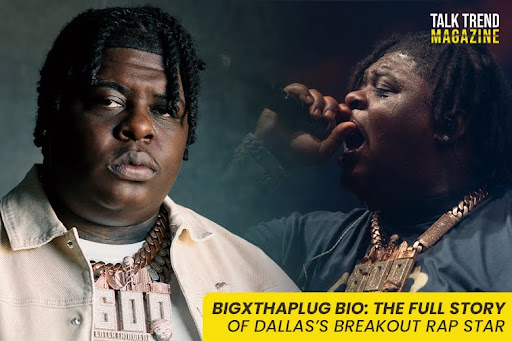
BigXthaPlug is a name that has been spinning up the hip-hop world from Texas to nationwide attention — driven by huge singles, raw storytelling, and a powerful voice that demands attention. Known for blending Southern hip-hop with trap and even cross-genre sounds, BigXthaPlug’s rise from challenging life roots to music success tells fans much more than just another artist’s story. 

In this BigXthaPlug bio, you will find all the key details fans and curious listeners search for: who he is, where he comes from, how he got popular, his age, label ties, producers, biggest songs and albums, touring info, booking cost, and much more.

Quick Facts: BigXthaPlug at a Glance

Stage NameBigXthaPlug
Real NameXavier Landum
BirthdateMay 12, 1998
Age (2026)27 years
BirthplaceDallas, Texas, U.S.
HeightNot officially confirmed (reported ~6’2”)
GenreHip-hop, Southern hip-hop, trap, country rap
LabelUnitedMasters (distribution), Sony Music Publishing (publishing)
Years Active2019–present
Primary GenresRap, Southern Hip-Hop
Notable AlbumsAmar (2023), Take Care (2024), I Hope You’re Happy (2025)

Who Is BigXthaPlug?

BigXthaPlug is an American rapper, songwriter, and record producer from Dallas, Texas, whose booming voice, raw lyrics, and Southern-inspired beats have built him a devoted fanbase going far beyond his home state. Born Xavier Landum on May 12, 1998, he has become known not just for his deep tone and catchy hooks, but for stories in his music that reflect real life — struggles, fight for success, and pride in where he came from.

His songs like “Texas” and “Mmhmm” helped him gain early buzz, and later releases like Take Care and collaborations pushed him further into the national spotlight. 

Early Life and Environment That Shaped BigXthaPlug

BigXthaPlug’s early life played a major role in shaping both his mindset and his music. Growing up in Dallas, he was surrounded by instability and limited opportunities, experiences that would later become central themes in his lyrics. In interviews, he has shared that life around him moved fast and often without guidance, forcing him to mature early and learn through hardship.

Music existed in his world long before it became a career. At first, it was not about fame or success, it was simply something that helped him release emotions and cope with pressure. The sounds he grew up hearing, combined with the realities of his neighborhood, slowly influenced the way he viewed storytelling and expression.

During his teenage years, BigXthaPlug searched for structure and found it through football. Sports gave him discipline, routine, and hope for a different future. For a time, football seemed like his main path forward, offering stability and direction that he did not always have elsewhere.

Football Disqualification and the Turning Point Toward Music

After high school, BigXthaPlug joined a college football program with serious intentions of pursuing the sport long-term. However, that opportunity came to an abrupt end. In interviews, BigXthaPlug has explained that his football career ended after he violated team rules related to marijuana use, which led to his removal from the program.

The removal from the team became a major turning point in his life. Losing football meant losing structure, identity, and the future he believed he was working toward. Without that anchor, his life began to drift, eventually leading him into situations that resulted in legal trouble.

During a later jail sentence — including time spent in solitary confinement — BigXthaPlug began writing lyrics seriously for the first time. With limited outside distractions, writing became a form of mental survival and self-reflection. He has spoken about how those moments forced him to confront his choices and think differently about his future.

When he was released, he carried that focus with him. Instead of attempting to return to football, he committed fully to music, using the lyrics he had written during incarceration as the foundation for his early recordings. That shift marked the true beginning of his rap journey, turning personal setbacks into the motivation that would later fuel his rise in hip-hop.

BigXthaPlug Age, Height, and Weight

Looking at his appearance, one of the most searched facts is BigXthaPlug age, which is 27 years as of 2026, having been born on May 12, 1998.

Details like bigxthaplug height and weight are not confirmed by major official sources, so any figures you see online should be taken with caution. Some sites claim he stands around 6’2” (188 cm), but that is more of an estimate than a verified number.

“BigXthaPlug Concert” Life and Touring

When BigXthaPlug performs live, fans can expect energetic shows filled with crowd participation and the same commanding presence that his music conveys on recordings. A bigxthaplug concert typically showcases his biggest hits along with deep cuts that showcase his life experiences.

Tour dates change often as he grows as an artist, so the best places to check for upcoming performances are his official website and verified ticket platforms. Whether it is headlining a club tour, performing at major festivals, or joining bigger bills, live shows remain an important part of his career momentum.

Who Is BigXthaPlug Signed To?

BigXthaPlug is known to be signed to UnitedMasters, a distribution company that gives artists flexibility and control while helping with distribution and promotion. He is also connected with Sony Music Publishing, which helps manage songwriting rights.

In addition to that, he has started his own imprint called 600 Entertainment, which allows him to work with and elevate other artists.

Who Is BigXthaPlug’s Producer?

In terms of producers, BigXthaPlug has frequently worked with a tight circle who help craft his signature sound. Producers like Bandplay, Tony Coles, and Charley Cooks have been associated with his tracks, giving him that blend of hard-hitting beats and melodic hooks that suit his voice and style.

This consistency in production helps keep his music recognizable, while still evolving as he releases new material.

How Did BigXThaPlug Get Popular?

BigXthaPlug’s rise from local artist to national spotlight was not overnight — but it moved fast once it clicked. His breakout single “Texas” became a regional anthem, helped by strong online reactions and streaming traction. Later, his single Mmhmm” went even further, landing on the Billboard Hot 100, marking his first entry on a major national chart.

What made him stand out was not just beats and hooks, but his story — listeners connected with music rooted in real experience rather than manufactured image. That connection, plus consistent releases and social media buzz, helped turn casual listeners into loyal fans.

How Much Does It Cost to Book BigXThaPlug?

Booking rates for artists like BigXthaPlug can vary widely based on the event type, market size, production costs, and timing. Industry estimates suggest that booking him for a show could range roughly from $150,000 to $300,000 or more, though the final number depends on negotiations, event scale, and specific performance requirements.

Remember that this number is an estimate — artists typically do not publish exact fees publicly, and professionals in event booking confirm that final prices can be higher or lower.

What Are BigXthaPlug’s Most Popular Songs and Albums?

BigXthaPlug has built his catalog steadily, with some songs becoming defining moments in his career. Some of his best-known tracks include “Texas” and “Mmhmm,” both of which have played big roles in his rise.

In addition, songs like All the Way — a crossover hit that reached high positions on Billboard charts — have broadened his appeal even more.

His studio albums include:

  • Amar (2023) – A debut project reflecting his roots and personal story.
  • Take Care (2024) – A platinum-selling, critically impactful sophomore album that solidified his national presence.
  • I Hope You’re Happy (2025) – A major project with notable collaborations that further expanded his audience.

These projects charted on Billboard and attracted attention from both rap fans and crossover country listeners, adding to his growing influence.

BigXthaPlug Net Worth: Estimated Earnings and Financial Growth

Searchers often look up bigxthaplug networth, and while exact figures vary by source, most reputable estimates put him in a comfortable position as an independent artist building wealth through multiple income streams. Many websites estimate his net worth around $1 million to $2 million USD as of 2025, earned through streaming, concerts, merchandise sales, and brand collaborations.

Some estimates vary slightly, with ranges like $600,000 to $1.2 million or even up to around $2–$3 million, depending on which data and revenue streams are included.

His income does not just come from music sales — digital streaming, YouTube revenue, social media growth, and merchandise all help build that total. While he’s not yet reporting celebrity-level earnings like top global stars, he is firmly in the rising artist bracket financially, with continued growth expected as his career expands.

Final Thoughts

From a challenging childhood in Dallas to being one of the most talked-about rappers in Southern hip-hop, BigXthaPlug represents resilience, talent, and grinding for success. Whether fans are curious about bigxthaplug age, bigxthaplug height, his concerts, who he is signed to, or even bigxthaplug networth, this detailed BigXthaPlug bio covers what they want to know in a way that’s easy to understand and rich with verified details.

As he continues touring, collaborating, and pushing his sound into new spaces, his story — and his music — remain ones worth following.

If you have been searching “TimeWarp TaskUs,” you are probably trying to understand one simple idea: how a modern support organization can use artificial intelligence and strong human teams to deliver faster service, better quality, and higher productivity—without making customers feel like they are talking to a robot.

Online, “TimeWarp TaskUs” is commonly described as a cloud-style productivity and customer support approach that blends AI-powered intelligence, real-time data, and operational systems to improve day-to-day work. Many articles explain it as a way to centralize task tracking, time tracking, and performance measurement while also improving customer interactions and response quality.

It is also important to be clear: TaskUs is a real U.S.-headquartered digital services company known for customer experience and related services, and it has publicly discussed major investments in AI, automation, and “agentic AI” approaches for customer experience. So when people say “TimeWarp TaskUs,” they are usually pointing to a TaskUs-style operating model: technology-supported service that still keeps humans at the center.

This guide explains what it is, how it operates, what it can do in real workplaces, and why it is becoming a bigger trend for U.S. businesses in 2026.

What Are TimeWarp TaskUs?

TimeWarp TaskUs is best understood as a modern workflow and customer support system built around speed, clarity, and measurable results. In plain words, it is a way to run support and operations where AI handles repetitive work, systems track performance automatically, and people focus on the hard, high-judgment problems that truly need a human. Articles describing TimeWarp TaskUs highlight its focus on centralizing time tracking, task tracking, performance analysis, and using AI to improve service and operations at scale.

The “TimeWarp” idea is usually explained as serving customers across time zones and channels without delays—so customers get help quickly, and teams work smoothly even if they are distributed across different locations.

If you are a business leader, the core promise is simple: more consistency, faster handling, and fewer workflow gaps—while still aiming for a smooth customer experience.

How Do TimeWarp TaskUs Operate?

TimeWarp TaskUs is described as a combination of layered technology and practical operations. Instead of one “magic AI button,” it operates like a connected system.

First, the platform approach uses data and automation to understand patterns in requests and work habits. This can include machine learning-based task prioritization, natural language processing for common questions, and sentiment detection to help teams understand customer tone in real time.

Second, it relies on operational visibility—meaning leaders and teams can see what is happening now, not days later. That is where Real-time analytics becomes a daily tool instead of a monthly report.

Third, it connects support across channels, so customers can reach you through chat, email, voice, and social platforms without feeling like they are starting over each time. This is often described as comprehensive multi-channel support that protects continuity and reduces customer frustration.

Finally, it includes Workforce management features so work is assigned to the right people based on skills, availability, and urgency. In simple terms: the right task goes to the right person faster.

Core capabilities of TimeWarp TaskUs 

To fulfill the real intent behind “TimeWarp TaskUs,” we need to talk about what businesses actually care about: outcomes.

AI-Driven Automation That Reduces Repetitive Work

TimeWarp TaskUs is commonly described as using AI to handle repetitive customer queries, automate routine steps, and reduce manual handling time—so human agents can focus on complex situations.

A practical workplace example looks like this: customers ask the same billing questions or password reset questions all day. Instead of making humans answer every time, the system can respond instantly, confirm identity steps, and either close the request or route it to a human when needed.

Prompt Responses Via AI- And Faster Routing

“Prompt Responses Via AI-” is essentially the promise that customers should not wait when the question is straightforward. The system uses chatbots or AI-assisted responses to reduce delay, then escalates when the problem becomes unique or sensitive.

A simple example: a customer asks, “Where is my order?” AI can pull shipping status and respond in seconds. If the customer replies, “It arrived damaged and I need a replacement today,” it routes to a human with the history attached.

Real-Time Analytics For Managers And Teams

Instead of guessing what is going wrong, real-time dashboards show workload, response times, quality signals, and bottlenecks. This makes “fixing the system” faster.

Workforce Management And Smarter Staffing

Workforce management is not only scheduling. In the TimeWarp TaskUs model, it is about matching work to skills, forecasting demand, and keeping coverage stable even across time zones and remote teams.

Case-Study Style Signals: Investment And Performance Claims

Some public writeups about TimeWarp TaskUs cite major investment and outcome numbers—for example, one article states TaskUs put $35.2 million into AI and digital transformation capabilities in 2023 and mentions productivity gains like improved handle times and increased ticket capacity.


Since these figures appear in third-party commentary, the safest way to use them in business decisions is as directional signals rather than the only proof. But they do align with TaskUs’ broader public messaging that it is investing heavily in AI solutions and embedding generative AI into offerings.

For a more official example of TaskUs AI direction, TaskUs announced the launch of AssistAI powered by TaskGPT to support its teams and improve performance and efficiency. TaskUs also announced efforts around “agentic AI-powered customer experience,” describing applying agentic AI across channels using partner platforms.

What Are Key Attributes Of TaskUs?

To understand “TimeWarp TaskUs,” it helps to understand what TaskUs is known for as an organization—because the “TimeWarp” model is often framed as a blend of technology and people.

TaskUs describes itself as bringing together “teammates and technology” to elevate support, protect communities, and advance AI. In practical terms, key attributes commonly associated with TaskUs include:

A strong focus on customer experience delivery, global operations that support fast-growing digital brands, and an emphasis on building repeatable processes that can scale. TaskUs has also been publicly vocal that AI will change customer support, but human-centered work remains essential—especially for complex, premium, or sensitive cases.

How TimeWarp TaskUs Uses Artificial Intelligence To Enhance Customer Interactions?

Modern customers do not only want answers—they want answers that feel accurate, consistent, and respectful of their time.

TimeWarp TaskUs is commonly described as using artificial intelligence to make customer interactions faster and more consistent through tools like natural language processing, routing, personalization, and sentiment awareness.

Here is what that looks like in normal life:

When a customer messages through chat, AI can identify what the customer is trying to do, pull relevant knowledge, and recommend the best next response. If the customer is angry or stressed, sentiment signals can alert the human agent or apply a more careful tone.

This is also where AI-powered intelligence becomes more than automation. It becomes decision support: helping agents respond better and managers improve systems faster.

And importantly, real-world AI support is not only chat. Companies increasingly apply AI across voice and digital channels. TaskUs, for instance, has publicly discussed applying agentic AI across digital and voice channels using partner platforms.

Using Human Expertise To Handle Complex Challenges

AI is strong at pattern-based tasks. But when a customer problem becomes emotional, unusual, high-risk, or policy-heavy, humans still win.

The TimeWarp TaskUs approach is often described as a “handoff” model: AI handles routine steps, then humans take over with context already prepared.

Imagine a healthcare billing issue, a potential fraud claim, a safety concern, or a high-value customer asking for special handling. Those situations require judgment, empathy, and sometimes negotiation. TaskUs leadership has publicly described how human work evolves toward more complex, premium support as AI takes repetitive volume.

This is the “best of both worlds” promise: faster for simple issues, more human for hard ones.

How TimeWarp TaskUs Boosts Productivity in The Workplace?

Most productivity talk is vague. TimeWarp TaskUs is usually described in very operational terms: fewer manual steps, clearer priorities, better visibility, and smarter staffing.

It boosts productivity when teams stop switching between too many tools. Instead of one tool for tasks, one for chat, one for performance, one for schedules, you move toward a connected workflow that supports consistent execution.

It boosts productivity when work is prioritized automatically. Instead of a manager manually deciding what is urgent, the system flags deadlines, customer risk, or SLA impact, then routes accordingly.

It boosts productivity when performance is visible through Real-time analytics, so teams can make changes today, not next month.

Also, it boosts productivity when Workforce management improves coverage and reduces overload. The goal is not to push humans harder. It’s to remove waste: repetitive steps, unclear ownership, and slow handoffs.

Why TimeWarp TaskUs Are a Rising Trend For Modern Businesses?

TimeWarp TaskUs is trending because it matches what modern businesses are forced to do in 2026:

They must support customers across many channels, respond faster than ever, and do it with cost discipline—while still protecting quality and trust.

The model is attractive because it aims to deliver a smooth customer experience through comprehensive multi-channel support, fast “first response” through automation, and ongoing improvement through analytics.

It is also rising because TaskUs itself has been publicly pushing deeper into AI. TaskUs launched AssistAI powered by TaskGPT, and has announced initiatives around agentic AI-powered customer experience.

 Even outside marketing language, this signals where serious CX operations are going: AI embedded into the workflow, not bolted on as a separate tool.

Finally, it is rising because companies want the same thing customers want: fewer delays, fewer repeat conversations, and better outcomes.

Final Words

If you searched “TimeWarp TaskUs,” the intent is usually not curiosity—it is a business question: “Can this kind of AI + human support model improve my operations and customer experience?”The clearest answer is that TimeWarp TaskUs represents a modern operating approach where artificial intelligence delivers speed and consistency, AI-powered intelligence supports better decisions, and humans focus on the complex moments that define customer loyalty. When done right, it improves customer interactions, creates a smoother path across channels, enables Prompt Responses Via AI-, and drives better decisions using Real-time analytics and Workforce management.