Jabeen Sahiba

Jabeen Sahiba is a talented content writer known for creating engaging, clear, and informative content across various topics. Her versatile writing style makes her a valuable asset to any project.

Dua Lipa’s name lies among the most influential and famous celebs in the global pop music scene today. From her breakout hits to her unforgettable performances, Dua Lipa bio is full of achievements and experiences that have helped her become a pop icon. She is known for her distinctive sound, which blends modern pop with retro influences. Dua Lipa’s career continues to rise as she inspires millions with her music and entrepreneurial projects.

Early Life and Family

Dua Lipa was born on August 22, 1995, in London, England, to Dukagjin and Anesa Lipa, both originally from Kosovo. The Lipa family fled Kosovo in 1992 during the turmoil of the Bosnian War and sought refuge in London, where they eventually made their home. As a child of immigrants, Dua Lipa’s background has always been a central aspect of her identity, and she embraces her Albanian heritage with pride.

Dua Lipa is the eldest of three siblings, with a younger sister, Rina, and a brother, Gjin. Although the family initially returned to Kosovo when Dua was 11 years old, she made the bold decision to move back to London at just 15 years old to pursue her dreams of becoming a singer. This early independence was pivotal in shaping her career. In London, she attended the prestigious Sylvia Young Theatre School, where she developed her passion for singing and performance.

Singing genes are mostly inherited, the same is the case with Dua Lipa. Her father, Dukagjin, was a musician in Kosovo, and his love for music was passed down to his daughter. This early exposure to music and performance laid the foundation for her eventual success.

Dua Lipa’s Rise to Fame

Dua’s rise to stardom did not happen overnight, but her determination and talent were clear from the beginning. After moving back to London, she worked a variety of jobs, including waiting tables, while she worked tirelessly to establish herself as a singer. Her breakthrough came when she started posting covers of popular songs on YouTube, gaining attention for her powerful voice and unique style.

Her early uploads on SoundCloud also garnered notable attention, which helped her connect with a larger audience. It was not long before Dua Lipa was signed by Warner Bros. Records in 2014, marking the beginning of her professional career in the music industry.

Her debut single, “New Love(2015), though not a major chart hit, helped lay the groundwork for the release of her self-titled debut album in 2017. The real breakthrough came with “Be the One” (2016), which became a hit across Europe and began building her international profile. It was the success of “New Rules“, released in 2017, however, that truly catapulted Dua Lipa into global fame. The song topped the UK charts and became one of her chart-topping hits, dominating playlists and radio stations around the world.

Grammy Awards and Achievements

As Dua Lipa’s career continued to ascend, so did the recognition from the music industry. At the 2019 Grammy Awards, Dua Lipa received the prestigious Best New Artist award, which cemented her status as one of the most promising talents in pop music. She also took home the Best Dance Recording award for her collaboration with Silk City on the track “Electricity.

However, Dua Lipa’s career milestones did not stop there. In 2020, she released her critically acclaimed second album, Future Nostalgia. The album was an instant success, earning her the Grammy Award for Best Pop Vocal Album in 2021. The album’s standout hits, such as “Levitating” and “Don’t Start Now, not only became global hits but also dominated the Billboard Hot 100, solidifying her position in the global pop music scene.

Dua’s ability to blend retro influences with modern pop created a timeless sound that resonates with audiences worldwide. The success of Future Nostalgia marked the beginning of a new chapter in her career, with Dua Lipa gaining recognition as one of the brightest stars of her generation.

Dua Lipa’s Popular Songs and Albums

One of the key reasons for Dua Lipa’s rise to fame is her consistent delivery of catchy songs and critically acclaimed albums. Her debut album, Dua Lipa (2017), introduced the world to her unique sound, blending pop, dance, and R&B influences. The album featured several successful singles, including:

  • New Rules
  • Be the One
  • IDGAF

These tracks quickly became fan favorites and radio staples. “New Rules” especially became an anthem for many, with its empowering lyrics about moving on from a toxic relationship.

Her second album, Future Nostalgia (2020), marked a shift toward a more dance-pop sound, incorporating elements of ‘80s disco and modern electronic music. The album produced several hits, including:

  • Levitating
  • Don’t Start Now
  • Physical
  • Break My Heart

These tracks showcased Dua Lipa’s music career at its peak, with hits dominating charts and streaming platforms. Songs like “Levitating” and “New Rules” have been streamed billions of times, making Dua Lipa’s songs some of the most successful in recent memory.

Collaborations and Other Ventures

In addition to her solo work, Dua Lipa has also become known for her successful collaborations with other artists. She joined forces with Miley Cyrus in 2020 for the track “Prisoner,” which was well received by fans. In 2021, she collaborated with Elton John on the track “Cold Heart (PNAU Remix),” which blended John’s classic hits with a modern twist and reached number one on the Billboard Adult Contemporary charts.

Her collaboration with J Balvin, Bad Bunny, and Tainy on “Un Día (One Day)” also showcased her versatility, with the track blending reggaeton and pop influences. Another major collaboration was with Megan Thee Stallion on “Sweetest Pie” in 2022, which further established Dua Lipa as a cross-genre artist with global appeal.

Outside of music, Dua Lipa is a savvy entrepreneur. In 2022, she launched Service95, a platform that encompasses a weekly newsletter, podcast, and book club, focusing on a wide range of lifestyle topics. Additionally, in 2023, Dua Lipa made her film debut in the highly anticipated Barbie movie, where she portrayed Mermaid Barbie. The movie’s success was accompanied by the release of her song “Dance the Night,” which received widespread praise and earned multiple award nominations.

Conclusion

Dua Lipa’s biography is a story of determination, talent, and global success. From her early years in London to becoming a pop superstar, she has continuously pushed the boundaries of music and culture. With her Grammy Awards, hit albums like Future Nostalgia, and chart-topping hits like Levitating and New Rules, Dua Lipa has proven herself to be one of the leading figures in pop music today.

Her ability to blend various musical influences, her collaborations with some of the biggest names in the industry, and her entrepreneurial ventures have only added to her influence. Whether she’s performing in front of millions of fans or launching new projects, Dua Lipa’s career is only just beginning. As she continues to break records and win hearts around the world, it is clear that Dua Lipa’s life story will remain an inspiration for generations to come.
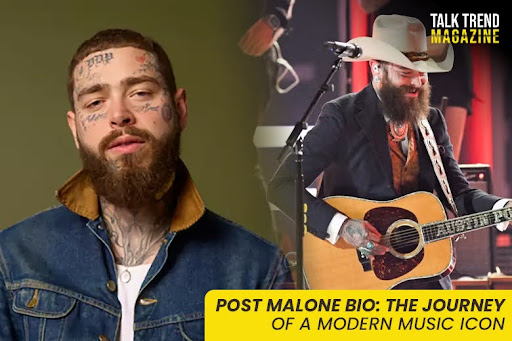
When you think about artists who have shaped the music industry in the last decade, it will be unfair to forget about Post Malone who is known for his unique blend of genres, from rap to pop to country. Post Malone’s music is everywhere, from car radios to parties and streaming playlists. Well, behind all those catchy beats and chart-topping hits lies an incredible journey of talent, strength, and ambition. 

In this article, let us take a deep dive into the life of the most influential artist of this generation, that is, Post Malone’s biography, to learn more about the man behind the music, his rise to fame, and everything in between.

Quick Facts About Post Malone

Full Name: Austin Richard Post

Stage Name: Post Malone

Date of Birth: July 4, 1995

Age: 30 years old (as of 2025)

Height: 6 feets

Hometown: Syracuse, New York, USA

Genres: Rap, Pop, Country, Hip-Hop

Record Label: Republic Records

Notable Hits: “Rockstar,” “Circles,” “White Iverson”

Famous Albums: Stoney, Beerbongs & Bentleys, Hollywood’s Bleeding, Twelve Carat Toothache, Austin, F‑1 Trillion

Collaborations: Taylor Swift, Beyoncé, Morgan Wallen

Net Worth: Estimated at over $45 million

Family: Post Malone has a daughter and keeps his family life private.

Grammy Nominations: Multiple Grammy nominations, with some wins.

Early Life and Career

Post Malone’s journey into music is not a typical one. Born on July 4, 1995, in Syracuse, New York, Post grew up with a love for music. He was not always the star we know today. Well, the truth is, he initially faced several struggles during his early life. His father worked in various roles related to disc jockeying and musical promotion, which gave Post his first taste of music and a deep appreciation for different genres.

But things took a major turn when Post Malone’s family moved to Grapevine, Texas, when he was just nine years old. This move opened up more opportunities for him to focus on music. In his teenage years, Post began playing guitar, and by the time he was in high school, he was already experimenting with his sound. He was very much influenced by artists like Kanye West, Bob Dylan, and Kurt Cobain, he was developing his own unique musical identity that blended rap, rock, and pop into something fresh.

It was at the age of 16 when Post made a big decision – he dropped out of college to pursue his music career full-time. He moved to Los Angeles, where he started recording and sharing his tracks online. He did not even think that this would be the move that would eventually skyrocket him to global fame. His big break came in 2015 with the release of his viral track “White Iverson,” a song that not only introduced his talent but also got the attention of major music labels.

The Rise to Fame: Post Malone’s Music Career

When people talk about Post Malone’s career highlights, one of the first things that comes up is his breakout single “White Iverson.” The song was a tribute to basketball legend Allen Iverson and marked the beginning of his meteoric rise in the industry. It was released in February 2015, and the track quickly went viral, earning millions of views on YouTube and bringing Post into the spotlight.

By 2016, Post Malone signed with Republic Records, and just a few months later, his debut album, Stoney, hit the shelves. The album was packed with hits like “Congratulations

” and “White Iverson,” helping him solidify his place in the industry. But he did not stop there. Post continued to raise the bar with his next albums, Beerbongs & Bentleys (2018), Hollywood’s Bleeding (2019), and Twelve Carat Toothache (2022). Each of these albums had its own distinct sound, blending hip-hop, pop, and even a little country.

But let us talk about those Post Malone hit songs that set the mark. From the anthemic “Rockstar” to the emotionally raw “Circles,” his songs have dominated the charts. “Rockstar,” in particular, became an international smash hit, staying at the top of the charts for several weeks and solidifying Post’s status as one of the biggest names in music.

He kept up the momentum with songs like “Sunflower” (with Swae Lee), which was part of the Spider-Man: Into the Spider-Verse soundtrack, and “Circles,” a song that blended pop and rock elements and became a major hit worldwide.

Post Malone’s Achievements, Milestones, and Awards

Post Malone’s career is full of achievements and awards. From Grammy nominations to record-breaking chart performance, the numbers speak for themselves. He has earned several Grammy nominations, which include nods for Best Pop Duo/Group Performance and Record of the Year. In addition to the Grammy recognition, Post Malone’s albums and singles have dominated the Billboard charts, with his songs frequently topping the charts for weeks on end.

His album Beerbongs & Bentleys shattered records, becoming one of the most-streamed albums in history. On top of that, his collaborations with artists like Beyoncé, Taylor Swift, and Morgan Wallen have only expanded his reach across different genres and fan bases. These collaborations helped Post prove that he is not just a one-trick pony but an artist who is willing to experiment and grow.

In terms of his net worth, Post Malone’s rise to fame has been incredibly lucrative. With an estimated $45 million in earnings, he has solidified his place as one of the wealthiest and most successful artists in the modern music industry.

Personal Life: Family, Fatherhood, and Privacy

Despite his fame, Post Malone keeps much of his personal life private. However, one thing that he has shared with the public is his love for his family. He has a daughter, and he often mentions how fatherhood has changed his perspective on life and music. Though he is still very much a public figure, Post values his privacy and tends to keep his family out of the limelight. This has made him one of the more relatable celebrities in the industry, as he remains down-to-earth despite his massive success.

Post’s fans adore him for his genuine personality, and he has a reputation for being one of the most humble artists in the industry. His down-to-earth nature is a big reason why so many people connect with his music on a deeper level.

Post Malone’s Collaborations: A Star-Studded Network

One of the things that sets Post Malone apart from other artists is his ability to collaborate with a diverse range of musicians. From Taylor Swift to Beyoncé, Post has worked with some of the biggest names in the music industry.

His collaboration with Taylor Swift on the track “Fortnight” was a perfect blend of country and pop, showcasing Post’s versatility. Likewise, his work with Beyoncé on “LEVII’S JEANS” cemented his status as an artist who can cross boundaries and bring together different musical worlds. And let’s not forget his work with Morgan Wallen, which brought country and rap together in a way that only Post Malone could pull off.

These collaborations have not only expanded his fan base but also solidified his reputation as an artist who’s willing to experiment and push boundaries.

The Future of Post Malone

From a kid in Syracuse dreaming of a musical future to a global superstar with millions of fans, Post Malone has come a long way. His journey is a testament to the power of perseverance, passion, and staying true to yourself. As he continues to release new music and evolve as an artist, it’s clear that Post Malone is here to stay. Whether he’s topping the charts, collaborating with legends, or making memories with his daughter, Post’s story is far from over.

So, what’s next for Post Malone? We can only wait to see how he continues to shape the future of music with his unique sound and undeniable talent. For now, we can enjoy his albums, his hits, and all the amazing things he has yet to accomplish.

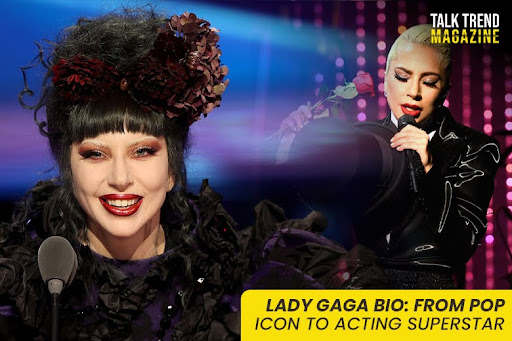
Lady Gaga is, without a doubt, one of the very talented and versatile artists in the world. From her young days as Stefani Joanne Angelina Germanotta to becoming a global pop sensation, Lady Gaga’s journey is nothing short of inspiring. She is famous for her powerful voice, bold fashion choices, and groundbreaking performances. Gaga has successfully captured the hearts of millions around the world. 

In this article, we will take a closer look at her life, career, and achievements that have made her an icon in both the music and acting industries.

Quick Facts About Lady Gaga

Full Name: Stefani Joanne Angelina Germanotta

Born: March 28, 1986, in New York City, USA

Age: 39 years old (as of 2025)

Genres: Pop, Dance-pop, Electronic, Jazz

Known For: Her over-the-top fashion, provocative lyrics, and strong vocal talents

Notable Songs: Just Dance, Bad Romance, Poker Face, Born This Way, Shallow

Major Achievements: Grammy Awards, Academy Award, Golden Globe Award, numerous music awards

Major Collaborations: Tony Bennett, Beyoncé, Bradley Cooper

Lady Gaga is known for her ever-evolving style and artistry, pushing boundaries in music, fashion, and activism. She has built a career that is as adaptable as her talents, which earned her a special place in pop culture history.

Early Life: A Star in the Making

Born and raised in New York City, Stefani Germanotta grew up in a family with Italian-American roots. From a very young age, she was exposed to music and developed a passion for performing. Her parents, Joseph and Cynthia Germanotta, were supportive of her dreams, although they were not in the entertainment business themselves. Stefani’s mother was particularly influential, encouraging her to pursue her musical ambitions.

Stefani attended the prestigious Convent of the Sacred Heart in Manhattan, where she was known for her creative talents. It was here that she began to develop an interest in performing arts, and she eventually went on to study music at Tisch School of the Arts at New York University. However, despite her promising future, Stefani made the bold decision to leave school after two years to fully dedicate herself to her music career.

Family and Personal Life

Lady Gaga has often spoken about the importance of family in her life, particularly her close relationship with her parents. While her family has largely stayed out of the spotlight, they have been a significant source of support for her. Gaga’s father, Joseph, is a successful businessman, while her mother, Cynthia, has been deeply involved in Lady Gaga’s business affairs, even managing aspects of her career early on.

In addition to her immediate family, Gaga has a younger sister named Natali Germanotta, who has worked as a fashion designer and occasionally collaborates with Gaga on various projects.

Lady Gaga has been a strong advocate for LGBTQ+ rights, and her support for the community has been one of the defining elements of her public persona. As a proud bisexual woman, she has used her platform to speak out on issues such as same-sex marriage and gender equality. Her support for LGBTQ+ causes has earned her a loyal fanbase, particularly within the community.

In her personal life, Lady Gaga had several high-profile relationships. She was engaged to actor Taylor Kinney, but they broke off their engagement in 2016. Later, she started dating Christian Carino, but they parted ways. Despite her romantic ups and downs, Gaga has remained focused on her career and activism. In 2020, she started a relationship with Michael Polansky, who is a tech entrepreneur.  They have chosen to keep their relationship fairly low-key

Education and the Beginning of Her Career

Lady Gaga’s education at NYU’s Tisch School of the Arts played a major role in shaping her future. Even though she did not finish her degree, the experiences and skills she gained during this time would lay the foundation for her eventual career. It was at NYU that she developed her passion for performance art, an aspect that would later become one of the defining features of her stage presence.

After dropping out, she started performing in New York City’s downtown clubs and art scenes. She initially performed under her birth name, Stefani Germanotta, but as she began to gain attention, she reinvented herself as Lady Gaga. The name was inspired by the Queen song “Radio Ga Ga,” which reflected her love for theatricality and bold musical statements.

In 2007, she teamed up with Lady Starlight, a performance artist, to create the Ultimate Pop Burlesque Rockshow. This was Gaga’s first step into the limelight, showcasing her unique blend of pop music, fashion design, and provocative performances. Her early days in the New York club scene would ultimately lead to her discovery by Akon, who signed her to his label, Kon Live.

Key Achievements and Milestones

Lady Gaga’s career took off in 2008 with the release of her debut album, The Fame. The album featured some of her biggest hits, including “Just Dance” and “Poker Face, both of which became instant global anthems. “Just Dance” became one of the most-played songs on the radio and an instant club favorite, while “Poker Face” earned her her first Grammy Awards. By the end of 2009, The Fame had sold over eight million copies worldwide, making it one of the most successful albums of the year.

Following the success of “The Fame”, Lady Gaga released The Fame Monster in 2009, which featured hits like “Bad Romance” and “Alejandro”. The album was critically acclaimed and solidified her place as a pop music icon. “Bad Romance” became one of her signature songs, with its unforgettable hook and extravagant music video.

In 2011, Lady Gaga released Born This Way, an album that represented a new chapter in her career. The title track became an anthem for the LGBTQ+ community and is still one of her most recognized songs. The album also featured other hits like “Judas” and “The Edge of Glory.” Her influence on pop music was undeniable, and she continued to break records with every release.

Gaga’s later albums:

  1.  Artpop (2013)
  2. Joanne (2016), 
  3. And Chromatica (2020), further explored her musical versatility. 

While Artpop was considered a commercial disappointment, Chromatica marked her return to her electronic pop roots, receiving praise from both fans and critics alike. Her career has been nothing short of extraordinary, and her impact on both the music industry and pop culture is immeasurable.

Her Unique Performance Art

One of Lady Gaga’s most distinctive qualities is her performance art. She is not just a pop star; she is a fashion icon and theatrical performer who uses her stage shows as a canvas to express her bold, boundary-pushing ideas. From her meat dress at the 2010 MTV Video Music Awards to her avant-garde outfits and shocking performances, Lady Gaga’s visual and artistic concepts have set her apart from other artists.

Her creative team, known as Haus of Gaga, has been instrumental in helping her develop these eccentric and artistic designs. The team has crafted some of her most iconic looks, including her space-age bodysuits, dazzling wigs, and over-the-top fashion choices that have become part of her pop music persona.

Career Transition into Acting

Lady Gaga is mainly known for her pop music career, but she has also found success in the world of acting. Her first major acting role came in American Horror Story: Hotel (2015–16), where she played The Countess, a vampiric character. For her performance, Gaga won a Golden Globe Award, which marked her first major acting accolade.

Her acting career reached new heights in 2018 with her starring role in A Star Is Born, alongside Bradley Cooper. Gaga played Ally, an aspiring singer-songwriter, and her performance earned her an Academy Award nomination for Best Actress. The film’s lead single, “Shallow,” won the Oscar for Best Original Song and went on to become a massive hit.

In 2021, Lady Gaga appeared in House of Gucci, directed by Ridley Scott, where she portrayed Patrizia Reggiani, the woman convicted of orchestrating the murder of her husband, Maurizio Gucci. The performance was critically acclaimed, and Gaga continued to prove her versatility as an actress.

Net Worth and Legacy

As of 2025, Lady Gaga’s net worth is estimated to be around $320 million. Her wealth comes not just from album sales and concert tours, but also from acting roles, brand endorsements, and her fashion ventures. She’s made millions from her music videos, concerts, and endorsement deals with brands like Tiffany & Co., Versace, and Polaroid.

Lady Gaga’s impact on the world of pop music, fashion, and activism is immeasurable. She continues to be an icon for her bold artistic vision and her advocacy for social issues. Whether through her LGBTQ+ rights activism, her bold fashion choices, or her powerful music, Lady Gaga has proven time and time again that she is a force to be reckoned with in both the music and film industries.

Final Words

Lady Gaga’s career is a testament to what happens when raw talent, creative vision, and a fearless attitude collide. From Just Dance to Shallow, she’s continuously pushed the boundaries of what it means to be a pop star, and her influence shows no sign of waning. Whether you are a fan of her music, her fashion, or her acting, Lady Gaga is undoubtedly one of the most unique and influential figures in the entertainment world today.

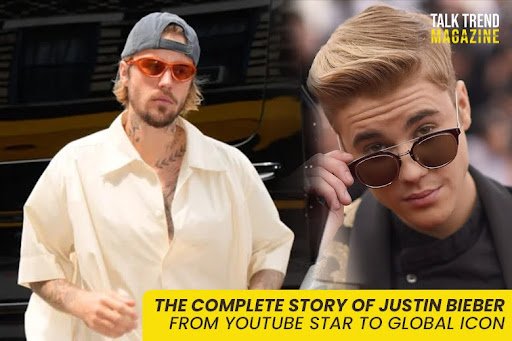
Justin Bieber is one name you just can not escape as a millennial if you are even a little bit into pop culture. Whether you are a longtime fan or someone who has just started to learn about him, there is no denying his journey from a small-town Canadian kid to one of the world’s biggest pop stars. In this article, we will dive deep into his life, career, relationships, and everything else that makes him who he is today. 

So, grab a cup of coffee, and let us walk through the story of Justin Bieber!

Quick Facts: Who is Justin Bieber?

Before we jump into the juicy details, let us set the stage with some quick facts you need to know about Justin Bieber. 

  • He was born on March 1, 1994, in London, Ontario, Canada. That makes him 31 years old today (as of 2025). 
  • Justin is not just a singer, but also a cultural phenomenon, with fans all around the world. 
  • He stands at a height of 5 feet 9 inches.
  • His music has touched millions of hearts globally. 
  • To top it off, Justin is one of the best-selling music artists of all time, with over 150 million records sold worldwide!

A Humble Beginning: Justin’s Early Life

Justin’s story starts in Stratford, a small city in Ontario, Canada, where he was raised by his single mom, Pattie Mallette. Pattie worked tirelessly to provide for Justin. She took on several different jobs. Justin never really knew his father growing up, as his parents separated when he was young. Despite this, Pattie raised him with a lot of love, teaching him to be a hardworking, humble person.

But even with their struggles, Justin’s childhood was filled with music. He was not among those kids who just sat around playing video games all day — oh no, he was always involved in some musical activity, learning to play instruments like piano, drums, and guitar. When Justin was not busy with his instruments, he was out playing sports like soccer and hockey.

As a kid, he entered local talent shows, and even though he did not always win, his incredible voice was impossible to ignore. Pattie uploaded some of his performances to YouTube when he was around 12, and that is when things started to change for him.

From a young age, Justin Bieber was always surrounded by music, and like many of today’s superstars, he started his journey in the music industry as a kid. In fact, just like Taylor Swift, who also began her career at a very young age, Justin quickly caught the attention of the world with his undeniable talent.

The Big Break: From YouTube to the World Stage

Here is where things get interesting. Imagine being just 12 years old, singing for fun on YouTube, and then Scooter Braun, a big-name talent manager, comes across one of your videos. This sounds like a movie scene, but this is exactly what happened to Justin. 

Impressed by his voice, Scooter tracked him down, and just like that, Justin’s journey into the spotlight began. But this was not just a lucky break — Justin had raw talent and an undeniable charm that caught the attention of Usher, one of the biggest names in R&B. Usher helped Justin navigate the tricky world of the music industry and opened doors that led to his big break.

Justin signed his first record deal, and in 2009, he released his first extended play album titled My World. The album featured the smash hit “One Time, and just like that, Justin Bieber became a household name. He was only 15 at the time! But this was just the beginning.

The Rise of a Pop Icon: Albums, Tours, and Major Hits

Now, let us talk about music. Once Justin broke into the scene, there was no stopping him. His first full album, My World 2.0 (2010), introduced us to “Baby, the song that became a worldwide anthem. By now, Justin had proven he was not just a YouTube kid — he was a full-fledged pop star. The song, featuring Ludacris, was an instant hit and topped charts around the world. “Baby” is still one of the most viewed videos on YouTube to this day.

As the years went by, Justin continued to release hit after hit. Here are some of his most famous albums:

Under the Mistletoe (2011) – This was his first Christmas album, and he nailed it. It debuted at number one on the charts, and Justin became the first male artist to ever achieve that with a holiday record.

Believe (2012) – This album showed Justin’s growth as an artist. It featured hits like “Boyfriend” and tracks that went in a more mature, dance-pop direction.

Purpose (2015) – Talk about a game-changer. This album had some of his biggest hits like “Sorry”, “Love Yourself”, and “What Do You Mean?” These songs not only dominated charts but also showcased a new, grown side of Justin’s sound.

Changes (2020) – This was a more personal album, dealing with themes of love, marriage, and self-reflection, especially after his marriage to Hailey Baldwin.

Justice (2021) – With tracks like “Peaches” and “Ghost, Justin continued to show his evolution as an artist.

Each album reflects a new chapter in his life, both musically and personally. From his teen heartthrob days to becoming a mature artist, Justin Bieber’s music has always kept fans on their toes. 

The Bieber Fever: Relationships and Personal Life

We can not talk about Justin without diving into his relationships, because they have definitely made some headlines! One of the most talked-about relationships in pop culture was his on-again, off-again romance with Selena Gomez. The two were constantly in the public eye during their younger years, and their love story captured the hearts of fans everywhere. The drama, the chemistry, the ups and downs, it was a real-life romance many fans followed closely. Though they have both moved on, Selena and Justin will always be linked in the hearts of fans. 

But the love story that stuck was his marriage to Hailey Baldwin Bieber. After months of speculation, Justin and Hailey got married in 2018. They have been through some challenging times but seem to have come out stronger on the other side. In 2024, they welcomed their first child, a son named Jack Blues Bieber.

Justin Bieber’s Net Worth: A Look at His Financial Success

With his successful music career, Justin has racked up quite a fortune. As of 2025, Justin Bieber’s net worth is estimated to be somewhere between $200 million and $300 million. Not bad for a guy who started posting videos on YouTube, right? In addition to his music sales and tours, Justin’s brand partnerships, merchandise, and even his investments contribute to his impressive wealth. 

The Legacy of Justin Bieber: A Global Star

From that small town in Ontario to selling out concerts worldwide, Justin Bieber’s story is nothing short of remarkable. He has been an inspiration for many aspiring musicians and continues to break records, push boundaries, and evolve as an artist. Whether you love his old hits or his new ones, there is no denying the impact he has had on pop culture. He is one of the most influential celebrities of our generation, and his journey is far from over.

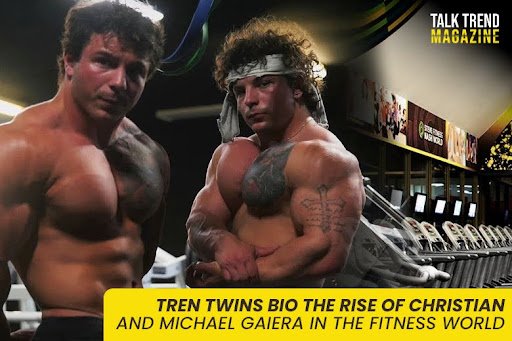
In the world of bodybuilding and fitness influencers, few names have taken the internet by storm quite like the Tren Twins, that is, Christian and Michael Gaiera. These twin brothers have quickly become some of the biggest names in bodybuilding and fitness, and it is easy to see why. From their jaw-dropping muscles to their unfiltered approach to training, they have carved out a space for themselves as true fitness icons. 

Whether you are into bodybuilding, fitness, or just looking for some serious inspiration, you are in the right place. Keep reading, because we are about to take you behind the scenes of their remarkable rise to fame and how they have captured the attention of millions.

Who Are Christian and Michael Gaiera?

Christian and Michael Gaiera, also known as the Tren Twins, are 24-year-old identical twin brothers who have made a name for themselves in the fitness world. Hailing from Clinton Township, Michigan, they were born on April 2, 2001, and they have captured the attention of millions with their larger-than-life personalities, extreme dedication to bodybuilding, and impressive physiques. 

But what makes the Tren Twins stand out is not just their incredible muscle mass, but it is their honesty. The brothers have been incredibly open about their fitness journey, especially when it comes to their use of Trenbolone, a steroid often associated with extreme muscle growth.

Despite the controversy surrounding steroid use, the Tren Twins have earned respect for their transparency, choosing to openly discuss the role performance-enhancing substances have played in their transformation. They have turned this transparency into a massive platform, where they share everything from training sessions to meal plans and personal stories with their growing fanbase.

Early Life and Background: From Football to Bodybuilding

Christian and Michael’s journey did not start in the gym. Like many athletes, they were involved in sports early on, with a particular focus on football. Growing up, they were always active and competitive, but it was not until their high school years that they began shifting their focus toward weight training. It was during this time that they realized they had a real passion for bodybuilding, eventually transitioning from football players to full-time gym enthusiasts.

While the twins’ childhood was marked by sports and activities, their journey was full of challenges. They were adopted and grew up in a Christian foster care home, which provided them with a unique perspective on life. Despite their early hardships, Christian and Michael used their love for fitness to push through adversity, eventually finding a way to turn their passion into a thriving career.

Why Are the Tren Twins Famous?

Tren Twins have become such a hot topic in the fitness world. Christian and Michael Gaiera did not just stumble into fame, but they worked for it. These two are more than just incredibly shredded bodybuilders; they have carved a unique niche for themselves by embracing full transparency about their fitness journey.

So, what made them notice? It all comes down to authenticity. While most influencers tiptoe around the controversial side of bodybuilding, the Tren Twins have always been upfront about using performance-enhancing drugs (PEDs), particularly Trenbolone, the very substance their name is built on. This brutal honesty has resonated with fans, especially in a space where steroid use is often shrouded in secrecy.

But the twins do not just post flexing pics; they are all about education. They have made a name for themselves by sharing not just their workout routines but also their mental struggles, diet hacks, and the real story behind their transformations. 

For Christian and Michael, it is not about showing off their muscles for the ‘gram; it is about guiding others to understand the full picture of bodybuilding. It is the behind-the-scenes content, the mental and emotional insight, and the no-filter approach that really sets them apart.

Their blend of muscle, honesty, and inspiration has attracted a massive following, turning them into icons in the fitness community. It is no wonder that their social media platforms, such as Instagram, YouTube, and TikTok, are filled with thousands of fans eager to learn and be motivated by their journey.

How Tall Are the Tren Twins?

There has been a little confusion around their height, with some fans guessing they are barely 5 feet tall. But in reality, Christian and Michael both stand at 5’7″. Christian loves to joke that he is just a bit taller than Michael, but the difference is so small that it is almost like a friendly rivalry. Their height, paired with their solid muscle mass, gives them a strong, commanding presence in the fitness world, and it certainly helps them stand out, whether in the gym or in the crowded social media space.

How Old Are Christian and Michael Gaiera?

Christian and Michael are 24 years old as of 2026, having been born on April 2, 2001. In the world of bodybuilding, where most athletes begin their journeys at a young age, the Tren Twins have already achieved incredible success by their mid-20s. Their rise to fame has been rapid, with millions of followers hanging on their every post. Their story proves that age does not limit potential; hard work, consistency, and a willingness to share your journey can lead to incredible things.

The Tren Twins’ Training and Diet: How Do They Achieve Their Physiques?

When you see the Tren Twins on social media, you are likely to notice their insane physiques. But muscle does not just appear overnight. It takes dedication, time, and a structured training plan. So how do the Tren Twins maintain their size and strength? It is all about their training and diet, which they have been open about sharing with their followers.

Training

Christian and Michael follow a 5-day split routine, which focuses on different muscle groups each day. Their workouts are focused on compound lifts, such as squats, deadlifts, and bench presses, which work multiple muscle groups simultaneously to build mass. Here’s a breakdown of their typical weekly routine:

Day 1: Chest and Back

Day 2: Back and Biceps

Day 3: Legs

Day 4: Shoulders and Biceps

Day 5: Rest and Recovery

Their training is intense. It lasted anywhere between 60 and 90 minutes, and they train six days a week. The key to their success is not just about lifting heavy weights, though. It is also about rest and recovery, which they believe is just as important as training. After all, muscles do not grow in the gym. They grow during rest.

Diet

To fuel their intense workouts and support muscle recovery, the Tren Twins follow a high-protein, high-carb diet. Protein is crucial for building and repairing muscles, so their meals are packed with lean meats like chicken, fish, and turkey, along with eggs and protein shakes.

They also incorporate plenty of complex carbs, like sweet potatoes, oats, and rice, which provide the energy needed to push through their intense sessions. And let us not forget about fats, healthy fats from avocados, olive oil, and nuts help with overall health and support muscle growth.

Meal prep is a big part of their routine. They know that staying consistent with their diet is just as important as hitting the gym. By prepping their meals in advance, they avoid the temptation of fast food and stay on track with their fitness goals.

Social Media and Online Presence

The Tren Twins are masters at social media. They have built a massive following on Instagram, TikTok, and YouTube (1.99 million subscribers), where they post everything from workout videos and motivational content to behind-the-scenes glimpses of their daily lives. Their TikTok alone has millions of followers, and it is easy to see why. Fans love the brothers’ energy, authenticity, and the insight they provide into the world of bodybuilding.

Christian and Michael are not just fitness stars. They are part of a community. They actively engage with their followers, responding to comments, offering advice, and even creating content based on questions or requests from fans. This level of interaction has helped them build a loyal following that values not just their muscle mass but their genuine connection with their audience.

Tren Twins’ Net Worth: How Do They Make Money?

As their social media presence has grown, so has their income. The Tren Twins’ net worth is estimated to be between $500,000 and $1 million. They make money in several ways, including sponsorships, affiliate marketing, and selling fitness-related products. Their partnerships with fitness brands, supplement companies, and clothing lines provide a significant portion of their income.

Additionally, their YouTube channel and TikTok partnerships generate ad revenue, while their products, including gym clothing and supplements, have also proven to be a solid income stream.

By staying true to their journey and building a solid online community, the Tren Twins have turned their passion for bodybuilding into a thriving business.

Conclusion

The Tren Twins have taken the fitness world by storm. Through their dedication, honesty, and willingness to share every part of their fitness journey, they have earned the respect and admiration of millions. Whether you are looking to learn more about bodybuilding, improve your training, or simply find motivation, the Tren Twins offer plenty of inspiration.

Their rise to fame proves that with hard work, authenticity, and a bit of transparency, anyone can make their mark in the fitness world. And with a strong social media presence and a thriving business behind them, Christian and Michael are just getting started.

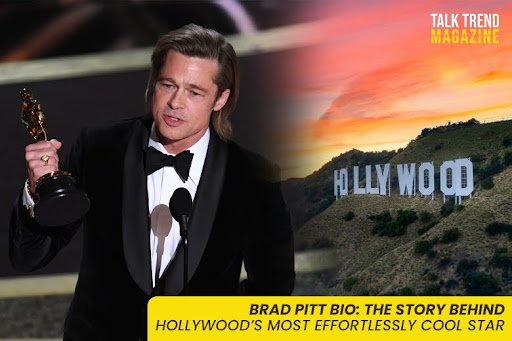
There are movie stars, and then there is Brad Pitt. For more than three decades, his name has floated through Hollywood like a constant—sometimes louder, sometimes quieter, but never really gone. People search for Brad Pitt not just because they want facts, but because they want to understand how one person managed to stay relevant, admired, and endlessly watchable in an industry that replaces faces fast.

Brad Pitt’s story is not about overnight success or perfect choices. It is about timing, curiosity, reinvention, and knowing when to let go of being “the guy everyone stares at” so he can become “the guy everyone respects.”

Let us talk about the real story behind him—the young Brad Pitt, the movie star years, the reinvention, the films we still quote, and yes, the details fans always ask about.

From Missouri to the Movies: Where Brad Pitt Really Came From

Before Hollywood, before red carpets, before paparazzi chaos, Brad Pitt was just a kid growing up in Springfield, Missouri.

He was born William Bradley Pitt on December 18, 1963, in Shawnee, Oklahoma, but Missouri is where he was raised, and it shows. There is something grounded and Midwestern about him that never fully disappeared, no matter how famous he became. His father worked in transportation management, his mother was a school counselor, and life followed a fairly traditional American rhythm.

Brad Pitt went to Kickapoo High School and later studied journalism at the University of Missouri. He was not dreaming of fame as a child star. In fact, he was just two credits short of graduating when he decided to do something completely unreasonable by practical standards, that is to move to Los Angeles and try acting.

It was not glamorous. It was gutsy.

Brad Pitt Young: Before the Fame, Before the Look Became “Iconic”

When people search for Brad Pitt young, they usually picture those early ’90s photos—the abs, the hair, the effortless confidence. But the real young Brad Pitt was hustling hard.

In Los Angeles, he took acting classes and worked random jobs to survive. He chauffeured dancers, delivered furniture, and did whatever paid the bills while auditioning relentlessly. His early roles were blink-and-you-miss-them appearances on TV shows and small movie parts.

What is interesting is that Brad Pitt did not come across as desperate to be famous. He wanted to act. That difference mattered because it shaped the kind of career he eventually built.

The Moment Everything Changed: Thelma & Louise (1991)

Brad Pitt’s role as the charming drifter with a cowboy hat and a grin did not last long on screen, but it lasted forever in pop culture. That performance flipped a switch. Hollywood suddenly saw him as a leading man, and audiences immediately remembered his face.

Instead of riding that attention into safe romantic roles only, Brad Pitt made a surprising move by choosing variety.

Proving He Was More Than a Heartthrob

The early 1990s could have locked Brad Pitt into one type forever. Instead, he zigzagged.

A River Runs Through It showed his quiet, reflective side. Legends of the Fall leaned into epic romance and tragedy. Then came Interview with the Vampire, where he held his own opposite established stars and leaned into darker material.

By the mid-1990s, he was in films that helped shape his reputation: thrillers, dramas, and offbeat character pieces. His career became less about looking good in a frame (though, yes, he did) and more about building range.

A key detail that is easy to miss: Brad Pitt has collected major accolades over the span of his career, including two Academy Awards, two BAFTAs, two Golden Globes, and two Primetime Emmys, among other recognitions. That kind of “spread” only happens when your career is not one-note.

And commercially? His films as a leading actor have grossed over $7.5 billion worldwide, which is a wild statistic when you really sit with it.

Fight Club and the Cultural Reset

There are celebrities who become popular and try to protect that popularity at all costs. Brad Pitt did something else.

Released in 1999, the movie did not dominate the box office at first, but it slowly became one of the most influential films of its generation. Brad Pitt’s Tyler Durden was not just a character; he became a symbol.

What made it special was that Brad Pitt did not protect his image. He played chaos, satire, and contradiction. That role redefined how audiences saw him and gave him the freedom to take even bigger creative risks.

Brad Pitt Best Movies: Why His Filmography Still Hits

Ask ten fans about Brad Pitt’s best movies, and you will get ten slightly different lists, but a few titles always come up.

What makes his filmography fun is that you can basically build your own Brad Pitt starter pack. There is the dark, tension-filled side, movies like Se7en and Fight Club. There is the cool, laid-back charisma in Ocean’s Eleven and the sequels. There is the “he is smarter than the room” energy in Moneyball, where he plays real-life Oakland A’s GM Billy Beane with a kind of quiet pressure that feels so human.

Then there is his biggest commercial win as a leading actor: World War Z. It was a huge global hit and remains one of the most cited “proof” movies that Brad Pitt can open a film worldwide. 

If you like modern Brad Pitt, a good recent stretch includes films like Once Upon a Time in Hollywood (which won him his acting Oscar), plus newer crowd-pleasers like Bullet Train. It was the kind of movie where he knows exactly how funny his own screen persona can be. Rotten Tomatoes’ editorial ranking and recent commentary highlight how his later-career work still gets strong attention. 

And if you want to watch him in “producer mode,” that is its own category.

Reinvention Through Producing: The Plan B Era

Brad Pitt is not only famous for acting. He is also one of Hollywood’s most influential actor-producers through Plan B Entertainment

Plan B has backed films that are not just successful—they have shaped culture. Notably, multiple Plan B films have won the Academy Award for Best Picture, including 12 Years a Slave and Moonlight (and The Departed is also listed among the company’s Best Picture winners). 

This matters because it reframes Brad Pitt as more than a “movie star.” It positions him as someone who helps decide which stories get told, which voices get supported, and which projects get real studio backing.

And yes—12 Years a Slave is part of that legacy. Plan B supported the project, and Brad Pitt is credited as a producer on the film. 

Awards and Legacy: The “Long Game” Career

Brad Pitt has been nominated, praised, memed, adored, criticized, and endlessly analyzed. But what is most impressive is longevity.

Plenty of stars burn bright for five or ten years. Brad Pitt has managed to stay relevant for over three decades—while still shifting his image. He has won an Academy Award for acting for his role in Once Upon a Time in Hollywood, and his producing work has earned top-level industry recognition as well. 

In other words, he did not just survive Hollywood. He learned how to evolve with it.

Brad Pitt Height and That Screen Presence

It may sound like a minor detail, but people genuinely want to know Brad Pitt height, which is about 5 feet 11 inches.

On screen, though, he often feels taller. That comes from posture, confidence, and knowing how to occupy space. He understands stillness—something many actors never master.

Brad Pitt Net Worth: How Big Is the Empire?

Since he has been winning hearts and Hollywood for a long time now, it is not wrong to wonder about Brad Pitt Net worth. Current estimates place his net worth at around $400 million. That wealth comes from acting salaries, backend deals, producing credits, endorsements, and smart real estate investments.

Brad Pitt did not just earn money, he built longevity.

Pop Culture Staples: “Sexiest Man Alive” and the Brad Pitt Effect

Brad Pitt was named People’s “Sexiest Man Alive” twice—first in 1995, and again in 2000. Business Insider notes he was the first man to receive the title twice, and People’s archive references his 2000 cover.

It is not the deepest achievement on his résumé, but it is part of the legend, and it explains why “Brad Pitt young” is still a constant search term.

Love, Fame, and Life Under a Microscope

Brad Pitt’s personal life has been public for so long that many people forget how unusual that level of attention is. His marriages to Jennifer Aniston and later Angelina Jolie were headline news for years, and his role as a father has often been discussed just as publicly.

In recent years, Brad Pitt has taken a quieter approach. He speaks less, chooses projects more carefully, and seems more focused on growth than validation.

That evolution is part of why audiences still care.

Philanthropy: The Make It Right Chapter 

Brad Pitt has also been deeply associated with rebuilding and charitable work, especially after Hurricane Katrina. In 2007, he founded the Make It Right Foundation to help rebuild environmentally friendly homes in New Orleans’ Lower Ninth Ward. 

Over time, that project became complicated and controversial due to reported housing issues and legal disputes involving residents. Some recent reporting has revisited these problems and ongoing legal battles connected to the homes. 

Why Does Brad Pitt Still Matters?

He aged on screen, changed his image, made mistakes, learned from them, and kept moving forward. Younger viewers discover him through Fight Club or Once Upon a Time in Hollywood. Older fans remember the early days. And everyone in between finds something to connect with.

Brad Pitt did not stay famous by accident. He stayed curious. He stayed brave. And he stayed willing to surprise people. That is why, decades later, his name is still being searched—and why it probably always will be.

Living in an apartment has its perks, but small spaces can start to feel cramped fast, especially when clutter, dust, and visual noise build up. The good news is you do not need to knock down walls to make your place feel bigger. With a few smart cleaning habits and some simple layout-friendly tricks, your apartment can feel brighter, lighter, and way more open, almost like a complete home refresh. And if you are juggling work, family, or simply want your weekends back, professional home cleaning services can be a total game changer. A deep, detailed clean resets the whole space and makes every tip below work even better.

Start With the Biggest Space Stealer: Clutter

Clutter is the fastest way to shrink a room, because it blocks sightlines and creates visual “stops” everywhere your eye tries to travel.

Do a quick “flat surface sweep”

Counters, coffee tables, nightstands, and dresser tops should be mostly clear. When these surfaces are crowded, your apartment looks busy even if it is technically clean. Try leaving just one or two intentional items out, like a small plant and a tray.

Use the one minute rule

If something takes less than a minute to put away, do it immediately. Shoes back on the rack, mail into a sorter, mug into the dishwasher. Small actions keep small spaces from spiraling.

Create a “landing zone”

Pick one spot near the entrance for keys, wallet, sunglasses, and mail. When you always drop items in the same place, you avoid the slow spread of stuff across every surface.

Light Makes Space, So Clean Like You Want More Sun

Even tiny apartments can feel airy when light bounces cleanly around the room. Dust and grime quietly absorb light, making rooms look dull and smaller.

Wash windows and wipe frames

Clean glass is underrated. A quick wash, inside and out if possible, makes a noticeable difference. Do not forget the window tracks and frames, because the dark buildup there creates a “boxed in” look.

Dust high to low

Ceiling fans, vents, light fixtures, and the tops of shelves collect dust that drifts down and settles everywhere. Clearing the higher areas first keeps your surfaces cleaner longer.

Swap heavy curtains for lighter options

If your apartment feels dark, heavy drapes can make it feel even smaller. Sheer curtains or light-filtering panels keep privacy while letting in more natural light.

Fun fact: Clean windows can let in noticeably more daylight than dirty ones, which is why bright spaces often start with the glass.

Make Floors Look Wider With Smart Cleaning Moves

Your floor is the largest continuous surface in your apartment. When it looks clean and uninterrupted, the whole space feels bigger.

Keep floors as “open” as possible

Try not to store things directly on the floor. Baskets are fine, but piles are not. The more floor you can see, the more spacious the room feels.

Vacuum slowly and in two directions

A fast vacuum pass leaves behind grit and pet hair that dulls the floor. Go slower, then do a second pass perpendicular to the first. This also lifts carpet fibers so rugs look fuller and cleaner.

Pick the right rug strategy

A rug that is too small makes the room feel chopped up. If you can, use a larger rug that reaches under the front legs of furniture. It creates one “zone” and makes the room feel expanded.

Mirrors, Shine, and Reflection: The Cleaning Trick Most People Skip

You have probably heard that mirrors make rooms feel bigger, but the truth is they only work if they are actually clean.

Clean mirrors and glass weekly

Fingerprints, toothpaste specks, and haze kill the reflective effect. A streak-free mirror is basically a light multiplier.

Polish shiny surfaces

Stainless steel appliances, glossy cabinets, and even a clean faucet catch and reflect light. Take two minutes to buff them and your kitchen instantly looks brighter.

Choose one strong mirror placement

A mirror opposite a window is ideal. It visually doubles the light source and makes your apartment feel less boxed in.

Bathrooms Feel Twice the Size When They Feel “Hotel Clean”

Small bathrooms can feel tight, but a crisp, polished look creates that open, spa-like vibe even in limited square footage.

Focus on three high-impact areas

1. The mirror

2. The sink and faucet

3. The shower walls and door

If these three are spotless, the whole bathroom reads as cleaner and bigger.

Reduce bottle overload

Too many products around the tub and sink creates visual clutter. Keep daily essentials accessible, and stash the rest in a cabinet or caddy.

Fresh towels and a clear counter

One set of clean, neatly folded towels makes the room feel styled, not stuffed. Clear counters also make the bathroom look wider instantly.

The Pro Clean Advantage: Why It Makes Small Spaces Feel Huge

A small apartment is less forgiving than a large home. One dusty baseboard line, one sticky cabinet handle, or one cloudy mirror can make the entire place feel off.

Professional home cleaning services shine here because they handle the details most people miss, and The Cleaning Force in Allen, TX is a great example of the kind of team that can make that difference. Deep cleaning baseboards, corners, grout lines, and high-touch areas removes the subtle grime that makes rooms look smaller and darker. Even a monthly or seasonal professional clean can reset your space, so your day-to-day upkeep stays quick and easy.

Keep the “Bigger Apartment” Feeling With a Simple Rhythm

Once your place feels open, the goal is keeping it that way without spending your life cleaning.

Try a light weekly reset

Pick one day for a 30 to 45 minute refresh: vacuum, wipe surfaces, clean mirrors, and clear clutter. This routine prevents the slow buildup that makes small spaces feel crowded.

Do mini daily habits

A five minute tidy before bed and a quick wipe of kitchen counters after cooking go a long way. Small spaces reward consistency.

Schedule a deeper clean occasionally

If you want your apartment to keep that bright, airy feel without burning out, bringing in professional cleaners every so often can be the easiest upgrade you make. It is like hitting a reset button on your home.

Small apartments can feel surprisingly spacious when they are clean, bright, and visually calm. Start with clutter, boost the light, keep floors open, and let reflective surfaces do the heavy lifting. With a little consistency, and maybe some professional help when you want that next-level finish, your space can feel bigger than its square footage suggests.

A day porter is a cleaning professional who works during business hours to keep a commercial space looking sharp, safe, and guest ready in real time, a role often described clearly by Green Apple Commercial Cleaning DC. Instead of waiting until the end of the day to reset the building, day porter services handle the little messes and surprise situations as they happen, which is exactly why many office and commercial cleaning plans include them. Think of it as having a behind-the-scenes pro who prevents small issues from turning into the kind of “how did this happen by 2 p.m.?” chaos that nobody wants.

A Typical Day Porter Schedule Hour by Hour

Every building runs differently, but most day porter services follow a predictable rhythm that matches foot traffic and the moments when a space takes the biggest beating.

7:00 to 8:30 a.m. Opening reset

Early morning is all about first impressions. The porter checks lobbies, entrances, elevators, and high-touch areas to make sure the building starts clean. They top off restroom supplies, empty any overnight trash, spot clean glass, and do a quick sweep for obvious issues like fingerprints, streaks, or yesterday’s coffee drips.

8:30 to 10:30 a.m. Restrooms and high-touch hotspots

Once employees and visitors arrive, restrooms become priority one. A day porter does quick inspections, wipes high-touch points like door handles and fixtures, and handles small messes immediately. In offices, they also pay attention to shared spaces where germs and crumbs love to gather: breakrooms, copier stations, and conference rooms. Fun fact: The average office desk can carry more bacteria than many toilet seats, mainly because desks are cleaned less often than restrooms.

10:30 a.m. to 12:00 p.m. Common areas and spill response

Late morning is prime time for scuffs and spills, especially around entry mats, hallways, and reception seating. Day porters often rotate through floors, handle spot mopping, and remove visible litter before it spreads. They also respond fast when someone flags a problem, like a tipped plant, a tracked-in mess from rainy weather, or a sticky spot in the lobby that would otherwise sit there until night.

12:00 to 2:00 p.m. Lunch rush support

Midday is when offices quietly generate a surprising amount of mess. A day porter keeps the breakroom from turning into a crime scene by wiping counters, managing trash and recycling, and doing quick table cleanups. They also restock soap, paper products, and sanitizer to keep hygiene standards high during the busiest foot traffic window.

2:00 to 4:00 p.m. Detail touches and “guest-ready” polishing

Afternoons are perfect for the things that make a space feel premium: spot cleaning glass, removing smudges from doors, wiping elevator buttons, tidying lounge areas, and giving restrooms another refresh. This is also when a porter can help set up or reset conference rooms between meetings, which is a small detail that makes an office feel cared for.

4:00 to 6:00 p.m. Pre-close wrap and handoff

As the workday winds down, porters do another pass through common areas, handle trash build-up, and make sure the facility is set up for the evening team or for the next morning if nightly cleaning is lighter. In buildings with both services, this handoff is where day porter and janitorial coverage work together like a relay team.

When Day Porter Services Beat Nightly Janitorial Cleaning

Nightly janitorial cleaning is great for deep resets: vacuuming, full floor care, thorough restroom cleaning, and larger tasks that are best done when the building is quiet. But day porter services shine when cleanliness needs to be continuous, not just once per day. If your building sees steady traffic, hosts clients, or has shared spaces that get used all day, daytime support often wins because it prevents visible grime from piling up.

Best fit scenarios for day porters

Day porter services tend to beat nightly only cleaning when your space has frequent visitors, busy restrooms, food-heavy break areas, or a lobby that acts like a billboard for your professionalism. Fun fact: People form a first impression of a space in just seconds, and a messy entryway or overflowing trash can is a fast way to communicate “we’re not on top of things,” even if your team actually is.

How Day Porters and Professional Commercial Cleaning Work Together

The best commercial and office professional cleaning services rarely treat this as an either-or decision. A day porter is your on-site maintenance and appearance specialist during business hours, while nightly janitorial crews handle the heavier cleaning that takes time, equipment, and empty rooms. When both are coordinated, the building stays consistently clean and the deeper cleaning stays effective because it is not fighting a full day’s worth of buildup.

A simple way to think about the division of labor

Day porters manage what people see and touch all day long, and nightly janitorial teams handle the reset that makes the next day feel fresh. Together, they help protect surfaces, reduce wear, and keep employees and guests comfortable in the space.

Where Carpet Cleaning Fits Into a Smart Day Porter Plan

Carpet is one of those things people notice most when it looks bad and almost never comment on when it looks great, which is exactly why it deserves a planned approach that matches day porter coverage. A strong routine often combines daily spot response with scheduled deep carpet cleaning services that deliver deep care for every type of carpet, especially in commercial corridors, waiting areas, and conference rooms where traffic patterns grind dirt into the fibers. Day porters can handle the immediate stuff: quick blotting of spills, monitoring entry mats, and flagging problem zones before stains set. Then professional carpet cleaning services step in on a schedule to do the heavy lifting: extraction, deeper soil removal, and odor reduction that regular vacuuming cannot achieve. This pairing matters because carpets can hold onto fine dust and allergens, and built-up grit acts like sandpaper that shortens carpet life over time. With the right cadence, your floors stay brighter, your space feels better maintained, and you avoid that slow “dingy creep” that makes an otherwise polished office feel tired.

Choosing the Right Mix for Your Building

The right answer depends on how your facility is used, not just how big it is. If your building needs to look leaving-a-tour-ready at 11 a.m. and still look that way at 3 p.m., day porter services are often the missing piece. If your space is quiet during the day and mostly needs a thorough reset after hours, nightly janitorial might carry more of the workload. Many commercial and office professional cleaning services will help you blend both so you get consistent appearance, safer common areas, and a work environment that feels cared for every hour people are in it.