Jabeen Sahiba

Jabeen Sahiba is a talented content writer known for creating engaging, clear, and informative content across various topics. Her versatile writing style makes her a valuable asset to any project.

If you deal with sneezing fits, itchy eyes, or that annoying “stuffy” feeling that shows up the moment you relax on the couch, your home might be holding onto more dust and dander than you think, according to The White Glove Maid Service. Allergy aware cleaning is not about making everything smell like lemons. It is about removing the tiny irritants that settle into carpets, cling to fabrics, and float back into the air every time you walk by. The good news is that with the right approach, you can make a noticeable difference in how your home feels day to day. And if life is busy, professional home maid cleaning services can be a smart, supportive way to keep things under control with consistency.

Why Dust and Dander Are So Stubborn Indoors

Dust is not just “dirt.” It is a mix of particles like dead skin cells, fabric fibers, soil tracked in from outside, and even tiny bits from insects. Pet dander is even sneakier because it is lightweight and sticky. It clings to upholstery, bedding, and curtains, then gets kicked up again and again.

Fun fact: Dust can contain tiny bits of pollen and other outdoor particles that hitch a ride inside on shoes, clothing, and even your hair.

What makes allergies feel worse at home

A big reason indoor allergies linger is that many triggers build up in soft surfaces. Carpets, rugs, couches, and mattresses act like giant collectors. Add in central heating or air conditioning, and those particles can circulate through rooms more than you would expect.

The “invisible” problem with quick cleaning

A fast tidy might make a room look nice, but it can miss what matters most for allergy relief. Dry dusting, for example, often just moves particles around instead of removing them. That is why allergy aware routines focus on capture and removal rather than spreading and shining.

The Allergy Aware Cleaning Routine That Makes a Difference

A good routine does not have to be extreme. It just needs to be targeted. The goal is to reduce the amount of dust and dander available to become airborne, especially in the rooms where you spend the most time.

Start with high impact surfaces

Begin where allergens gather the most. Floors, rugs, bedding, and upholstered furniture are usually the top offenders. Vacuuming is important, but technique matters. Slow passes help the vacuum do its job, and vacuuming in multiple directions can pull more debris from carpet fibers.

Use damp methods instead of dry dusting

Damp microfiber cloths are your best friend here. They trap dust rather than flicking it into the air. That means fewer particles floating around and fewer “why am I sneezing again?” moments right after you clean.

Wash fabrics on a schedule

Curtains, throw blankets, cushion covers, and pet bedding quietly collect allergens. Washing them regularly can make a bigger difference than people expect, especially during seasonal allergy months when pollen tags along indoors.

Room by Room: Where Allergens Hide the Most

Every home has a few “hot spots” that hold onto triggers. Tackling these areas with intention often delivers the fastest relief.

Bedroom: the allergy reset zone

You spend hours here every night, so it is worth prioritizing. Wash sheets and pillowcases consistently, and do not forget the mattress itself. Vacuuming mattresses and using a washable mattress protector can reduce build up over time.

Fun fact: The average person sheds enough skin cells each day to help feed dust mites, which is one reason bedrooms can become a major allergy zone.

Living room: soft furniture and rugs

Couches and chairs are dander magnets, especially if pets like to lounge with you. Vacuum upholstery with attachments, and consider cleaning under cushions where debris collects. Rugs should be vacuumed on both sides if possible, because dust settles beneath them too.

Entryways: the hidden source of “outside” allergens

If pollen is part of your allergy picture, your entryway is the first line of defense. A good doormat strategy and a quick wipe down of high touch areas can reduce how much ends up spread throughout the home.

Products and Tools That Help Without Overdoing It

You do not need a cabinet full of harsh chemicals to clean for allergies. In fact, strong fragrances can bother sensitive people even if the surfaces look spotless. Choosing simple, effective tools is usually the better move.

Microfiber and HEPA make a strong combo

Microfiber cloths trap particles well, and HEPA filtration in vacuums helps keep fine dust from blowing back into the air. These two upgrades alone can change the feel of cleaning for allergy prone households.

Choose low scent options when you can

Many people assume “fresh” means scented. But allergy aware cleaning leans toward low odor products that rinse clean. If you love a pleasant smell, consider ventilating the home well and using scent sparingly rather than relying on heavy fragrance.

How Professional Home Maid Cleaning Services Support Allergy Sensitive Homes

Keeping allergens down is not a one time event. It is the consistency that matters. That is where professional home maid cleaning services can be especially helpful, because a trained team can follow a structured process that targets the same dust and dander zones week after week, as seen at broomsoverbroome.com site. Professional cleaners are also equipped to handle deep cleaning tasks that often get skipped, like baseboards, vents, ceiling fan blades, behind furniture, and other areas that quietly collect debris. For many households, that regular reset makes it easier to breathe, sleep, and simply enjoy being at home.

Fun fact: Indoor air can sometimes contain more concentrated pollutants than outdoor air, especially in tightly sealed homes where allergens and particles have fewer ways to escape.

Small Habits That Keep Your Home Feeling Better Between Cleans

You do not have to overhaul your life to see results. A few small habits can help maintain that clean, breathable feeling between full cleaning sessions.

Try taking shoes off at the door, brushing pets regularly, and doing quick microfiber wipes on the most used surfaces. If you want one simple habit that pays off fast, it is keeping bedding and pet blankets on a steady wash routine.

Allergy aware cleaning is really about comfort. When dust and dander are under control, your home feels calmer, lighter, and easier to live in. Whether you do it yourself or lean on professional home maid cleaning services for support, the payoff is the same: you get to breathe easier in the place that should feel best.


A garage door is one of those everyday essentials you only notice when it stops working. It protects your home, helps with energy efficiency, and can even boost curb appeal more than many people realize, which is why the dlouhy garage doors of san diego website can be a helpful reference when you’re comparing options and want a clearer sense of what’s available. Whether you’re planning a brand-new garage door installation or you need fast repairs, knowing what to expect makes the whole process smoother and a lot less stressful.

Why Professional Installation Matters More Than You Think

A garage door looks simple on the outside, but the system behind it is a mix of heavy panels, precise tracks, high-tension springs, and safety sensors that all need to work together. When installation is done correctly, the door runs quietly, seals properly, and lasts longer with fewer breakdowns. Done poorly, it can become noisy, uneven, unsafe, and expensive.

Correct sizing and a proper fit

One of the biggest issues with DIY installs or rushed work is a door that does not sit square in the opening. Even a small misalignment can cause rubbing, gaps, or strain on the opener. A pro will measure the opening, confirm headroom and side room, and make sure the door balance is right before calling it finished.

The right hardware for the job

Not all tracks, rollers, hinges, and springs are interchangeable. A good installer matches the hardware to the door’s weight and usage level. That matters if you use your garage as the main entrance, or if you want a heavier insulated door for better temperature control.

Safer spring setup

Torsion and extension springs store serious energy. Setting spring tension correctly is a safety and performance issue, not a minor detail. A properly installed spring system helps your door feel light to lift and reduces strain on the opener.

Common Garage Door Repairs and What They Usually Mean

Garage doors tend to “tell you” something is wrong before they fully fail. Strange noises, uneven movement, or a door that hesitates can all be early warning signs. Repairs are often straightforward when handled early, but ignoring the symptoms usually turns a small fix into a bigger one.

Broken springs

If you hear a loud snap and the door suddenly feels too heavy to lift, a spring may have broken. This is one of the most common repairs, and it is also one of the most dangerous to attempt without proper tools and experience.

Worn rollers and noisy operation

Grinding, squealing, or rattling often points to rollers that are worn, dry, or damaged. Replacing rollers can dramatically quiet a door and improve smoothness. It also reduces wear on the track and hinges.

Off-track doors

A door that looks crooked or gets stuck partway could be off-track. This can happen from an impact, a loose track bracket, or worn components. Continuing to run the opener can bend tracks and make the repair more complicated.

Sensor and opener issues

If the door reverses unexpectedly or refuses to close, the safety sensors may be misaligned or blocked. Sometimes it is a simple adjustment. Other times it points to wiring issues, a failing opener logic board, or a worn gear inside the motor housing.

What to Expect During a Service Call

A good service visit should feel organized, transparent, and practical. You should come away understanding what failed, why it failed, and what options you have.

Inspection first, then clear recommendations

Most technicians start with a full system check: springs, cables, rollers, tracks, hinges, opener force settings, and the door balance. From there, they can separate what is urgent from what can wait. That matters because not every worn part needs replacing today.

Realistic timelines and testing

After repairs or installation, the door should be tested multiple times. That includes checking smooth travel, confirming the safety reverse feature, and ensuring the door seals evenly at the bottom.

Clean-up and small adjustments that make a big difference

The best service calls include the little things: tightening loose hardware, lubricating the right points, and tuning the opener settings. Those details are often what turn a “fixed” door into a door that feels brand new.

Choosing the Right Door: Style, Strength, and Comfort

A garage door is a big visual feature, but it’s also a functional piece of equipment you rely on daily, and radfordgaragedoor.com can give you a quick sense of the styles and setups people commonly choose. When choosing a new door, think beyond looks.

Insulated vs. non-insulated

If your garage shares a wall with living space, insulation can help with comfort and noise reduction. Insulated doors can also feel sturdier and may reduce rattling during operation.

Material options

Steel is popular for durability and low maintenance. Wood can look amazing but needs more upkeep. Composite and aluminum options can be great for certain climates and modern styles. The best choice depends on weather, budget, and how much maintenance you want to deal with.

Windows and hardware accents

Small design choices can make a big difference. Windows add light. Decorative handles and hinges can add charm. Just make sure any windows are placed with privacy and security in mind.

Fun fact: Modern garage doors are often the largest moving object in a home, which is one reason the safety systems and spring balance matter so much.

Simple Maintenance That Prevents Surprise Breakdowns

You don’t need a long checklist to keep a garage door in good shape. A few habits can extend the life of your system and help you spot problems early.

Listen to your door

A door that suddenly gets louder, moves unevenly, or shakes is asking for attention. Catching that early can prevent bigger repairs later.

Keep moving parts lightly lubricated

A small amount of garage-door-safe lubricant on hinges, rollers (if appropriate), and springs can reduce noise and friction. Avoid heavy grease that attracts dirt.

Test the balance and safety features

If your door feels heavy or won’t stay halfway open when disconnected from the opener, the balance may be off. Also test the auto-reverse feature occasionally to confirm the safety system is working properly.

When It’s Time to Repair vs. Replace

Sometimes a repair is clearly the best move. Other times, replacement is the smarter long-term choice. The decision usually comes down to age, cost, and how often the door has been failing.

If your door is newer and the issue is isolated, like a spring, roller set, or sensor alignment, repairs typically make sense. If the door is older, heavily dented, or has repeated issues with multiple components, replacing it can save money and frustration over time. A new door can also refresh the look of your home in a way that feels surprisingly impactful.

Garage door installation and repair services are not just about getting the door to open and close again. They’re about safety, reliability, and the kind of smooth operation you should be able to forget about, because it simply works. When you invest in proper installation and timely repairs, your garage door becomes what it should be: quiet, secure, and dependable day after day.

A roof is more than the top layer of your house. It is the system that manages water, wind, heat, and ventilation all at once, and it only works well when every piece works together, which is why many homeowners rely on top-rated roofers in Portland when they want the details handled correctly. Whether you are planning a full replacement or you are dealing with a sudden leak, the goal is the same: build or restore a roof that stays dry, stays stable, and stays efficient year after year.

What “roof installation” really includes

A proper installation is not just laying shingles. It usually involves removing old materials, inspecting the deck, replacing damaged sections, installing underlayment, flashing the vulnerable edges and joints, and finishing with ridge ventilation. The quality of these details matters as much as the material you choose, because most roof failures start where surfaces meet.

Choosing materials that fit your home and your habits

Asphalt shingles are popular because they are cost-effective and come in many styles, while metal roofing can offer long service life and strong weather resistance. Tile and slate can be stunning and durable, but they are heavier and may require structural considerations. The best choice is the one that fits your budget, your home’s design, and how long you plan to stay.

Warning Signs Your Roof Is Asking for Help

A roof rarely fails without giving you clues first. The trick is noticing the hints before they become a ceiling stain or a soggy insulation problem. If you keep an eye on a few telltale signs, you can often repair issues early and avoid a full replacement.

Exterior signs you can spot from the ground

Look for missing or curling shingles, dark streaks that do not wash away, sagging rooflines, or granules collecting near downspouts. Damaged flashing around chimneys and vents is another common culprit, especially after big storms or high winds.

Interior signs that should never be ignored

Inside, water stains on ceilings, damp attic insulation, musty smells, and peeling paint near the roofline can all point to moisture getting in. If you notice daylight through the attic roof boards, that is a loud alarm, even if you have not seen water yet.

Repairs That Matter Most

Not every issue requires major work, but the right repair in the right place can add years to a roof’s life. The key is accurate diagnosis, because treating the symptom instead of the source wastes time and money.

Leak repairs: why the drip is rarely the entry point

Water can travel along rafters and underlayment before it shows up inside, so the visible drip may be several feet away from where it entered. A careful inspection looks for damaged shingles, lifted flashing, compromised sealant, or clogged drainage areas that push water where it should not go.

Flashing, vents, and valleys: the “weak links”

Roof valleys and penetrations handle a lot of water flow and movement, so they need extra attention. Replacing cracked vent boots, resealing around penetrations, and repairing valley materials are common fixes that can prevent repeat problems.

Gutter Cleaning and Why Your Roof Cares

Your roof and gutters work as a team, and when the gutters are neglected, the roof often pays the price, so having a reliable roofing team you can reach quickly, 619roofing.com, can make it easier to catch small issues before they turn into bigger repairs. Rain gutter cleaning is not glamorous, but it is one of the simplest ways to protect shingles, fascia boards, and even the foundation. When leaves and debris build up, water can back up and spill over the edges, soaking areas that were never designed to stay wet. That overflow can lead to rotting wood, stained siding, and ice buildup in cold months, which can pry up shingles and stress the roof’s edge. Clean gutters also reduce the chances of water pooling near the home and sneaking into crawl spaces or basements. A practical routine is to check them during heavy leaf seasons and after big storms, because one surprise clog can cause more damage than you would expect. If you see plants growing in the gutter, that is not just funny, it means you have the start of a miniature garden that is holding moisture against your home.

Installation Quality: The Details That Separate “Good” From “Great”

A roof can look perfect on day one and still be poorly installed underneath. What you do not see is usually what determines whether it lasts. The best installations focus on airflow, waterproofing layers, and correct fastening, not just neat lines of shingles.

Ventilation and insulation are part of the roof system

Without proper ventilation, heat and moisture can build up in the attic, which can shorten the life of roofing materials and encourage mold. Balanced intake and exhaust ventilation helps regulate temperature, supports energy efficiency, and reduces stress on the roof structure.

Underlayment and drip edges do heavy lifting

Underlayment provides a second line of defense against moisture, especially in wind-driven rain. Drip edges guide water into gutters and away from wood components. These are small elements with big consequences when skipped or installed incorrectly.

Smart Maintenance That Extends Roof Life

The best roof repair is often the one you never need. Simple maintenance habits make a real difference, and they do not require you to become a roofing expert. A seasonal inspection, quick fixes after storms, and keeping drainage clear can keep small issues from becoming expensive emergencies.

A simple checklist to follow seasonally

Walk around your home and look for changes: loose materials, debris in valleys, and damaged flashing. Check the attic after heavy rain for damp spots. If something looks off, address it early while the repair is still straightforward.

Fun fact: roofs have been protecting humans for thousands of years

Some of the earliest known roofs used layered thatch and clay, and the basic idea has stayed the same: shed water fast, manage heat, and keep the structure dry. Modern materials have evolved, but the roof’s job description is still surprisingly old-school.

When It’s Time to Repair vs Replace

Deciding between repair and replacement depends on the roof’s age, the spread of damage, and how often issues keep coming back. If problems are isolated and the rest of the roof is in good condition, repairs can be a smart move. If damage is widespread, materials are near the end of their lifespan, or you have recurring leaks in multiple areas, replacement may be the more cost-effective and stress-free option long term.

If you want, I can also write a meta description and a short FAQ section to match the article without adding fluff or keyword stuffing.

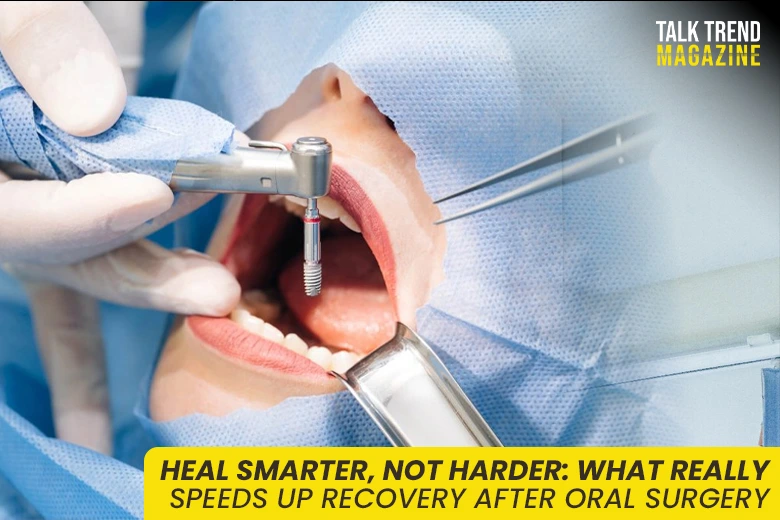
Oral surgery can feel intimidating, but recovery does not have to be. Whether you are healing from a tooth extraction or a full-arch implant procedure performed to the level of expertise reflected at premieroralnfacialsurgery.com, the way you care for yourself afterward plays a huge role in how fast and comfortably you recover. Oral surgeons often say that most setbacks happen not during surgery, but in the days that follow. Understanding what truly helps the body heal can make the entire process smoother and even a little less stressful.

1. Give Your Body Permission to Rest

Rest is not laziness after surgery, it is part of treatment. Your body redirects energy toward repairing tissue and reducing inflammation, and that requires downtime. For the first few days, limit physical activity and avoid bending, lifting, or anything that raises your heart rate too much. Even talking excessively can increase swelling. Many patients are surprised to learn that overdoing it early on can extend recovery by weeks rather than days.

2. Swelling Is Normal, Panic Is Not

Swelling often peaks around the second or third day after surgery. This is expected and temporary. Cold compresses during the first 24 to 48 hours can significantly reduce inflammation and discomfort. Keeping your head elevated while sleeping also helps. If swelling appears uneven or lasts longer than expected, checking in with your provider is always better than guessing.

3. Eat for Healing, Not for Convenience

Your mouth needs calm, not chaos. Soft foods protect surgical sites while still fueling your body with nutrients. Protein is especially important for tissue repair, even if it comes from shakes or blended meals. Crunchy, spicy, or extremely hot foods can disrupt healing tissue and cause unnecessary irritation. Slowly reintroducing textures is safer than rushing back to normal eating.

4. Gentle Hygiene Makes a Big Difference

Clean does not mean aggressive. Light brushing away from surgical areas and gentle rinsing help keep bacteria under control without disturbing healing tissue. Saltwater rinses are often recommended because they are effective yet soothing. Skipping oral hygiene entirely can increase infection risk, but being too forceful can do the same.

5. Hydration Supports Every Healing System

Water helps regulate inflammation, transport nutrients, and flush waste from the body. Dehydration can increase discomfort and slow tissue repair. Avoid alcohol and smoking during recovery, as both restrict blood flow and interfere with healing.

Fun fact: Smoking can reduce implant success rates significantly by limiting oxygen delivery to the bone.

6. Follow-Up Appointments Are Not Optional

Healing is not one-size-fits-all. Follow-up visits allow your surgeon to monitor progress, catch small issues early, and guide you safely into the next phase of recovery. Many complications can be prevented simply by showing up and asking questions.

7. Healing Is a Process, Not a Race

Bone healing and implant integration take time. Even when discomfort fades, your body is still working beneath the surface. Understanding that healing continues for months helps set realistic expectations and reduces frustration.

Some patients undergoing advanced full-arch implant treatment are guided through a highly structured recovery process that emphasizes education, preparation, and long-term success, built around expert care for complex oral needs from the earliest planning stages onward. From initial planning to post-surgical care, the focus is placed on stability, comfort, and proper healing rather than speed alone. Patients are often supported with detailed recovery instructions, nutritional guidance, and carefully timed follow-ups to ensure implants integrate securely with the jawbone. Temporary teeth allow for function and confidence while the underlying bone heals, creating a balance between immediate improvement and lasting results. This approach highlights how thoughtful recovery planning can significantly influence both comfort and long-term outcomes.

Recovery after oral surgery is not about doing everything perfectly, but about doing the important things consistently. Rest, patience, and smart aftercare can turn a challenging experience into a manageable one and help protect your results for years to come.

Most air conditioners do not fail out of nowhere. They drop hints for months, sometimes years, and the earlier you notice the pattern, the easier it is to avoid a hot-house emergency and an expensive rush decision. If your system is older, louder, and less reliable than it used to be, it might be running on borrowed time, and a quick check with vikingair.net can help you figure out whether you are looking at a repair that makes sense or a replacement that will save you stress later.

The Age Question and Why It Matters

Age is not the only factor, but it is the easiest place to start because wear adds up quietly. Even a system that “still runs” can be past the point where it runs efficiently, comfortably, or safely.

Your unit is getting up there in years

Many systems begin to show end-of-life behavior as major components wear down, seals loosen, and coils collect buildup that never fully comes off. If your AC is well into its later years and you are seeing new issues each season, replacing it can be more predictable than trying to keep patching it.

You have changed the home but not the system

Finished basements, new windows, a remodeled attic, or added rooms can change how much cooling you need. An older system that was once “fine” might now be undersized or badly matched to the space.

Key Warning Signs Your Cooling System Is Near the End

Warning signs usually show up in clusters, not as a single weird day. If you recognize several of these at once, it is often a strong signal that replacement deserves a serious look.

Your bills rise even when habits stay the same

When your energy cost creeps up year over year, the system may be losing efficiency. Worn motors, dirty coils, low refrigerant, and failing capacitors all force the unit to work harder for the same comfort.

Your home cools unevenly

Hot spots in certain rooms can point to airflow problems, duct leaks, failing blowers, or a system that cannot keep up. If you are constantly adjusting vents or arguing over the thermostat, the equipment might be struggling to distribute air evenly.

You hear new noises that make you pause

Rattling can mean loose parts. Grinding can point to motor or bearing trouble. Screeching can be belt or blower related. A healthy system is not silent, but it should not sound like it is fighting for its life.

Humidity feels sticky even when the temperature is low

A working AC removes moisture as it cools. If the air feels clammy, you may be dealing with short cycling, poor airflow, or a unit that is no longer controlling humidity the way it should.

Fun fact: Your AC does not just cool the air, it also “wrings out” moisture, which is why a properly running system can make the same temperature feel noticeably more comfortable.

Your system runs nonstop or turns on and off too often

Constant running often means the system cannot meet demand. Rapid on-off cycling can be caused by oversizing, thermostat issues, restricted airflow, or failing components. Either way, it adds wear and can shorten lifespan fast.

Repairs are becoming a routine event

One repair every few years is normal. Several repairs in a single season is not. When repair costs keep stacking, you are usually paying to delay an inevitable replacement, not avoiding it.

Weak airflow from vents

If the air coming out feels faint, the issue could be clogged filters, duct problems, a dirty coil, or a blower that is losing strength. Weak airflow makes everything else worse, from comfort to humidity control.

Repair vs Replace a Practical Way to Decide

The best decision is rarely emotional. It is about risk, comfort, and long-term cost. A good technician can test electrical components, check refrigerant conditions, measure airflow, and inspect ducts so you are not guessing.

Here is a simple way to think about it:

● If the unit is older and a major part fails, compare that repair cost to the value of a new system.

● If comfort issues are frequent and spreading to more rooms, replacement usually delivers a bigger quality-of-life improvement than another repair.

● If you plan to stay in the home for years, efficiency and reliability matter more than squeezing out one last season.

What a Smart Replacement Includes

A replacement should feel like an upgrade, not a repeat of the same problems. The best results come from a full-service HVAC team that handles more than just swapping equipment.

That kind of team typically covers professional AC installation and replacement, fast repairs, seasonal maintenance, and tune-ups that keep performance stable. They also look beyond the outdoor unit by addressing duct cleaning, duct repairs, and even duct installation when airflow problems are rooted in the system layout. If your home is a better fit for a heat pump or a mini split setup, having those options on the table can prevent you from overbuying or underbuying.

Fun fact: A surprising amount of comfort complaints come from airflow issues, not “bad equipment,” which is why duct condition and sizing matter so much when you replace a system.

Need Cooling with No Downtime Consider a Temporary Chiller

Sometimes replacement or major repairs cannot happen instantly, and you still need reliable cooling for people, equipment, or operations. In those situations, portable chiller rental units can be a practical bridge that keeps temperatures stable while you finalize repairs or install a permanent solution, and the same kind of stopgap mindset often applies to portable heating solutions for businesses when temperatures swing the other way. Rentals are often available for short or extended terms, and the provider typically helps size the chiller to your load, delivers the equipment, sets it up, and removes it when you are done. This approach is common for emergency breakdowns, planned shutdowns, special events, process cooling, and temporary capacity during peak demand. It can also reduce risk when you are waiting on parts or coordinating a larger HVAC upgrade, because you are not forced into a rushed purchase just to get through the week. When cooling continuity is critical, a temporary chiller can buy you time and breathing room without sacrificing performance.

How to Make Your Next System Last Longer

Once you replace your old AC, protect your investment from day one. Small habits add up, and they keep your new system closer to its best performance.

Change filters on schedule, keep the outdoor unit clear, and schedule routine maintenance so small issues do not grow into expensive repairs. If you have dust issues, allergy concerns, or rooms that never feel right, ask for an airflow and duct inspection too. When the whole system is working together, the equipment runs less, lasts longer, and keeps your home comfortable without drama.

Beyoncé is one of the most influential artists of her generation. She is a performer whose impact reaches far beyond music charts and award shows. From her early days in Houston to record-breaking Grammy wins and sold-out world tours, her journey reflects talent shaped by discipline, vision, and creative control. Over the years, she has evolved from a group standout into a global icon who defines what modern superstardom looks like.

This bio covers the details about your favorite singer you may be looking for, like Beyonce’s age, early life, the full Destiny’s Child story, her solo albums and biggest songs, net worth, and her acting career, in short, all about her.

Beyonce Age And Quick Background

Beyoncé’s full name is Beyoncé Giselle Knowles-Carter. She was born on September 4, 1981, in Houston, Texas, which means she is 44 years old as of January 2026. 

For decades, she has stayed at the top by evolving. She does not just “release music.” She builds eras—albums that feel like complete worlds, with visuals, themes, and performances that turn into events.

Early Life: Houston Roots And Early Talent

Beyoncé grew up in Houston, and her talent showed early. Her mother, Tina Knowles, was a hairdresser and owned a salon, and Beyoncé spent time there as a child. She watched people, learned confidence, and even did small tasks like sweeping hair. Those early spaces mattered because they helped her get comfortable performing and being seen. 

She trained hard, too. Even as a kid, she was not only “gifted,” she practiced. That is a huge part of her story: the voice is natural, but the excellence is built.

The Role of Her Parents in Her Success

A big part of Beyoncé’s origin story includes her parents’ support and structure. Tina Knowles helped shape Beyoncé’s look and presentation in those early years, and she has often been credited for being a steady creative influence. Mathew Knowles, Beyoncé’s father, managed Destiny’s Child for years and handled major business decisions as the group rose. 

Over time, Beyoncé became known for taking tighter control of her own career and creative direction. That shift, moving from being guided to leading the whole operation is one reason her career has lasted and grown so powerfully. 

Destiny’s Child: The Whole Story, Disbanding, and Reunions

Before the solo superstardom, Beyoncé became famous as part of Destiny’s Child, one of the best-selling girl groups of all time. Their music mixed confidence, heartbreak, and independence in a way that defined late ’90s and early 2000s R&B/pop. 

Their journey was not always smooth. The group went through lineup changes early on, and they faced intense public attention while still very young. But they also created a legendary run of hits and albums, and their final trio lineup—Beyoncé, Kelly Rowland, and Michelle Williams—became the lineup most people remember as “Destiny’s Child.” 

The group’s ending is actually one of the more mature “break-up” stories in pop history. During their tour era, they made it clear they wanted to leave on a high note. Destiny’s Child announced plans to separate during the 2005 tour, and the group officially disbanded in 2006, with farewell performances around that period. 

After disbanding, they did not cut ties. They reunited for major moments that felt like gifts to fans, not forced comebacks. The famous reunions include the 2013 Super Bowl halftime show and the iconic Coachella 2018 reunion, when Beyoncé brought Kelly and Michelle out during her headline performance. 

As of today, Destiny’s Child is not an active recording or touring group. There has been no official announcement of a full comeback or new album. But Beyoncé, Kelly Rowland, and Michelle Williams remain publicly supportive of one another and reunite for special moments. Their relationship today is best described as a legacy group, which is no longer active, but still united when the moment feels meaningful. 

Solo Career: Beyoncé’s Albums and Her Major Eras

Beyoncé’s solo career started when Destiny’s Child was still active, but her solo identity became unstoppable fast. Her first solo album, Dangerously in Love (2003), helped establish her as more than “the lead singer of a group.” It was a true superstar launch. 

From there, her albums became time markers. She moved through pop, R&B, and stadium-sized anthems, then later shifted into deeper storytelling and bigger creative risks. Any detailed Beyoncé bio would be incomplete without highlighting how each album represents a new phase of growth rather than a repeat of past success.

Her major solo studio albums include:

1. Dangerously in Love

2. B’Day

3. I Am… Sasha Fierce

4. 4

5. Beyoncé

6. Lemonade

7. Renaissance

8. Cowboy Carter 

There is also something important about how she releases projects. Beyoncé helped change modern music culture with surprise drops and visual storytelling. She made albums feel like full experiences, not just collections of singles.

Her Albums and Hit Songs: The Tracks That Defined Each Era

Beyoncé has so many hits that any list will feel incomplete, but some songs are simply part of pop history. “Crazy in Love” is one of her signature early solo songs. “Irreplaceable” became a breakup anthem that lived everywhere. “Halo” became a universal emotional staple. “Single Ladies (Put a Ring on It)” was not just a hit—it became a cultural moment with choreography everyone recognized.

Then there are songs that represent her more “album storytelling” years, when the track is tied to a larger message. That is one reason Beyoncé is respected not only as a vocalist and performer, but as a full project-builder.

Beyoncé As The Most GRAMMY-Winning Artist

This is one of the biggest reasons people look up a Beyoncé bio because her awards history is historic. According to the Recording Academy’s official GRAMMY profile, as of the 2025 GRAMMYs, Beyoncé has 35 GRAMMY wins and 99 nominations, which makes her the most-awarded and most-nominated artist in GRAMMY history. 

That record matters because it reflects longevity. Beyoncé did not win big once and fade. She kept winning across decades, across styles, and across eras—group work, solo work, collaborations, and reinventions.

Certain GRAMMY years stand out in pop culture history, especially 2018, a year remembered for major wins across the industry. That same ceremony marked a dominant night for Bruno Mars, who won Album of the Year for 24K Magic at the 60th GRAMMY Awards. 

Cowboy Carter: The Album That Sparked a Big Conversation

Beyoncé’s Cowboy Carter arrived on March 29, 2024, and it quickly became one of the most talked-about releases of the decade. What made it huge was not only the sound. The album became a statement about American music history and the often overlooked contributions of Black artists to country and Americana traditions. The project felt bold, layered, and intentional. It was exactly the kind of move Beyoncé is known for when she shifts direction.

At the 2025 GRAMMY Awards, Beyoncé won Album of the Year for Cowboy Carter, and the Associated Press reported it was her first win in that category and a major cultural milestone. 

The Renaissance Era and the Renaissance World Tour

If Cowboy Carter showed Beyoncé pushing into Americana and country space, Renaissance was her full celebration of dance music, joy, and club culture. The era became even bigger once the tour started.

Beyoncé’s Renaissance World Tour ran from May 10, 2023, to October 1, 2023, and it was widely reported as a massive financial and cultural success. Forbes reported the tour brought in $579 million

For fans, the Renaissance tour felt like a world of its own. It was not just singing. It was choreography, fashion, visuals, and a “night out” feeling that made every city feel like a celebration. Beyoncé’s live reputation has always been strong, but this tour reinforced why she is considered one of the best performers alive.

Beyoncé Net Worth: How Big Is Her Empire?

Since Beyoncé is so famous and her career is larger than music, it is natural to be curious about “Beyonce net worth”. It includes touring, business, ownership, film deals, and long-term brand building.

Recent reporting in late 2025 stated that Beyoncé has reached billionaire status, with coverage pointing to major income from touring and her broader business empire. 

It helps to think of Beyoncé’s wealth as “multiple lanes.” Music and touring are the foundation, but her company structure, investments, and brand power make it a modern superstar business model. She is not just an artist who earns, but she is an artist who owns.

Acting Career: Beyoncé on Screen

Beyoncé also has a real acting and film career. She appeared in movies early on, including Austin Powers in Goldmember, and later took on major roles like Dreamgirls (as Deena Jones). She played Etta James in Cadillac Records and starred in the thriller Obsessed. 

She is also connected to large family-friendly global franchises, including voice work as Nala in The Lion King universe. Even when acting is not her main aim, she brings star power, and in projects tied to her music and touring, she often operates like a creative director as much as a performer. 

Why Beyoncé Still Feels Like the Standard?

A true Beyonce bio is not just a list of albums or awards. It is the story of an artist who consistently sets the standard for performance, ownership, and creative freedom. From Destiny’s Child to solo domination, from GRAMMY history to cultural moments like Renaissance and Cowboy Carter, Beyoncé has built a legacy that continues to evolve. 

Whether you searched for Beyoncé’s age, her net worth, her tours, her acting roles, or her biggest hits, one thing stays clear: Beyoncé is not just part of pop history—she helps define it.

Victor Wembanyama, known to fans everywhere as Wemby, is more than just the NBA’s tallest rising star. He represents a new type of basketball player—one who blends size, skill, intelligence, and global influence. From France to the bright lights of the NBA, Wemby’s story has captured the attention of basketball fans like few prospects before him.

This complete Wemby bio explores Victor Wembanyama’s age, height, family background, and youth basketball journey, explaining how he became one of the most exciting players in modern basketball. 

Who Is Wemby?

Victor Wembanyama is a French professional basketball player for the San Antonio Spurs. Drafted No. 1 overall in the 2023 NBA Draft, he entered the league with historic expectations and quickly proved that he belonged there.

What makes Wemby special is not just his size. It is how naturally he plays. He can shoot from deep, dribble like a guard, pass out of double teams, and still dominate defensively. For many U.S. fans, watching him feels like seeing the future of basketball in real time.

Wemby Age And Early Life

Victor Wembanyama was born on January 4, 2004, in Le Chesnay, France, just outside Paris. As of 2026, Wemby is 22 years old, which is remarkable considering how advanced his game already looks.

Growing up near Paris gave him access to one of Europe’s strongest youth basketball systems. From a young age, Wemby showed unusual coordination and focus. Coaches quickly realized he was not just tall for his age, but also that he was skilled, disciplined, and eager to learn. His early development laid the foundation for a professional mindset that now stands out in the NBA.

Wemby Height: Why Does It Matter So Much?

One of the most searched topics related to any Wemby bio is his size. Victor Wembanyama stands 7 feet 4 inches (2.24 meters) tall, which makes him one of the tallest players in NBA history.

But height alone does not explain his impact. Many players of his size struggle with balance, speed, or endurance. Wemby moves smoothly, changes direction easily, and rarely looks uncomfortable on the court. He can shoot over defenders without rushing and block shots without fouling.

For basketball lovers used to old-school centers, Wemby feels like a whole new kind of player. He fits the modern NBA perfectly, where versatility and spacing are critical.

Family Background: Sports Shaped Wemby Early

Wembanyama’s success is closely tied to his family background. He grew up in a home where sports were a daily part of life. His mother, Elodie de Fautereau, played basketball and later became a coach. His father, Félix Wembanyama, competed in track and field. Being surrounded by athletics helped Victor understand discipline, training, and competition from an early age.

This background also helped him stay mentally strong. Even with massive attention on him as a teenager, Wemby developed a calm, focused personality. That mindset is a major reason he has handled NBA pressure so well.

Youth basketball: How Wemby Was Developed, Not Rushed

Before becoming a global name, Wembanyama went through years of structured youth basketball development in France. He joined the youth academy of Nanterre 92, a club known for emphasizing fundamentals and long-term growth.

Instead of forcing him into a traditional big-man role, coaches encouraged Wemby to develop guard skills. He worked on ball handling, shooting mechanics, footwork, and court awareness. This approach allowed him to grow into a complete player rather than a one-dimensional prospect.

He later played professionally with ASVEL Basket and Metropolitans 92, where he experienced adult competition before ever entering the NBA. That experience made his transition to American basketball much smoother.

From France To The NBA Spotlight

By the time the 2023 NBA Draft arrived, Victor Wembanyama was already viewed as a once-in-a-generation talent. Scouts had followed him for years, and his performances in France only strengthened his case.

When the San Antonio Spurs selected him first overall, it felt like a perfect fit. The Spurs are known for patience, player development, and international success. For basketball fans, this pairing instantly raised expectations.

Wemby did not disappoint. In his rookie season, he became a defensive force, an improving scorer, and a nightly highlight. Winning the NBA Rookie of the Year Award in 2024 confirmed that the hype surrounding him was justified.

Why Does Wemby Excite NBA Fans In The USA?

Basketball culture has always celebrated players who change the game. Wemby does exactly that. He blocks shots that seem impossible, alters offenses just by standing near the rim, and stretches defenses with his shooting range. Every game feels unpredictable, which is why his highlights dominate social media.

NBA history shows that greatness is not only about scoring. Players like Dennis Rodman became legends through defense, effort, and personality. That idea is explored in detail in this article on Dennis Rodman’s career story, which shows how unique skill sets can redefine basketball greatness:

Like Rodman, Wemby influences games even when he is not scoring 30 points.

Influence Beyond The Court

Wembanyama is entering the league at a time when image, branding, and guidance matter more than ever. Today’s basketball stars are global figures, not just athletes on the court.

This kind of influence is not new. During Michael Jordan’s rise, strong family support and behind-the-scenes guidance played a major role in shaping both his career and public image. Jordan’s early support system, especially the influence of his mother, helped set a blueprint for how modern stars are guided, a topic explored in depth in this look at Monet Poole’s influence during Jordan’s rise.

Wemby’s calm personality and professional approach suggest that his own support system understands this balance well, which is something fans tend to value as they follow his long-term growth.

Final Thoughts

This Wemby bio shows why Victor Wembanyama is more than hype. His age, height, family background, and youth basketball development all played a role in shaping a player who feels built for the modern NBA.

For fans, Wemby represents the future of international football. He is versatile and endlessly exciting. And the most important part? His story is still just beginning.

FAQs 

Q1. How old is Wemby?

Victor Wembanyama was born on January 4, 2004. He is 22 years old as of 2026.

Q2. How tall is Victor Wembanyama?

He is officially listed at 7 feet 4 inches (2.24 meters).

Q3. Where did Wemby grow up?

He grew up in Le Chesnay, near Paris, France.

Q4. What teams did Wemby play for before the NBA?

Before joining the NBA, he played for Nanterre 92, ASVEL, and Metropolitans 92 in France.

Q4. Why is Wembanyama considered a generational player?

His rare combination of height, skill, mobility, defense, and basketball IQ makes him unlike almost any player before him.

Bruno Mars is one of those artists whose music feels impossible to escape in the best way. Whether it is a smooth love song playing on the radio or a high-energy track filling a dance floor, his voice and style are instantly recognizable. Over the years, he has become one of the biggest names in American music, known not just for hit songs but for being a true performer in every sense of the word.

This Bruno Mars bio takes a closer look at his life and journey, starting with his childhood in Hawaii and following his path to global fame. Along the way, we will explore his family background, music career, biggest songs and albums, collaborations, net worth, and personal life, which gives you a complete and easy-to-read picture of your favorite singer, Bruno Mars.

Whether you have followed his career from the beginning or are simply curious about the man behind the music, this biography covers everything you need to know.

Bruno Mars Bio Summary

Bruno Mars was born Peter Gene Hernandez on October 8, 1985, in Honolulu, Hawaii. He is an American singer, songwriter, producer, and dancer who rose to fame with his powerful vocals, catchy melodies, and retro-inspired sound. As his career grew, he became known for blending pop, R&B, funk, soul, and classic Motown influences into music that feels both nostalgic and modern.

Songs that made him famous include:

1. Just the Way You Are

2. Uptown Funk

3. 24K Magic. 

Now in his late 30s, Bruno Mars remains one of the most influential and respected artists in the United States, praised not only for his commercial success but also for his musicianship, stage presence, and dedication to quality music.

Early Life and Childhood in Hawaii

Bruno Mars grew up in Honolulu, Hawaii, in the lively Waikiki area. That place is filled with tourists, music, and entertainment. From the very beginning, music was a huge part of his everyday life. His parents were performers, so rehearsals, shows, and different styles of music were always happening around him.

As a child, Bruno did not just listen to music; he lived it. As he once said in an interview to a local news channel in Hawaii: “I’ve always had a drum set, a piano, a guitar … and never got trained to play. It was just always there. That’s just how I learned, just being surrounded by it my whole life.” 

He began performing at a very young age with his family’s band, The Love Notes, and quickly became known around Hawaii for his Elvis Presley impersonations. Dressed in costumes and copying Elvis’ moves, Bruno was already comfortable on stage before most kids his age could even imagine performing in front of a crowd. He once explained that “Performing from such a young age just got me so comfortable on stage.”

By the time he was four years old, he was regularly entertaining live audiences. He also appeared briefly in the movie Honeymoon in Vegas as a young Elvis impersonator. These early experiences made performing feel natural to him and helped shape the confident entertainer the world knows today.

Family Background And Cultural Roots

Bruno Mars comes from a rich and diverse cultural background that strongly influenced his music. His father, Peter “Pete” Hernandez, is a percussionist with Puerto Rican roots, while his mother, Bernadette San Pedro Bayot, was a singer and hula dancer who moved from the Philippines to Hawaii.

This brought up in a multicultural household exposed Bruno to many sounds, rhythms, and traditions. This diversity can still be heard in his music today, where different genres blend seamlessly.

Bruno is one of six siblings, and creativity runs through the family. His parents were deeply supportive of his talent, even when life became challenging. In 2013, Bruno experienced a devastating loss when his mother passed away from a brain aneurysm. He has spoken about how close he was to her and how much her support meant throughout his life.

The name “Bruno” came from a childhood nickname his father gave him because he thought his son looked like professional wrestler Bruno Sammartino. That nickname eventually became a global brand.

Moving To Los Angeles And The Early Career Struggle

After high school, Bruno Mars made a bold move to Los Angeles to chase his dream of a music career. Like many aspiring artists, his early years were far from glamorous. He faced rejection, struggled financially, and spent years trying to find his place in the industry.

Instead of quitting, Bruno focused on learning everything he could about songwriting and music production. This period led to the formation of The Smeezingtons, a production and songwriting team that included Bruno Mars, Philip Lawrence, and Ari Levine. Together, they worked behind the scenes, writing and producing songs for other artists.

This behind-the-scenes experience helped Bruno understand how great songs are built and gave him the skills to fully control his own sound later in his career.

Breakthrough And Music Career Journey

Bruno Mars’ big breakthrough came in 2010 with his debut album Doo-Wops & Hooligans. That album was a massive success and quickly made him famous. He connects with his listeners all around the world by emotional lyrics, smooth vocals, and instantly recognizable hooks.

His second album, Unorthodox Jukebox, released in 2012, showed that he was not afraid to experiment. He mixed funk, rock, reggae, and pop, proving that he could grow without losing his identity.

After spending several years touring and performing live, Bruno returned in 2016 with 24K Magic. This album marked one of the biggest moments of his career, celebrating funk and R&B with a flashy, confident style. Instead of rushing new music, Bruno focused on quality, which helped him stay relevant and respected in a fast-moving industry.

Hit Songs That Defined Bruno Mars

Bruno Mars has an impressive catalog of hit songs that have shaped modern pop music in the United States. One reason for his success is his ability to balance emotional depth with fun, high-energy tracks.

Songs like Just the Way You Are and When I Was Your Man show his softer, more emotional side, while tracks such as Uptown Funk, Locked Out of Heaven, and 24K Magic are built for dancing and celebration. These songs continue to be played everywhere from concerts to weddings, making them timeless favorites.

Albums And Artistic Evolution

Each Bruno Mars album feels like its own era. Rather than following trends, he often looks backward for inspiration, pulling from Motown, funk, and classic soul. What makes him special is his ability to update those sounds for modern audiences.

This is the reason why his music appeals to multiple generations. Older listeners hear familiar impacts, while younger fans freshly experience those classic sounds.

Awards and Achievements

Bruno Mars is one of the most awarded artists of his generation. He has won numerous major awards, including multiple Grammy Awards. One of the biggest moments of his career came in 2018, when 24K Magic won Album of the Year at the Grammy Awards.

Grammy success is often seen as a sign of long-term impact, not just popularity. Bruno’s wins reflect both his commercial success and his respect within the music industry.

Collaborations: Silk Sonic And Lady Gaga

Collaborations have allowed Bruno Mars to explore new creative spaces. One of his most successful projects is Silk Sonic. It is a duo formed with Anderson .Paak. Their album An Evening with Silk Sonic was praised for its smooth vocals, live instrumentation, and old-school soul vibe.

Bruno also teamed up with Lady Gaga on the song Die with a Smile. The collaboration brought together two powerful performers and showed another side of Bruno’s musical versatility. This hit track earned the award for Best Pop Duo Performance at the 67th awards ceremony. During his award-winning speech, he said “Gaga, I’m so honored to be a part of this song with you.”

Las Vegas Residency And Live Performances

Bruno Mars is widely known as one of the best live performers in the world. His long-running Las Vegas residency at Park MGM has become a must-see attraction, drawing fans from across the United States.

His shows are known for live bands, sharp choreography, and nonstop energy. The residency has played a major role in strengthening his reputation and increasing his earnings, while also proving his lasting appeal as a performer.

Bruno Mars Net Worth and Earnings

Bruno Mars’ net worth is estimated to be in the hundreds of millions of dollars, though exact numbers vary by source. His income comes mainly from music sales, streaming, touring, Las Vegas residencies, and songwriting royalties.

Unlike many artists, he relies less on endorsements and more on live performances and music, which adds to his credibility and long-term success.

Personal Life And Relationship With Jessica Caban

Bruno Mars has always preferred to keep his personal life out of the spotlight. For many years, he was in a long-term relationship with Jessica Caban, a model and actress. The couple began dating around 2011 and were often seen together at public events.

In recent years, there has been speculation about their relationship status, but neither has confirmed details publicly. Bruno does not have children and generally avoids sharing private matters online, choosing to focus attention on his work instead.

Musical Style And Influences

Bruno Mars’ music is heavily influenced by legends such as Elvis Presley, Michael Jackson, Prince, and classic Motown artists. His songs often feature live instruments, strong melodies, and polished vocals, helping him stand out in today’s digital-heavy music scene.

American audiences, in particular, connect with his ability to blend nostalgia with modern production, creating music that feels both familiar and exciting.

Final Thoughts on Bruno Mars Bio

This bruno mars bio shows why he continues to be one of the most important figures in American music. From a childhood spent performing in Hawaii to sold-out shows in Las Vegas, Bruno Mars has built his career on talent, hard work, and a deep respect for music.

More than just a pop star, he is a true entertainer who understands both the art and the business of music. As his career continues to evolve, Bruno Mars remains a powerful voice in modern music and a lasting presence in pop culture.