Jabeen Sahiba

Jabeen Sahiba is a talented content writer known for creating engaging, clear, and informative content across various topics. Her versatile writing style makes her a valuable asset to any project.

Independence is more than just being self-sufficient for many elderly people. It embodies control over their lives, the ability to make choices, and the feeling of being respected. When home care enters the picture, it can feel like a delicate transition. While this support is often essential, it may unintentionally threaten a senior’s sense of autonomy if introduced without sensitivity.

Finding the perfect balance between support and independence starts with intention. Effective home care recognizes when to step in and when to step back, allowing seniors to remain active participants in their own lives.

Rather than viewing older adults as problems to be managed, caregivers must acknowledge them as individuals shaped by experience, values, and personal preferences. This article explores practical strategies that help seniors preserve their independence while still benefiting from the safety and support that home care provides.

Creating a Safe Yet Empowering Home Environment

Home modifications are often the first step toward enhancing safety, but they should be approached thoughtfully. Simple improvements, such as installing grab bars in bathrooms, enhancing corridor lighting, or installing nonslip flooring, can significantly increase safety. Research reinforces the value of these adjustments.

As per a study published in Nature, age-friendly home modifications are linked to better health and life satisfaction among older adults. It found that having any age-friendly modification was significantly associated with improved self-rated health and higher life satisfaction.

Notably, the more modifications a home had, the better the average health and satisfaction scores, indicating a dose-response relationship. Perhaps the most empowering aspect of creating a safe home is involving seniors in the decision-making process. Since the home reflects their memories, routines, and identity, making changes without their input can feel intrusive, undermining their sense of agency.

Beyond physical safety, emotional comfort plays a crucial role in creating a truly empowering environment. Companion care services help address this need by offering social interaction, shared meals, and a reassuring presence, all of which reduce isolation.

Aurora Home Care notes that a professional caregiver helps with bathing, dressing, and toileting. This is deeply personal, and the way it’s delivered matters. Moreover, emergencies can happen anywhere. Knowing that trained caregivers are ready to respond promptly provides peace of mind for both seniors and their families.

Encouraging Physical Well-being and Resilience

Physical strength is a vital aspect of maintaining independence. The stronger and more mobile seniors feel, the more confident they are in navigating their surroundings.

Exercise doesn’t necessarily mean rigorous workouts. Simple actions like walking, stretching, chair exercises, or light resistance training can have a substantial impact. Regular physical activity enhances both mental and physical health. Such activities lower the risk of chronic diseases such as heart disease, ease pain and depression, and support longevity.

Research further highlights these benefits. As per The U.S. News Health, studies indicate that engaging in 300-600 minutes of moderate exercise weekly is associated with reduced mortality rates.

Experts recommend a balanced routine combining aerobic, strength, and balance exercises, beginning slowly. But always make sure not to explore high-impact moves like long-distance running, deep squats/heavy deadlifts, or jumping (burpees) without professional guidance.

Equally important is a mindset that focuses on ability rather than limitation. Caregivers can play a powerful role by celebrating small achievements, such as standing without assistance or walking a few extra steps. Each success builds confidence, much like laying individual bricks to strengthen a foundation over time.

Safety remains a critical consideration. Falls are one of the most serious risks facing older adults. More than one in four elderly people reports falling every year, according to Injury Facts. In 2023, 41,400 people aged 65 and over died as a result of preventable falls. More than 3.5 million people received emergency care for fall-related injuries.

Therefore, implementing fall prevention strategies, ensuring proper footwear, and maintaining clear walkways enable seniors to move confidently and reduce their fear of falling.

Supporting Cognitive Independence

Cognitive independence is just as crucial as physical independence, yet it is often overlooked in home care settings. Many seniors may require assistance with daily tasks but still desire to maintain control over their thoughts, decisions, and interactions with the world. Supporting cognitive independence involves respecting an individual’s ability to reason, remember, and make choices, regardless of their age or condition.

Research published in Frontiers shows how engaging in mind-stimulating leisure activities can positively impact well-being, cognitive impairment, and longevity in middle-aged and older adults.

For example, daily reading has been linked to many benefits. These include 7% reduction in depression risk, enhanced well-being (such as increased energy and sense of purpose), and improved cognitive abilities.

Similarly, engaging in daily solitary games is associated with a 13% decrease in mortality and increased energy. Even occasional play boosts optimism and cognitive function. Social games played daily help reduce loneliness and lower the risk of Alzheimer’s disease by 39%.

When it comes to memory care at home, the focus should be on familiarity and reassurance rather than correction. Techniques like gentle reminders, visual cues, labeling items, and maintaining consistent routines help seniors stay oriented without causing embarrassment.

Incorporating problem-solving into everyday activities can also promote cognitive engagement. Assisting seniors in planning meals, organizing schedules, or tackling simple household tasks fosters a sense of contribution. Even when they require help, collaboration is much more empowering than taking over completely.

FAQs

Why are assistive devices important for the elderly?

Assistive devices help older adults maintain independence and safety while performing daily activities. They support those with mobility, vision, or hearing challenges by reducing fall risks, improving accessibility, and making home navigation easier. Choosing the right devices depends on individual needs and the home environment.

What is supported decision-making in aged care?

Supported decision-making in aged care is an approach that helps older adults actively participate in decisions about their lives and care. Rather than making choices for them, caregivers provide guidance, information, and support. This way, individuals can make informed decisions aligned with their preferences and values.

What are the technologies for elderly care?

Elderly care technologies include wearables, smart home systems, sensors, and AI-powered tools that promote safety and independence. These technologies offer fall detection, remote health monitoring, medication reminders, GPS tracking, and even social robots. This helps seniors stay connected while giving families greater peace of mind.

Helping seniors maintain their independence while receiving home care requires a delicate balance of support and respect. As caregivers and family members, our role should be to facilitate independence, celebrating each small success as a step toward greater confidence and self-sufficiency. In this way, we not only enrich their lives but also redefine the aging experience as one filled with meaning, dignity, and choice.


Home care professionals are essential in assisting clients and their families with daily tasks and routines. Trust develops when caregivers communicate clearly, act honestly, and actively involve clients in care decisions. In settings with vulnerable populations, transparency serves as a cornerstone for strong, lasting relationships.

According to IBISWorld, there are now approximately 507,000 home care businesses across the US. The sector has experienced an average annual growth of 5.9% between 2020 and 2025, reflecting rising demand for reliable, high-quality care services. This growth emphasizes the importance of trust and transparent communication for sustained client satisfaction.

Clients and their families gain confidence when care teams communicate openly and share updates promptly. Clear communication ensures that families feel involved and confident in the decisions affecting their loved ones. This blog post aims to explore how home care providers can build trust through transparency and effective communication strategies.

Active Listening and Empathy

Open and effective communication is fundamental to developing strong, trusting relationships between home care clients and their caregivers. Providers of senior care services benefit when families receive consistent updates about daily routines, medication schedules, and care goals. Transparency fosters confidence in clients, showing that their preferences and needs are respected.

According to AmeriBest Home Care, families feel more secure when care providers offer regular updates and detailed explanations of services. Caregivers who maintain proactive communication reduce misunderstandings and promote smoother coordination among family members.

Home care involves intimate, daily interactions that require honesty and clarity at every step. Explaining care decisions and keeping clients informed ensures they feel respected and valued. Regular communication can prevent confusion and reduce anxiety for both clients and family members. Trust grows naturally when transparency is integrated into every aspect of care delivery.

Two-way communication is equally important for understanding client needs and concerns. Listening actively to clients and responding to questions demonstrates genuine engagement. Providers who encourage dialogue create a collaborative environment that improves client experience.

Consistent and Clear Communication

Home care requires daily, close interactions that demand honesty, clarity, and patience from caregivers. Clearly explaining care routines, medication instructions, and daily activities helps clients feel valued and respected. Consistent transparency naturally strengthens trust and satisfaction in every interaction.

Ongoing coaching and feedback further reinforce communication consistency across the care team. Caregivers learn to handle sensitive topics professionally while maintaining warmth and compassion. Regular evaluation of communication skills helps identify gaps and provides opportunities for improvement. This continuous development encourages a collaborative and transparent home care environment.

Moreover, effective communication is especially important when older adults face barriers that can limit understanding and engagement. A review of 75 articles published on ResearchGate identified key factors influencing communication for older adults. Medical issues like memory disorders and sensory difficulties, including hearing challenges, can greatly impact effective communication in older adults.

Personal factors, including language differences, and environmental aspects, like limited access to assistive technologies, also play important roles. Recognizing these factors helps caregivers adapt strategies and ensure older adults remain understood and engaged.

Technology for Enhanced Transparency and Trust

Technology can support transparency in home care by providing real-time updates to clients and families. Digital care records, protected messaging tools, and online scheduling systems enable caregivers to communicate precise and timely information. When families have access to these updates, they feel more involved and confident. Clear, timely communication strengthens trust and reduces uncertainty about daily care routines.

Using technology also improves accountability and accuracy in care documentation. Electronic records minimize errors in medication management and activity tracking. Families and clients can review details at any time, which enhances understanding. This approach encourages collaboration between caregivers, clients, and family members.

However, technology must be introduced thoughtfully, respecting client privacy and comfort levels. Caregivers should provide guidance and training to ensure everyone uses tools effectively. Tools should complement, not replace, personal interactions. Balanced use of technology reinforces transparency without creating confusion or stress for clients.

Moreover, leveraging technology aligns with many older adults’ growing comfort with digital tools. New AARP research indicates nearly eight in ten older adults feel technology improves convenience and efficiency. About one-third of respondents over age 50 rely on multiple apps, devices, and advanced features daily. Integrating these tools in home care enhances communication and trust while respecting client preferences.

Collaborative Care Planning and Shared Decision Making

Collaborative care planning empowers clients and families to actively participate in care decisions. Involving them in goal setting, routines, and daily choices improves satisfaction. Clients feel respected when their preferences are incorporated into care plans. Open communication during planning strengthens trust and promotes a positive care environment.

Shared decision-making reduces misunderstandings and aligns expectations between caregivers, clients, and families. Discussing options, potential risks, and benefits ensures everyone understands the care process. Encouraging questions and feedback demonstrates respect and values client input. This approach fosters confidence in the care being provided.

Regularly reassessing care plans ensures they stay aligned with clients’ evolving needs and priorities. Caregivers can modify routines, objectives, and interventions according to client input and evolving conditions. This ongoing collaboration reinforces transparency and allows families to stay informed. Continuous engagement builds strong, trusting relationships over time.

Planning for long-term care remains challenging for many older adults. The National Poll on Healthy Aging found nearly half do not know how to plan for future care. Adults aged 50 and older most often preferred care at home with family or friends (52%), followed by paid caregivers at home (21%). Structured discussions and guidance enable clients to understand their options and make well-informed choices regarding long-term care.

FAQs

1. How can technology help monitor client safety in home care?

Modern technology can track client movement and detect falls immediately, sending alerts to caregivers without delay. Remote monitoring devices also provide families with real-time updates, giving reassurance about their loved ones’ well-being. Using these tools effectively preserves client independence while enabling proactive safety interventions.

2. What strategies do home care agencies use to reduce caregiver burnout?

Agencies implement regular breaks, structured mental health support, and workload management strategies to prevent caregiver fatigue. Training programs also equip staff with techniques for coping with stressful situations effectively. Promoting caregivers’ well-being enhances their job satisfaction and helps maintain reliable, high-quality care for clients.

3. How do agencies measure client satisfaction in home care services?

Home care agencies collect data using surveys, feedback forms, and structured interviews to evaluate client experiences consistently. Reviewing client feedback allows agencies to pinpoint improvement opportunities and track the effectiveness of their services over time. Tracking satisfaction allows agencies to maintain high-quality services that focus on clients’ needs and adapt to changing circumstances.

Transparency and communication form the backbone of trust in home care services. Through clear conversations, consistent updates, and genuine engagement, providers demonstrate respect and reliability. Investing in communication training, thoughtful technology, and collaborative planning enhances client confidence.

Shaun Cassidy is one of those rare stars who has lived several careers in one life. In the beginning, he became a 1970s teen sensation, with fans hanging his posters in bedrooms everywhere. Then he became a TV actor. Later, he stepped behind the camera and quietly built a successful life as a writer and producer. When people search for “Shaun Cassidy Net Worth” today, they really want to know how that teen heartthrob turned his early fame into long-term success.

Let us walk through his journey and see how he earns his money today.

Early life and rise to teen idol status

Shaun Paul Cassidy was born on September 27, 1958, in Los Angeles, California, into a true Hollywood family. His mother, Shirley Jones, is an Academy Award–winning actress, and his father, Jack Cassidy, was a Tony Award–winning stage star. His brother through one parent David Cassidy, was also a massive teen idol on The Partridge Family, so the world of entertainment was a natural part of his life from the beginning.

While still in high school, Shaun signed a record deal with the Warner Bros. label. His self-titled album, Shaun Cassidy, and the follow-up, Born Late, made him a global teen sensation in the late 1970s. His version of “Da Doo Ron Ron” hit No. 1 on the U.S. charts, and songs like “That’s Rock ’n’ Roll” and “Hey Deanie” also became big hits. 

In this early phase, most of his income would have come from record sales, touring, TV specials, merch, and fan events. At his peak, he was playing huge arenas like Madison Square Garden and the Houston Astrodome, which shows how high the demand was. 

TV fame: The Hardy Boys and beyond

Almost at the same time as his music success, Shaun landed a starring role on the ABC series The Hardy Boys/Nancy Drew Mysteries, playing Joe Hardy from 1977 to 1979. The show boosted his fame even more and added acting paychecks to his music income. 

After The Hardy Boys, he continued acting on television in shows like Breaking Away, General Hospital, and guest appearances on series such as Murder, She Wrote and Matlock. These roles may not have had the same pop hysteria as his teen-idol years, but they helped him shift from “poster boy” to working actor, which is important for stable, long-term earnings. 

Shaun also worked heavily on stage, taking roles in Broadway and West End productions like Bus Stop and Mass Appeal, and famously appearing with his half-brother David Cassidy in the musical Blood Brothers. Stage work usually does not pay like hit TV or pop tours, but it gave him a steady income and allowed him to build a serious acting reputation. 

Reinventing Himself: Writer And Producer

The real secret behind modern “Shaun Cassidy Net Worth” searches is not just his teenage fame, but his smart move into writing and producing for television. While doing Blood Brothers on Broadway, he wrote his first TV pilot, American Gothic, which became a cult favorite. From there, his behind-the-scenes career took off. Over the years, Shaun has created or produced shows such as:

  • American Gothic
  • Roar (which gave a young Heath Ledger one of his first U.S. breaks) 
  • Cold Case (as an executive producer)
  • Cover Me
  • Invasion
  • Ruby & the Rockits
  • Emerald City

And most recently, the hit medical drama New Amsterdam, where he worked as an executive producer and writer from 2018 to 2023. 

Producing and writing can be extremely important for wealth building. Creators and executive producers may earn fees per episode, plus residuals and, in some cases, profit participation. That means Shaun’s work on successful shows can keep paying him even years after they originally air, especially when they stream on platforms like Netflix or Peacock. 

Back on Stage: Tours, Storytelling, And Wine

In recent years, Cassidy has returned to live performance in a fresh way. From 2020 to 2024, he toured with a one-man music and storytelling show called The Magic of a Midnight Sky, playing to sold-out crowds across the United States. 

In 2025, he is launching a new tour, The Road to Us, including a high-profile stop at the Grand Ole Opry in Nashville. Reports note that it was his first major tour in more than four decades and that he even had to re-learn some of his old songs. 

On top of all that, Shaun and his family live in California’s Santa Barbara wine country and produce a line of wines called My First Crush. Part of the profits goes to the No Kid Hungry charity, feeding children across the U.S. Although the exact figures aren’t public, his wine brand, tours, and VIP fan events likely provide additional income alongside his television and music projects.

So, what is Shaun Cassidy Net Worth today?

This is where different estimates often vary, which is why net worth figures should be viewed as approximate rather than exact. Many sources place Shaun Cassidy’s net worth at about $10 million, connecting that number to his long-running career in music, acting, writing, and television production.

Some older reports have suggested a higher figure, around $20 million, though those estimates have not been updated in many years and may rely on outdated information.

Taking all these estimates into account, the most reasonable conclusion we came up with is that Shaun Cassidy Net Worth is generally viewed as being in the $10 million range. This reflects his earnings from:

  • His earlier success as a platinum-selling pop artist and touring star
  • Decades of work as a TV actor and stage performer
  • Strong, steady earnings as a television creator, writer, and producer
  • Newer income from live storytelling tours and side projects like his wine label

Because exact contracts, investments, and spending habits are private, no public site can give a perfect figure. However, the repeated $10 million estimate across several modern sources gives a reasonable picture of his financial standing today.

Family Life And Where He Is Now

Away from the spotlight, Shaun Cassidy has a big family and a relatively low-key personal life. He has been married three times and has seven children. Since 2004, he has built a life together with producer Tracey Lynne Turner, and they live with their children and a “more animals than he can count” menagerie in Santa Barbara’s wine country. 

In recent interviews and shows, he often reflects on growing up with famous parents and on the complicated legacy of his father, Jack Cassidy, while still recognizing how much he learned from him. 

He also speaks warmly about discovering talents like Heath Ledger and about how grateful he is to still connect with fans who first discovered him when they were teenagers. 

In other words, Shaun Cassidy today is not just a “former teen idol.” He is a working writer, producer, and performer who has turned early pop stardom into a long, creative career and a solid, comfortable fortune.

Kelli Giddish became a familiar face to millions through her role as Amanda Rollins on Law & Order: SVU, where her honest, quietly powerful performance quickly won over viewers. But the woman behind the character has a story that stretches well beyond the world. 

From her early days in Georgia to her return to the SVU cast, Giddish has built a career marked by steady growth and genuine talent. It is no wonder fans are just as interested in her journey—and in what Kelli Giddish Net Worth looks like today—as they are in her on-screen moments.

Let us walk through her story in simple, easy language and then look at what trusted sources say about her finances.

Early Life: A Small-Town Kid with Big Dreams

Kelli Giddish was born on April 13, 1980, in Cumming, Georgia, a small town in the United States. From a young age, she was drawn to acting. Her grandfather often took her to the Fox Theatre in Atlanta, and her high school drama teacher, Yatesy Harvey, helped guide her love for performance through school plays and community theater.

In high school, Kelli did not just act. She was also an athlete and even won a state literary championship for dramatic interpretation. After graduating, she went on to study theater performance at the University of Evansville in Indiana. Her parents were very supportive. They drove long distances to see her in every college show she performed in.

This strong family support and early training set the stage for her professional acting career.

Starting Out in Soap Operas and Short-Lived Shows

After college, Kelli moved to New York City to chase her acting dreams. Within a year, she was cast for a role in a Broadway play alongside Farrah Fawcett. That was a huge step for a young actress straight out of school.

Her first big TV break came with the soap opera All My Children, where she played Di Henry from 2005 to 2007. She then started popping up in different shows and projects:

  • She appeared in the film Death in Love, which screened at the Sundance Film Festival.
  • She took roles in early web series like The Burg and All’s Faire.
  • She acted in the Fox drama Past Life as Dr. Kate McGinn and later led the NBC action series Chase as U.S. Marshal Annie Frost.

Some of these series were short-lived, but they gave her great experience and made her a familiar face to casting directors, which would pay off in a big way.

Becoming Amanda Rollins on Law & Order: SVU

In 2011, Kelli joined Law & Order: Special Victims Unit in its 13th season as Detective Amanda Rollins. It was not easy to step into a long-running show, but she quickly won over both the cast and the audience.

Rollins starts out as a detective from Atlanta with a complicated family background and personal struggles, including a gambling addiction. Over time, fans watched her grow stronger, become a mother, and develop deep bonds with Olivia Benson (Mariska Hargitay) and Dominick “Sonny” Carisi (Peter Scanavino).

Kelli’s performance helped make Rollins feel real and relatable. She was not a perfect hero. She was a flawed, hardworking cop who was trying to do better, and that made people care about her.

Through the years, Kelli also appeared as Rollins in other shows within the franchise, like Chicago P.D., Chicago Fire, Law & Order: Organized Crime, and the revived Law & Order series.

Her Emotional Exit – And Comeback

In 2022, fans were shocked when Kelli Giddish left SVU in the middle of season 24. Even some of her co-stars, like Ice-T, later said they were surprised by the decision.

But it was not goodbye for long. Kelli returned for the season 24 finale and made guest appearances in seasons 25 and 26. During this time, Rollins’ life continued to evolve on screen. She married Carisi, had another baby, and moved into a new role in the NYPD.

The best news for fans came in 2025: Kelli Giddish is returning as a series regular for season 27 of Law & Order: SVU. Multiple outlets have confirmed that she will be back on the team full-time, and Kelli herself has said that coming back “one of the greatest joys and privileges of life” and that the atmosphere on set is joyful and fun.

This comeback not only excites viewers. It also has a direct impact on Kelli Giddish Net Worth, as a regular role on a hit show is a major source of income.

Kelli Giddish Net Worth: What Do We Actually Know?

Since celebrities rarely share exact numbers, all figures are estimates. Still, several entertainment and finance sites agree on a rough range. According to different online sources, we have found out that the most common guess of Kelli Giddish’s net worth is around $8 million.

Some websites claim a higher figure, going up to $10–12 million, especially when accounting for her long career, new work, and possible investments.

So, the fairest way to put it is this: Most public estimates place Kelli Giddish Net Worth in the range of $8–12 million, with $8 million being the most commonly cited figure.

How did she build this wealth?

To understand her net worth, it will be better to check from where it mainly comes from:

Long-term TV work: Being a main cast member on Law & Order: SVU for many seasons is a steady, well-paid job. Even though her exact salary has never been made public, similar long-running TV dramas often pay established cast members tens of thousands of dollars per episode or more.

Other acting roles: Soap operas, short-lived series, films, and guest appearances all add up over time.

Residuals and syndication: Shows like SVU air again and again around the world, which can bring ongoing residual payments to the actors.

There are mentions that she may also earn from sponsorships and business ventures, but those details are not clearly documented, so they remain more speculative.

Life Off-Screen: Family and Real-World Joy

Kelli’s real life has grown alongside her TV characters. She married Lawrence Faulborn in 2015, and they had two sons, Ludo and Charlie, before later divorce. In 2021, she married Beau Richards, and in 2023, they welcomed their son Oldie. All three of her pregnancies were written into SVU, letting fans share in those life changes through Amanda Rollins as well.

What is shared in interviews and reports is that Kelli values privacy and family time. She does not live loudly on social media or constantly chase headlines, which also means we do not have flashy details about mansions, cars, or expensive habits. From the outside, her life looks more grounded than many Hollywood stereotypes.

More Than A Number

In the end, Kelli Giddish Net Worth tells part of the story: years of consistent work, smart career choices, and a beloved role on one of TV’s longest-running dramas. But money is only one measure of success.

For many fans, Kelli’s true impact comes from the way she brought Amanda Rollins to life, which showed a character who struggles, stumbles, and still keeps going. Her return to Law & Order: SVU proves how deeply viewers connected with her.

Whether you first met her on All My Children, fell in love with her very strong marshal in Chase, or know her only as Rollins, Kelli Giddish has built a career and a net worth, that reflects hard work, talent, and staying power in a very tough industry.

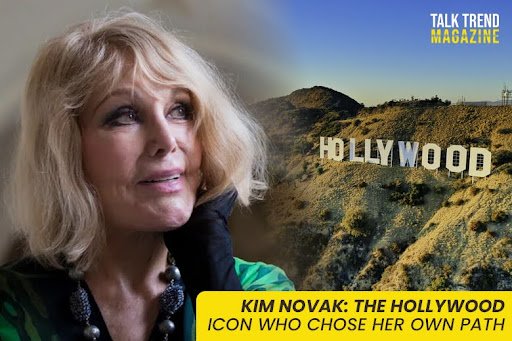
Kim Novak is one of those names that instantly brings up images of old Hollywood glamour. With her cool beauty and quiet strength on screen, she became a major star in the 1950s and 1960s, especially after her haunting performance in Alfred Hitchcock’s Vertigo. As time went on, she began seeking a life that felt more authentic and peaceful than the fast pace of Hollywood.

In this article, we will look at her story, her career, her later life as an artist, and what is estimated to be Kim Novak Net Worth today.

Early Life: From Chicago Girl to Hollywood Discovery

Kim Novak was born Marilyn Pauline Novak on February 13, 1933, in Chicago, Illinois, to parents of Czech heritage. She grew up in a working-class family and won scholarships to the School of the Art Institute of Chicago, showing an early talent for drawing and painting.

Before acting, she worked as a model and even toured the country as “Miss Deepfreeze,” promoting home freezers at trade shows. That modeling work brought her to Los Angeles, where a talent scout noticed her and led her to Columbia Pictures.

The studio tried to shape her into their own Marilyn Monroe and even forced her to adopt the name “Kit Marlowe.” But Novak refused to let go of her real surname, a quiet but powerful reminder that she intended to stay true to herself despite Hollywood’s pressure.

Becoming a Hollywood Star

Kim Novak’s film career took off very quickly. After a few small parts in 1954, she became a top box-office star with a run of major hits for Columbia Pictures. Films like Picnic (1955), The Man with the Golden Arm (1955) and Pal Joey (1957) made her one of the most popular actresses of the decade.

Her most famous role came in 1958, when Alfred Hitchcock cast her in Vertigo opposite James Stewart. She played a double role, as the mysterious Madeleine and the young woman who works in a shop, Judy, in what is now considered one of the greatest films ever made.

Despite her huge success, Novak did not always feel safe or respected in the studio system. She fought for better pay and clashed with Columbia’s powerful boss, Harry Cohn. At one point, she even went on strike for a salary raise and won.

By the early 1960s, she had starred in a string of well-known films, including Bell, Book and Candle, Strangers When We Meet, Kiss Me, Stupid, and The Amorous Adventures of Moll Flanders.

Walking Away From The Spotlight

Although she was one of the biggest stars in the world, the constant attention, studio control, and personal struggles took a toll. In 1966, Kim Novak left Hollywood and moved to the California coast near Big Sur, where she focused on painting and raising horses.

Later, she settled in rural Oregon with her second husband, veterinarian Robert Malloy. There, they created a ranch they called “Wingsong,” filled with horses, llamas, and other animals.

Life was not always easy. A mudslide once destroyed her Bel Air home and wiped out much of her savings, and decades later, a fire in Oregon burned down her house along with many of her paintings and the only draft of her autobiography.

Still, Novak chose peace over constant fame. She worked steadily on her art, eventually becoming an accomplished painter whose pastel works are shown and sold through her official art website.

In recent years, she has spoken more openly about living with bipolar disorder, aging, and the need to protect one’s sense of self in a harsh industry.

Kim Novak Net Worth: What Do We Actually Know?

When people search for “Kim Novak Net Worth,” they usually find a mix of numbers. Different celebrity finance sites estimate her net worth in a fairly tight range, usually between $14 million and $15 million in 2025.

Since Novak is a private person and not a modern social-media celebrity, these figures are just educated estimates rather than official announcements. But taken together, they suggest she is comfortably wealthy, though not at the extreme level of some stars who stayed in the system longer or built big business empires.

Her net worth likely comes from several sources:

  • Film salaries and residuals from her many movies and TV appearances were at the height of Hollywood’s studio era.
  • Royalties and appearance fees from re-releases, restorations, and festival screenings of classics like Vertigo and Picnic.
  • Art sales, since she has spent decades building a second career as a painter, selling originals and prints of her work.
  • Real estate, including her longtime ranch property in Oregon.

It is important to remember that Kim Novak also lived through serious financial setbacks, such as the destruction of a home and the loss of art and possessions, so her financial story has had ups and downs.

Even so, the current estimates of Kim Novak Net Worth show that she has maintained long-term security while choosing a quieter life away from Hollywood.

Honors, Late Recognition, And A New Documentary

Although she stepped back from acting decades ago, Kim Novak has continued to receive major honors. She has two Golden Globe Awards, a star on the Hollywood Walk of Fame, and lifetime achievement prizes from the Berlin Film Festival and other institutions.

In 2025, the Venice Film Festival awarded her the Golden Lion for Lifetime Achievement and premiered a new documentary, Kim Novak’s Vertigo, which tells her story in her own voice.

The film explores her rise to stardom, her battles with the studio system, her mental health journey, and her decision to trade fame for freedom in Oregon.

She has also been honored at other festivals and events, where modern audiences and critics celebrate her natural acting style, independence, and refusal to be molded into someone she was not.

Why Does Kim Novak Still Matter?

Kim Novak’s legacy is about far more than her bank balance. Yes, Kim Novak Net Worth shows she made a good living from her talent. But what truly sets her apart is the way she chose to live on her own terms.

She became one of the most famous faces of the 1950s, then quietly walked away when the price of that fame became too high. She turned to art, nature, and animals, and built a life that reflected her own values instead of the demands of a studio boss or a gossip magazine.

Today, at over 90 years old, she is being rediscovered by new generations through restored prints of Vertigo and through her own paintings and public talks. Her story speaks to anyone who has ever felt pressured to fit into a role and dared, instead, to rewrite the script.

In the end, Kim Novak’s true wealth may not be measured only in millions of dollars, but in the freedom she fought for, the art she created, and the lasting impact she left on cinema history.

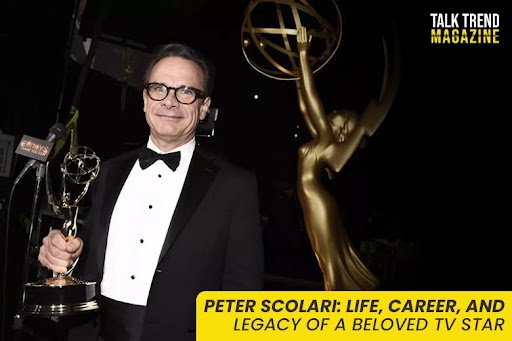
Peter Scolari was one of those actors you might not know by name, but the moment you saw his face, you remembered him. A warm smile, quick timing, and the ability to switch from silly to serious in a heartbeat made him a favorite on television and stage for more than four decades. From Bosom Buddies to Newhart to Girls, Peter Scolari quietly built a career that left a deep mark on audiences and fellow actors alike. 

Early life and love for performing

Peter Scolari was born on September 12, 1955, in New Rochelle, New York. He grew up in nearby Scarsdale in a family that had both creativity and struggle. His father had once played semi-professional baseball before becoming a lawyer, and his mother had been a singer. At home, though, life was not always easy; Peter later spoke openly about the emotional difficulties in his childhood and how that shaped him. 

As a teenager, he found out that acting gave him a kind of freedom and purpose. He acted in school plays, did some voice work, and even learned juggling and mime. Those were the skills that he later used in his comedy roles. By high school, he already knew he wanted to be an actor. After a short time studying theater in college, he returned to New York, joined a theater group, and threw himself into stage work, slowly building his craft in off-Broadway productions. 

Finding his footing in Hollywood

Like many actors, Peter Scolari’s early path in television was full of ups and downs. In the late 1970s and early 1980s, he played roles in pilots and short-lived series, trying to find that breakout part. One of his first big chances was the 1980 sitcom Goodtime Girls, where he played a juggling neighbor. This was a role that showed off his quirky physical comedy, but it did not last long on air. 

The role that was the turning point in his acting life came soon after: Bosom Buddies. In this ABC sitcom, Peter Scolari starred alongside a little-known star at that time, Tom Hanks. They played two young men who dress as women so they can live in an all-female apartment building and afford the rent. Peter’s character, Henry Desmond (who used the female name Hildegard), was funny, sweet, and full of nervous energy. 

Although Bosom Buddies lasted only two seasons, it became not huge but deeply loved. More importantly, it introduced Peter Scolari to millions of viewers and created a lifelong connection between him and Tom Hanks, who later invited him to join several other projects. 

The Newhart Years And Rising Fame

After Bosom Buddies, Peter Scolari found the role that would define his television career for many fans: Michael Harris on the CBS sitcom Newhart. Joining the show in the mid-1980s, he played a young TV producer who was both having big goals and working hard to achieve them, and was hilariously insecure.

Audiences loved Michael Harris, and critics noticed too. Peter Scolari received three consecutive Primetime Emmy nominations for Outstanding Supporting Actor in a Comedy Series for his work on Newhart in the late 1980s. 

 The show continued till 1990, which gave him a stable platform to show just how consistent and skilled he was with comedy.

During this time, he kept appearing in TV specials and films. He always used to add his own style of old-school charm. His quick timing and playful physical comedy gave every role an extra spark. It was the kind of touch that made audiences smile without even realizing why.

Beyond sitcoms: films, Disney, and voice work

Peter Scolari never became a typical Hollywood leading man, and that may have been one of his strengths. He moved easily between film, television, and stage, taking roles that felt right rather than just chasing stardom. In film, he showed up in projects like The Rosebud Beach Hotel, Camp Nowhere, and That Thing You Do!, the latter again reuniting him with Tom Hanks. 

In the late 1990s, he took on a family-friendly role that introduced him to a new generation: Wayne Szalinski in the TV series Honey, I Shrunk the Kids. He stepped into the part originally played by Rick Moranis in the movies, playing the lovable, absent-minded inventor dad for Disney. 

He also did voice and motion-capture work in the animated film The Polar Express, again collaborating with Tom Hanks, and appeared in other projects connected with Disney and family entertainment. 

A powerful comeback with Girls and later roles

Many actors struggle to stay visible as they get older, but Peter Scolari had a remarkable later-career comeback. On HBO’s Girls, he played Tad Horvath, the gentle, slightly awkward father of Lena Dunham’s character. What might have been just another “TV dad” role turned into something much deeper when he played it.

In 2016, Peter Scolari won the Primetime Emmy Award for Outstanding Guest Actor in a Comedy Series for his performance on Girls. 

The award showed that, even after decades in the industry, he was still growing, still surprising people, and still capable of touching audiences with honest, lived-in performances.

Around the same time, he appeared in the superhero series Gotham as corrupt police commissioner Gillian B. Loeb and played Bishop Thomas Marx in the paranormal drama Evil. On stage, he continued working on Broadway, taking roles in shows like Hairspray, Bronx Bombers (where he played baseball legend Yogi Berra), and Lucky Guy, which again reunited him with Tom Hanks. 

Personal Life, Challenges, and Strength

Away from the camera, Peter Scolari’s life had its share of ups and downs. He was married four times and had four children. His final marriage was to actress Tracy Shayne, whom he wed in 2013; they remained together until his death. 

He was also open about his struggles with mental health and addiction. In later interviews, he spoke about living with bipolar disorder and substance abuse, and about the hard work of recovery. By sharing these experiences publicly, he helped reduce the stigma around mental health, showing fans that even successful actors can struggle, and that help and healing are possible. 

Illness, Passing, and Enduring Legacy

Peter Scolari died on October 22, 2021, in New York, after a two-year fight with cancer. He was 66 years old. 

News of his passing brought a wave of love from co-stars, friends, and longtime fans. People shared stories about his kindness on set, how he encouraged younger performers, and the gentle way he made everyone around him feel comfortable.

What makes Peter Scolari stand out in television history is not just how many roles he played, but how fully he inhabited them. Whether he was the anxious producer on Newhart, the tender father on Girls, or the eccentric inventor in Honey, I Shrunk the Kids, he always felt genuine. There was a warmth to his work that made even the smallest moments shine, and he had a rare talent for standing out without ever overshadowing others.

Final Words

Today, when someone looks up “Peter Scolari bio,” they often discover just how rich and varied his career really was. He was a comic actor, a dramatic actor, a stage performer, a voice artist, and above all, a dedicated professional who showed up, worked hard, and put heart into everything he did. His story reminds us that success is not always about being the biggest name on the poster. Sometimes it is about being the steady, generous presence who quietly makes every project better.

Peter Scolari leaves behind a long list of shows, films, and stage roles, as well as a gentle lesson in perseverance, humility, and heart. His work continues to live on in reruns, on streaming platforms, and in the memories of those who watched him. And year after year, new fans find him and discover that performances filled with real feeling never fade.

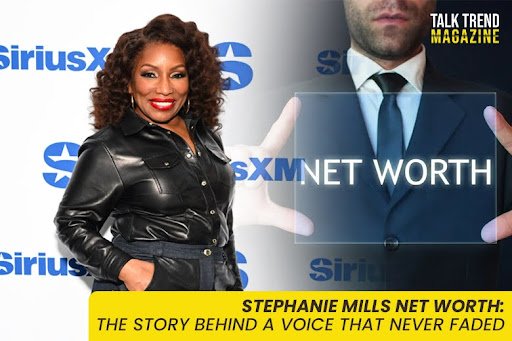
For more than five decades, Stephanie Mills is singing with a melodious voice that can silence a room in an instant. This voice feels moving like velvet yet burns with the warmth of fire. When people search for “Stephanie Mills Net Worth,” they are rarely looking for numbers alone. They want the story behind that voice: how a young girl from Brooklyn rose to Broadway fame, shaped R&B history, and continues to earn, inspire, and perform with the same passion she had as a teenager.

This blog covers the story of her career, her money, and the legacy she has built along the way.

A Brooklyn Girl With a Broadway Dream

Stephanie Dorthea Mills grew up in Brooklyn. She used to sing in church long before she stepped onto any stage. By the age of nine years, she was already performing on Broadway in Maggie Flynn, showing early flashes of the powerhouse she would become.

But the moment that changed everything came in 1974. Mills won the role of Dorothy in The Wiz, a soulful reimagining of The Wizard of Oz. Her performance was magnetic. Broadway critics praised her, audiences were instantly drawn in, and her song “Home” grew into a signature ballad that would stay with her throughout her entire career. It was clear to everyone: Stephanie Mills was not just talented—she was unforgettable.

Turning a Broadway Star Into an R&B Powerhouse

In the late ’70s and throughout the ’80s, Mills shifted from Broadway lights to R&B stages. The transition was not just smooth. It was explosive.

She released a string of hit albums, including Sweet Sensation and Stephanie, delivering classics like “I Feel Good All Over,” “A Rush on Me,” and “Never Knew Love Like This Before,” which won her a Grammy award. Her voice is rich, warm, and emotional, which dominated the R&B charts and helped define the sound of the era.

Despite all her success, Mills stayed humble. She focused her efforts on creating music that would last, not just whatever was popular at the moment. And it paid off—her songs are still heard on the radio, at weddings, and at soul concerts many years later.

So, What Is Stephanie Mills Net Worth?

Here is where things get interesting. Different entertainment sites give different estimates for Stephanie Mills Net Worth:

  • Some list it around $1.5 million.
  • Others place it closer to $2 million.
  • A few newer sources suggest as high as $9 million.

Why the big range? Celebrity net worth figures are educated guesses, not official documents. Mills has never publicly confirmed her finances, and much of her income came from royalties to touring, and acting is private.

But by reviewing her long career, recent projects, and multiple revenue streams, most reasonable estimates suggest her net worth lies somewhere between the low and mid millions, leaning upward thanks to her continued work on stage and screen.

How Stephanie Mills Earns Her Money?

Even without exact figures, it is clear Mills has built a steady, diverse career that continues to pay off.

Music and Royalties

With over a dozen studio albums and multiple gold and platinum hits behind her, Mills still earns money from streaming, radio spins, live recordings, and long-standing catalog sales. Her music has become classic, and it never truly stops bringing in revenue.

Touring and Live Performances

Mills is a live-show favorite. She headlines R&B concerts across the country, joins multi-artist tours, and consistently draws packed audiences. For veteran artists, touring is often the strongest source of income, and Mills remains in high demand.

Broadway and Acting

She is not just a singer. She is a full performer. Over the years, she has returned to the stage in productions like Ragtime and Children of Eden. In 2024, she stepped back onto Broadway for Hadestown, proving she has not lost a step.

On screen, she appeared in The Wiz Live! and starred in Lifetime’s Pride: A Seven Deadly Sins Story in 2023, marking her first leading film role. Each new appearance adds to her earning power.

Merchandise and Brand Work

From tour merchandise to small brand partnerships, Mills has created additional income streams that support her long-running career.

Why Net Worth Estimates Vary So Widely

A few factors explain the big swings in reported numbers:

1. Old-Industry Record Deals

Mills rose to fame during an era when contracts often favored record labels, not artists. Even massively successful singers didn’t always receive massive paychecks.

2. Career Breaks to Focus on Family

She stepped away at times to focus on her son, which naturally slowed income during certain years.

3. Different Calculation Methods

Some sites count only cash and assets. Others estimate the total value of her music catalog, real estate, and potential investments. That alone can swing estimates by millions.

4. Private Finances

Because Mills is not flashy about wealth, there is less public information for analysts to use. This leads to wide-ranging guesses.

Even with these gaps, one thing is clear: Mills continues to add value to her brand every year, which means her net worth is almost clearly rising.

Still Working, Still Earning, Still Inspiring

What is remarkable about Stephanie Mills is not just her longevity, but her intensity. She did not fade quietly into nostalgia tours. She works. She performs. She takes on new roles. She speaks boldly. She reinvents.

In recent years, she has:

  • Headlined national R&B tours
  • Starred in a Lifetime movie
  • Returned to Broadway after decades
  • Recognized as one of the all-time greats in R&B

For an artist who started at age nine, that level of energy is rare and financially rewarding.

The Real Wealth of Stephanie Mills

So, what is Stephanie Mills Net Worth? Depending on the source, you will see estimates from $1.5 million to $9 million. But the truth goes deeper than the numbers. Stephanie Mills has built a life of:

  • Historic performances
  • Award-winning songs
  • Devoted fans
  • Respect across the music and theater worlds
  • A career that still brings her joy and opportunity

Her voice is her wealth. Her legacy is her fortune. And her story, still unfolding, is proof that success is not just measured by money, but by the lasting impact of a truly extraordinary career.

Morris Chestnut is one of those rare Hollywood stars whose career has stayed strong and steady for decades. Whether you first watched him in a ’90s classic or came across him in a newer streaming series, he is the kind of actor you remember. There is no surprise that people search for “Morris Chestnut age,” not just to check the number, but because he somehow still looks as youthful as he did years ago. Born on January 1, 1969, in Cerritos, California, he is now in his mid-50s and continues to win over audiences with the same charm and presence he has always had.

From Cerritos to “Boyz n the Hood.”

Morris Chestnut grew up in Southern California, the son of Shirley and Morris Chestnut Sr. He did not start out as a child actor. Instead, he found his way to acting a bit later, landing his first professional role on the TV series Freddy’s Nightmares in 1990. Just a year later, he got the part that would change everything: Ricky Baker in John Singleton’s powerful film Boyz n the Hood (1991).

The film became a major critical hit and is now widely viewed as a classic. Chestnut’s role as the hopeful young athlete whose future is cut short left a lasting impact on viewers. Even though his part was not the largest, it proved early on that he could deliver real emotion and authenticity on screen.

Becoming a Romantic Leading Man

After Boyz n the Hood, Chestnut kept building his career with roles in films like Under Siege 2: Dark Territory and G.I. Jane, as well as various TV projects. But his big move into leading-man territory came with the 1999 film The Best Man, where he played Lance Sullivan, a star football player preparing for his wedding. The movie became a favorite among fans and critics, and Chestnut earned an NAACP Image Award nomination for his performance.

Through the early 2000s, he continued to shine in romantic comedies and dramas like The Brothers, Two Can Play That Game, and Like Mike. These films helped cement his image as the charming, dependable leading man, often the loyal friend, the devoted boyfriend, or the dream husband. For many viewers, he became the face of Black romance on screen, representing a confident, successful, and loving partner.

Television Star and Versatile Actor

While movies made him famous, television turned Morris Chestnut into a household name. Over the years, he has taken on a wide range of TV roles. He appeared in the sci-fi series V, played a war veteran doctor in Nurse Jackie. A role that earned him an NAACP Image Award, and later led to the crime drama Rosewood as pathologist Dr. Beaumont “Rosie” Rosewood Jr.

He has also starred in series like Legends, The Enemy Within, and the medical drama The Resident, where he played the tough neurosurgeon Dr. Barrett Cain. More recently, he stepped back into his beloved role as Lance in The Best Man: The Final Chapters on Peacock, hosted the docuseries Rebuilding Black Wall Street, joined the legal drama Reasonable Doubt on Hulu, and took on the iconic role of Dr. Watson in the CBS series Watson.

This long list of projects shows that Chestnut is far more than just a romantic lead—he’s a versatile actor who can handle drama, comedy, action, and even science fiction.

A Private Family Man

Despite his fame, Morris Chestnut is known for keeping his personal life low-key. He has been married to his wife, Pam Byse, since 1995, and the couple has two children, Grant and Paige. While many stars share every detail of their lives on social media, Chestnut and his wife prefer to stay mostly out of the spotlight.

In interviews, he often praises Pam, calling her the “star” of their family and crediting their long-lasting marriage to mutual respect and growing together over time. Their relationship has become something of a real-life version of the loving couples he plays on screen, which is part of why fans see him as both relatable and admirable.

Morris Chestnut Age, Fitness, and the Secret to Looking Ageless

When people look up “Morris Chestnut age,” they are usually shocked to find out he is in his mid-50s. Born in 1969, he has managed to maintain a youthful, athletic look that many people half his age would love to have. His secret is not magic. It is hard work.

Chestnut has spoken openly about his fitness journey, including a period when he dropped from around 220 pounds to a lean 187 pounds in just 12 weeks to prepare for The Best Man Holiday. That dramatic transformation inspired him to team up with fitness expert Obi Obadike to write a book called The Cut: Lose Up to 10 Pounds in 10 Days and Sculpt Your Best Body. The book shares meal plans, workout routines, and practical tips for getting in shape in a healthy way.

Even in recent interviews, he talks about staying active with weight training, cardio, and core exercises. This proves that his impressive physique is the result of consistent effort, not quick fixes.

Honors, Awards, and Lasting Impact

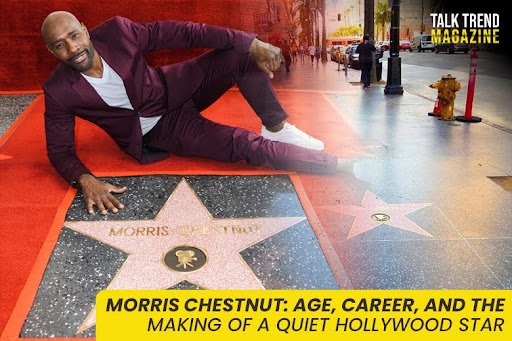
Morris Chestnut’s work has not gone unnoticed. He has received several NAACP Image Award nominations over the years and won for his supporting role in Nurse Jackie and later for The Best Man: The Final Chapters. In 2022, he received one of Hollywood’s biggest honors: a star on the Hollywood Walk of Fame, his long and successful career in film and television.

Beyond trophies, his impact is also about representation. For many Black viewers, seeing a character like Lance Sullivan or Dr. Rosewood, a loving husband, a loyal friend, a brilliant professional, has been meaningful. Chestnut has often shared that seeing strong, positive portrayals of Black men on television during his youth helped guide his own ambitions. Now, he has become that same source of inspiration for the next generation.

Why Do People Wonder About the Morris Chestnut Age?

A lot of fans are surprised when they look up Morris Chestnut and discover he is actually in his mid-50s. With his youthful looks, confident presence on screen, and decades-long career, it is no wonder people get curious about his real age. This is the same kind of curiosity readers have when they search for the ages of other public figures, such as Caseoh and Kai Cenat.

When fans see Chestnut in recent films or television shows, anyone may wonder how he maintains the same energy and athletic look he had decades ago. His dedication to fitness, clean eating, and consistent work ethic keeps him looking far younger than his actual age. This combination of longevity and youthfulness is why people continue searching for “Morris Chestnut age” and why the topic stays relevant generation after generation.

Why Does Morris Chestnut Still Matters?

More than thirty years after Boyz n the Hood, Morris Chestnut is still booked, busy, and beloved. He has managed to grow with his audience, moving from young athlete roles to mature professionals, fathers, and mentors, all while keeping the charm that drew fans to him in the first place. His long marriage, dedication to fitness, and grounded attitude make his off-screen life just as inspiring as his on-screen characters.

So the next time you find yourself wondering about Morris Chestnut’s age or trying to remember where you have seen him before, think of the long road he has traveled, from a promising young actor in a landmark film to a respected Hollywood veteran with a star on the Walk of Fame. His story shows that with talent, discipline, and heart, it is possible not only to make it in Hollywood but to stay there with grace. As he continues to inspire others through his journey, many are eager to share their own experiences, much like the travel stories from Florida dad blogger that capture the essence of family adventures. These narratives not only highlight the joys of exploration but also remind us of the bond created through shared moments. Just as Morris has carved his place in entertainment, these storytellers enrich our understanding of life’s simple pleasures.