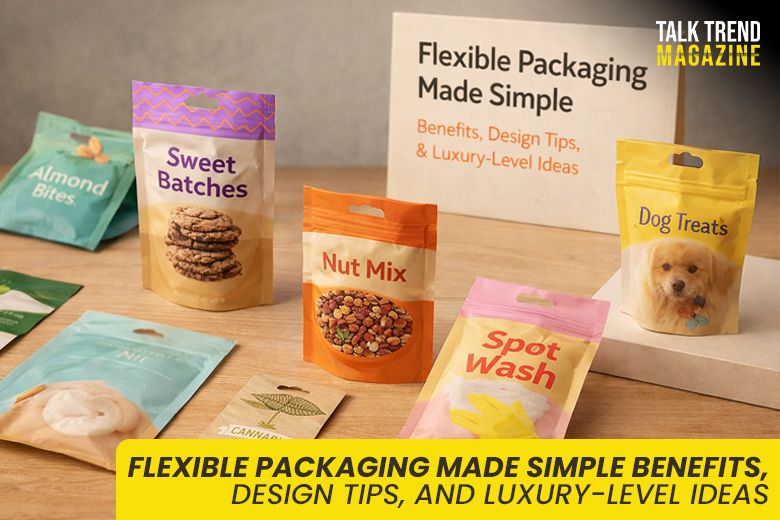
Flexible packaging is any type of pack that you can twist, bend, or squeeze. Think about pouches, satchels, wraps, and bags made of film, foil, or paper. Many brands choose it because it protects the products, costs less for shipping, and is easier to handle compared to rigid boxes or jars. In fact, in the U.S., flexible packaging is one of the largest segments of the packaging industry, proving that it is not only a trend but a long-term solution.
Why is Flexible Packaging so Useful?
The biggest reason is its performance. Modern films create a barrier that blocks moisture, oxygen, and light, which can ruin food, drinks, or beauty products. That is why chips remain crisp, coffee keeps its aroma, skincare cream does not deteriorate quickly, and products in industrial packaging stay safe during transport and storage. This strong protection often means a long-lasting product on the shelf, which also reduces waste.
There is another profit efficiency. Since pouches and wraps use less material than bottles or compartments, they are lighter and less expensive to manufacture and ship. It reduces fuel consumption and lowers the carbon footprint in large versions, which combines significant savings in both money and resources, making flexible packaging a smart option for businesses that prioritise efficiency and environmental care.
Is Flexible Packaging Similar to Sustainable Packaging?
Not always. Many companies opt for flexible packaging to reduce material use and shipping costs, which are clear benefits for the planet. While customers sometimes think that paper, glass, or metals are “greenery”, even when flexible packaging actually has a small footprint during transport. Brands need to explain the entire story: low material, low energy, and low waste.
The biggest challenge is recycling. Some flexible packs are made of layers of different materials (such as plastic plus aluminum) that are difficult to recycle. The good news is that companies are creating new options, such as single-material packs or paper-based films, that can easily be incorporated into a recycling stream. This shift is helping flexible packaging move closer to proper sustainable packaging.
Smart Packaging Design That Stands Out
Good packaging design can create a big difference. Stand-up pouches draw attention to shelves, spouted packs are ideal for dispensing sauce or refills, and flat pouches are well-suited for single servings. The printing technique now enables the short-term production of clear colors, bold graphics, and even seasonal or limited-edition products. This flexibility enables brands to be creative without incurring unnecessary expenses on large stockpiles.
For brands focused on sustainable packaging, the design should clearly show recycling information and explain why the pack is environmentally friendly. The simple, honest language fosters trust with customers, especially when they can already perceive rigid materials like glass as environmentally friendly.
Luxury Packaging Without Bulk
High-end brands are shifting towards lightweight, eco-friendly packaging options, while maintaining that “wow” factor. Luxury packaging does not always require a heavy box. With flexible packaging, you can still make a premium look using matte finish, metallic accents, and resealable zippers that feel elegant. The brands are also adding QR codes or digital tags to tell their story and connect with customers in creative ways.
If you are looking for luxury packaging ideas, consider the overall experience. For beauty products, refill pouches can be stylish while reducing waste. For gourmet foods, a minimalist design with subtle colors may feel modern and upscale. The secret is combining a premium look with the eco-friendly benefits of flexible packaging.
Switching Brand to Flexible Packaging
It depends on your product. Flexible packaging offers one of the best options:
- If your product requires protection from air, light, or moisture.
- If shipping costs are eating your profits, a lighter pouch can help.
- Additionally, if you want to launch new products quickly, flexible packs enable rapid, small-batch printing, which reduces the risk.
However, do not forget to think about the end of life. Choose recycled materials whenever possible, avoid unnecessary layers, and provide clear instructions about how to dispose of packs to customers. In this way, you get the benefits of flexible packaging, which supports the demand for sustainable packaging.
Final Thoughts
Flexible packaging is more than only a different type of pack – this is a smart strategy. It keeps products fresh, reduces costs, and can support your permanent packaging goals. With thoughtful packaging design and some creative luxury packaging ideas, you can create an experience that feels premium, responsible, and modern. Smart use of flexible packaging creates wins for your brand and for the environment.