
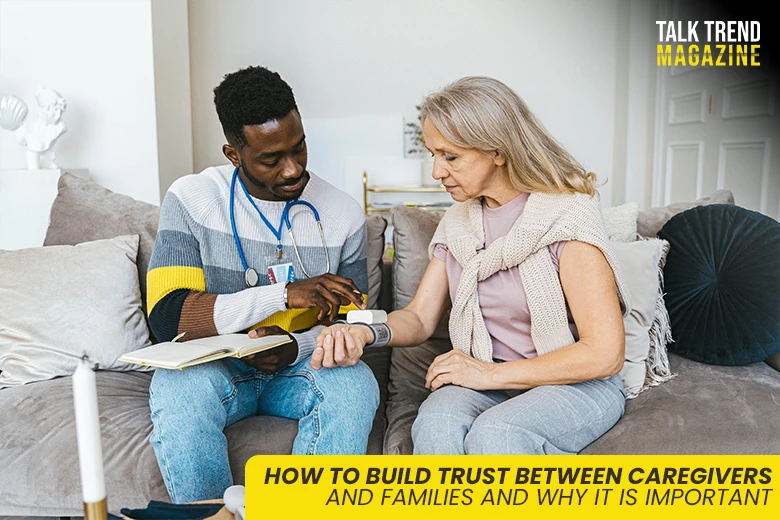
Trust shapes every caregiving relationship. When families invite a caregiver into the home or care team, they are sharing responsibility for someone they love. That decision often comes with concern, questions, and emotional weight.
Trust isn’t developed automatically. It develops through daily actions, simple choices, and respectful communication. When trust is strong, care feels safer and more coordinated because families worry less and caregivers work with clarity.
When trust is weak, even minor issues can feel overwhelming, which makes misunderstandings more likely. Understanding how trust forms and what sustains it helps protect the quality of care and the family’s peace of mind.
Trust also influences how families communicate concerns and collaborate during routine care decisions. Establishing trust early helps prevent confusion or conflict later.
Strengthening Trust Through Clear and Compassionate Communication
Trust starts with how you communicate. Clear communication prevents confusion, but compassionate communication builds confidence, and these are not the same thing.
Care improves when communication is two-way instead of one-sided. Family members aren’t just receiving updates; they’re also taking part in decisions, concerns, and service adjustments as needs change.
Parenting Our Parents notes that trust improves when caregivers simplify medical language, avoid medical jargon, and confirm understanding using teach-back methods. It also emphasizes routine updates and written records, which limit confusion and keep families involved in care decisions.
Family members build trust when they ask questions and receive clear answers. Caregivers build it when they explain not only what they do, but why they do it. Simple habits matter. Daily check-ins, written updates, and calm explanations help families stay informed.
inspirehomecarepa.com notes that a partnership approach supports independence while addressing non-medical needs, which aligns with clear and consistent communication. This collaborative method reduces guesswork and supports confidence in decision-making.
Good communication also lowers stress, which becomes especially important in home-based care environments. NPR highlights that home-based care often shifts more responsibility onto families, which can increase stress when expectations are unclear. Caregivers who explain roles early and communicate changes promptly help families feel prepared.
Transparency Through Shared Goals and Feedback Loops
Trust grows faster when expectations are clear. Family members need to understand what success looks like in daily care.
Caregivers also need to understand family priorities. A 2025 study reports that family caregivers feel more trust when they are formally recognized as care partners, not just observers. The BMC Geriatrics study found that unclear roles and inadequate feedback increased stress.
On the other hand, shared goals and regular reviews helped families maintain responsibility and respect for the care recipient’s autonomy. Caregivers also reported feeling less isolated when professionals acknowledged their knowledge and invited input during care planning discussions.
Feedback loops matter just as much as goals. When caregivers recognize the family’s role and invite their input, raising concerns feels safer. You know when to speak up and how feedback will be handled. Caregivers also gain clarity. Scheduled reviews help prevent emotional reactions during high-stress moments.
Simple processes such as weekly summaries or scheduled calls work best to maintain clarity. These habits show accountability. Accountability strengthens trust because actions match expectations.
The Emotional Layer of Trust in Care
Care is not only physical. It is emotional. When emotions are ignored, trust weakens. Psychology Today explains that trust depends on both competence and benevolence. Competence refers to reliable care processes. Benevolence reflects empathy and genuine concern.
Patients trust caregivers more when they feel cared for on a human level, not just treated. Small acts of caring, such as checking in during off-hours, can strengthen bonds and improve cooperation. Similarly, a caregiver’s tone of voice, patience, and acknowledgment of fear or grief build emotional safety.
Family members trust caregivers more when caregivers recognize their caregiving role. Respect for that shared history supports cooperation. A 2025 study notes that family members want to be acknowledged as partners in care. Their involvement increases when healthcare staff maintain transparency.
The study, published in the Journal of Interprofessional Education & Practice, also noted that several family members felt excluded during the decision-making process. This weakened trust during complex care planning. When caregivers feel respected, they communicate better, creating a healthier care environment.
Families can support this by expressing concerns calmly and clearly. Caregivers support it by listening without defensiveness. Mutual respect helps sustain relationships during rough days.
The Role of Reliability and Integrity in Building Trust
Trust requires consistency. Promises mean little without follow-through. A recent study published in BMC Palliative Care found that stronger caregiver-family relationships are associated with lower burdens.
The study also reports that families with high relationship scores experienced fewer schedule problems, fewer health complaints, and better emotional support. Caregivers also reported higher self-esteem when relationships were strong.
These findings reflect how dependable relationships reduce stress and improve daily routines, which strengthens trust throughout care interactions. When that stability exists, daily care feels easier to manage and monitor.
Reliability reduces the need for oversight, and consistency applies to staffing as well. Frequent caregiver changes disrupt trust and unsettle families. Stable assignments help caregivers understand preferences and build rapport.
Professional integrity matters as well. This includes respecting boundaries, maintaining privacy, and following care protocols. These actions show that care is structured, not improvised. When caregivers act consistently, families gain confidence and can focus on personal responsibilities instead of supervision.
People Also Ask
1. How do professional caregivers show they are trustworthy during the first week?
Trustworthy caregivers prioritize active listening and show respect for established family routines. They demonstrate reliability by arriving on time and precisely following the care plan. By asking for permission before starting tasks and showing genuine interest in your loved one’s stories, you build a respectful, human connection.
2. Why do caregivers sometimes struggle to build trust with families?
Trust takes time, especially when families feel anxious about delegating daily care. Caregivers may lack information about family expectations or past concerns. Misunderstandings arise when communication is rushed. Trust builds slowly when caregivers invite questions, respect routines, and show reliability during small but meaningful daily interactions.
3. Which indicators point to an untrustworthy home care provider?
Red flags include frequent lateness, inconsistent communication, or ignoring your loved one’s specific preferences. Watch out for caregivers who avoid documenting daily activities or seem defensive when family members ask questions. Trust your gut feeling if the care feels disorganized or if the agency fails to provide regular updates.
Trust between caregivers and families does not happen by chance. It develops through communication, transparency, emotional respect, and consistent actions. Each element reinforces the others. When trust is present, care becomes calmer and more effective.
With trust in place, families feel informed instead of anxious, and caregivers feel supported rather than scrutinized. By paying attention to how trust is built and maintained, you protect both the quality of care and emotional well-being. That protection matters every day care is provided.
