Category: Latest Trends

Illness can catch us unaware, more so with advancing age. The Global Burden of Disease 2023 report found that conditions like ischemic heart disease and COPD continue to be the leading causes of illness and mortality across the world. It also reported a growing incidence of diabetes and mental health disorders.

Among older adults, long-term illness can be stressful for the family, who struggle with providing adequate care. Well-intentioned as they may be, continued care can be difficult to balance with other life priorities, such as work or college.

Moreover, some situations can leave family members feeling helpless, unable to cope with the caregiving burden. This can occur when illness takes a turn for the worse, leading to increased loss of mobility and altered dietary routines. Failing to take the necessary steps can worsen the health outcomes for patients.

Let us identify the signs that strongly indicate the need to go beyond family care for your loved one.

Increasing Caregiver Burnout

First, it may seem selfish to consider your own needs before those of the one suffering. However, caregiver burnout is crucial to identify and manage to protect the health of everyone involved. Cleveland Clinic highlights that when a patient’s needs exceed the caregiver’s capabilities, it can become a risk factor for elder abuse.

Across the US, particularly in states with a significant older population, the need for care is rapidly rising. For instance, the U.S. Census Bureau reports that the population of older residents in Philadelphia increased by 22.3% in the last decade.

Unfortunately, many seniors don’t receive adequate help due to their family’s lack of time or ability. The stress of supporting an ill family member day after day can manifest as frustration or neglect. Financial reasons or the stigma associated with care homes may prevent families from exploring a residential facility.

Take immediate action if you detect these behavior patterns in yourself or another family member who’s the designated caregiver:

  • Excessive or unmanageable stress.
  • Frustration leading to neglecting caregiving duties.
  • Incidents of poor behavior toward the patient, likely triggered by stress.

Instead, you can consider a professional at-home caregiver, which has emerged as a viable option for many senior adults in America.

These professionals are trained to help people manage everyday life with dignity and comfort. According to caringfamilyhealth.com, this option also offers the benefit of a personalized care plan, which can be particularly beneficial for older adults struggling with mobility issues or chronic illnesses.

Major Changes in Mobility, Nutrition, or Hygiene

Several conditions related to old age are associated with mobility restrictions. Osteoarthritis can reduce movement by causing muscle stiffness, making daily life challenging during flare-ups. Stroke also becomes more common in senior adults, sometimes causing paralysis and speech problems.

Mobility changes can affect everything else in life. The ability to cook and eat meals on time. The strength to take baths and attend to personal hygiene.

If the health condition does not improve, the patient may require prolonged assistance with feeding and using the bathroom. They will also need support to attend appointments or participate in activities that can improve their quality of life, such as rejuvenating sunshine in the square.

The Conversation notes that many modern cities are not elder-friendly, with roads difficult to cross and a high risk of falls.

Seek professional support if you:

  • Struggle to find time for everyday support with meals and toilet trips.
  • Cannot take the patient to necessary appointments or wellness-related activities.
  • Don’t feel confident handling delicate tasks such as helping the person to the washroom, which can be a fall hazard if not done appropriately.

High-Risk Indicators of Poor Mental Health

Mental health can take a major hit among people suffering from prolonged illness. In seniors, this can become apparent as memory problems or cognitive issues in decision-making and other chores.

Dementia is particularly notorious for its stark, distressing symptoms. Alzheimer’s, the most commonly seen form, can cause memory loss and confusion. The WHO reports that dementia is one of the major contributors to disability and dependency in older people.

Your loved one may also be struggling with mood disorders, such as depression, and withdrawing into a bubble. Social isolation among older people is a veritable challenge. It can become worse in the absence of companionship, which may happen when you’re off to work or out of the house during the day.

Caring for seniors with mental health conditions can be overwhelming. An Innovations in Alzheimer’s Disease report predicts that over 13.8 million Americans may have Alzheimer’s by 2060. Managing their medications and providing palliative care will be daunting with more care facilities closing down.

Consider seeking professional care if you notice:

  • Worsening mental health in the patient with signs like agitation or confusion.
  • Social withdrawal and refusal to communicate.
  • Forgetting medication or appointments even after you’ve provided instructions.

The decision to access professional care for a loved one will never be uncomplicated. It can make you feel that you failed to manage what you must have by yourself. It can be financially worrying, particularly when combined with the cost of medication and ongoing doctor’s appointments. But some decisions must be made, for the betterment of everyone involved.

Family support and companionship will always matter. It can directly impact your loved one’s confidence in healing and bring meaning to their days. However, sometimes, family care will simply not be adequate.

Don’t let your emotions get in the way of adopting the optimal care plan for your family.
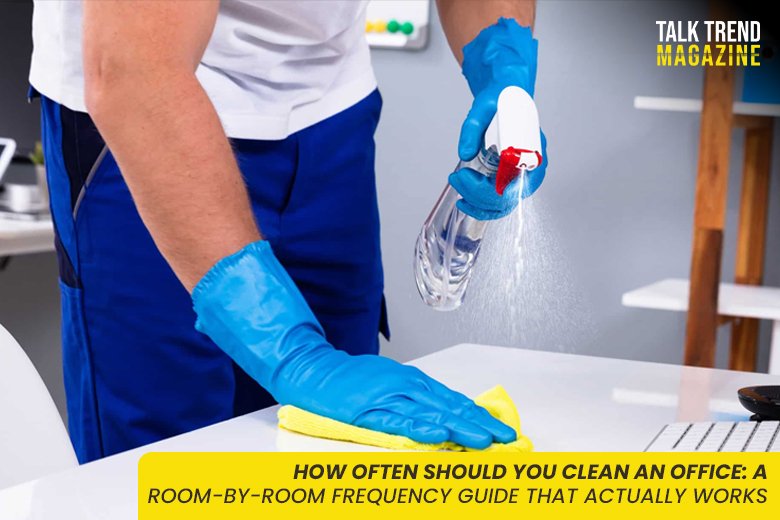
A clean office is not just about appearances. It affects first impressions, employee morale, and even how often people get sick, which is why many teams lean on trusted help, as Orchid Maids, Norwich, CT, to keep standards consistent. The tricky part is figuring out what needs attention daily versus what can wait until the end of the week. This guide breaks down a realistic office cleaning schedule by area, with a special focus on restrooms, break rooms, touch points, and floors. It is also written with real life in mind, because no two workplaces have the same traffic patterns.

The smart way to set your cleaning rhythm

Before you build a schedule, think about two things: foot traffic and risk. The more people using a space and the more that space involves food, water, or shared contact, the more often it should be cleaned. A professional commercial maid service can also help you spot your “hot zones” faster, because experienced cleaners recognize patterns most teams miss and can tailor a plan that fits your business instead of forcing a generic checklist.

The quick cheat code

  • High traffic and high touch areas need daily attention.
  • Low traffic offices can often run on a weekly detail clean, with daily touch ups.
  • Seasonal spikes matter, like flu season or rainy months that bring in more grime.

Restrooms: the non-negotiable daily zone

Restrooms are where cleaning frequency matters most, and skipping days can backfire fast. Even a tidy looking restroom can carry lingering odors and bacteria on fixtures, handles, and stall hardware. If you want employees and visitors to feel comfortable, this is the place to be consistent.

Recommended frequency

  • Daily: toilets, urinals, sinks, counters, mirrors, and touch points (faucet handles, stall latches, dispensers).
  • 2 to 3 times per week: deep scrub for grout lines, baseboards, and hard-to-reach edges.
  • Weekly: descale fixtures if your water is hard, plus high dusting vents and light covers.

Fun fact: Fun fact about office restrooms is that odors often cling to porous surfaces like grout more than to the toilet itself, which is why periodic deep scrubbing makes such a big difference.

Break rooms: where crumbs and cross-contamination live

Break rooms feel harmless until you remember how many hands touch the same fridge handle, microwave buttons, and coffee station. Food areas also attract pests if crumbs and sticky residue build up. A steady routine here keeps the space pleasant and helps avoid those mysterious smells that “appear” overnight.

Recommended frequency

  • Daily: wipe counters, tables, sink areas, and sanitize high-touch appliances.
  • 2 to 3 times per week: clean microwave interior, wipe cabinet fronts, spot clean walls near trash areas.
  • Weekly: deep clean inside the fridge and disinfect trash can interiors.

If your team eats at desks and only uses the break room lightly, you can scale down. If your office runs on coffee and shared lunches, bump it up.

Touch points: the fastest path for germs to travel

Even if floors shine, it is the shared touch points that quietly spread illness. These are the surfaces people use without thinking, and they get hit dozens or hundreds of times a day. This is where professional commercial maid services can add real value, because they follow repeatable sanitation processes and use products that clean effectively without leaving harsh residues on frequently touched surfaces.

Highest priority touch points

Door handles, light switches, elevator buttons, shared keyboards, copier panels, conference room remotes, break room appliance handles, faucet handles, and reception counters.

Recommended frequency

  • Daily minimum: sanitize core touch points across the office.
  • Twice daily during flu season or heavy traffic days: reception and shared equipment zones.

Floors: match the plan to the material and the weather

Floors take the most visible beating, but they also hold on to allergens and fine dust that people track around. A good floor plan depends on the type of flooring and your local conditions, especially rain and winter grit.

Recommended frequency by floor type

  • Carpet: vacuum 3 to 5 times per week in high traffic areas, plus spot treat as needed.
  • Hard floors (vinyl, tile, laminate): sweep or dust mop daily, damp mop 2 to 3 times per week.
  • Entryways: daily attention is essential, because most dirt enters through the front door.

Fun fact: Fun fact is that most offices bring in the majority of their dirt through the first 20 feet of the entrance, which is why mats and daily entry cleaning give you the biggest payoff.

Weekly and monthly tasks that keep things from sliding

Daily cleaning handles the obvious mess. Weekly and monthly tasks prevent slow buildup that makes spaces feel dingy over time. This is also where hiring professional commercial maid services often saves money long term, because a consistent maintenance schedule can reduce premature wear on floors, fixtures, and furniture.

Good monthly priorities

  • Dusting vents and high ledges.
  • Detailed wipe down of baseboards and door frames.
  • Upholstery spot cleaning in common areas.
  • Floor finishing tasks like buffing or periodic carpet extraction as needed.

A quick but important note on workplace injuries and legal support

Keeping an office clean is also a quiet form of risk management. Slips on wet floors, trips from clutter, and even repetitive strain issues from workplace setups can lead to injuries that disrupt someone’s livelihood. In cases where an employee is hurt on the job, workers compensation lawyers can play a valuable role by helping injured workers understand their rights, file paperwork correctly, meet deadlines, and push back if a claim is delayed or unfairly denied, while also clarifying what steps to take if your benefits are delayed. They can also help document medical treatment, calculate lost wage benefits, and handle disputes so employees are not stuck navigating a confusing system while they are trying to recover. When injuries are serious, legal guidance can make the process feel less overwhelming and can protect someone from accepting a settlement that does not reflect future care needs. A well-run workplace aims to prevent harm, but it is reassuring to know skilled advocates exist when accidents happen.

Bringing it all together without overcomplicating it

The best cleaning schedule is the one your office can stick to. Start with daily restrooms, daily touch point sanitation, and a steady floor routine, then layer in weekly deep cleaning where your traffic demands it. If you want the highest standard with the least stress, professional commercial maid services are built for exactly this: consistent results, reliable checklists, and the experience to adjust the plan as your office changes. Clean spaces feel better, work better, and make it easier for everyone to focus on what they came to do.

When you support an older family member, you want them to remain safe at home. The bathroom is often where serious injuries happen. Wet tiles, constricting areas, and slippery floors increase fall risks. Falls also take longer to recover from as people age.

You may not need a full remodel to prevent injuries. Small changes make a difference. These adjustments help your loved one stay independent longer. They also lower stress for you. The goal is to make everyday activities safer without large expenses.

The next step is understanding why bathroom safety is so critical. You should also understand how disabilities and aging affect mobility. This context helps you choose the right modifications for your loved one.

Aging, Disability, and the Bathroom Safety Gap

According to research, physical ability declines earlier than most people expect. A decades-long Swedish study, summarized in The Independent, followed adults from age 16 to 63. It found that strength and fitness peak around age 35 and then taper off.

The decline becomes more noticeable in later decades. By age 63, total physical capacity drops by 30 to 48%. These physical changes increase the risk of falls during bathing or toileting. Falls are already common among older adults. CDC data shows that more than 14 million adults aged 65 and older report falling each year.

Roughly 40% of seniors experience a fall, and about 37% require medical treatment or activity restriction. Falls are also the primary cause of lethal and nonlethal injuries among older adults. CDC reporting on health care access adds further context.

About 61 million adults, or one in four Americans, report having at least one disability. Among adults aged 65 and older, roughly two in five report a disability that affects daily activities. These statistics show why fall prevention must begin early rather than after an injury.

Falls often mark the beginning of serious mobility limitations. Barriers to routine care and preventive services remain common for certain disability groups. These gaps increase the urgency of preventing injuries at home.

Simple bathroom modifications can address some of these risks. When you understand how aging affects muscle strength, balance, and response time, prevention becomes a priority rather than an optional upgrade.

Essential Modifications for a Safer Bathroom

Bathrooms pose major hazards for seniors due to wet floors, tight spaces, and brittle tile surfaces. Modifications should be based on a person’s mobility, balance, and endurance.

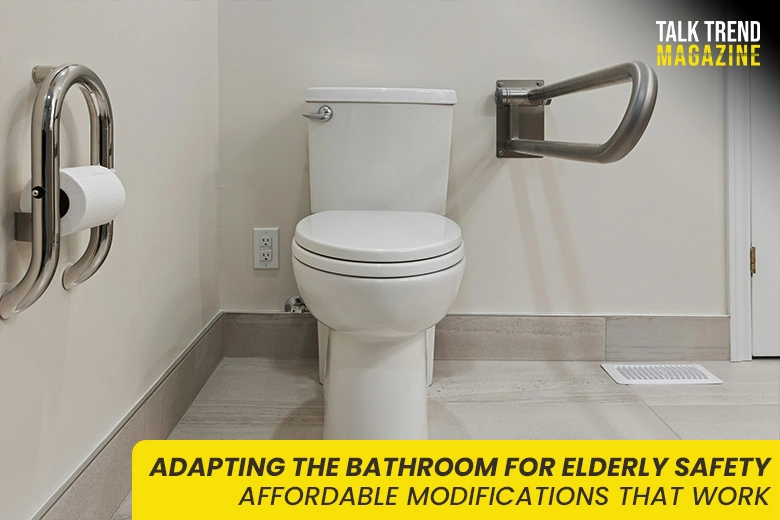
Occupational therapists suggest beginning by removing tripping hazards such as loose rugs or floor items that obstruct walker or cane paths. They recommend installing grab bars near the shower, entrance, and beside the faucet for support, and placing a non-slip mat in the shower to reduce sliding.

Experts propose a raised toilet seat that attaches securely to standard toilet bowls. A toilet frame can also provide added support for sitting and standing. Using a shower chair or transfer bench for bathtub access, combined with a handheld shower head, allows safe bathing in a seated position.

Lighting changes also matter, and professionals recommend nightlights or brighter bulbs for safer navigation. Because many older adults require help with personal care tasks, modifications should support caregiver involvement as well. CareSphere notes that home care enables people who need assistance with daily activities to remain safely at home.

When safety equipment accounts for shared movement space, caregivers can assist without crowding or straining themselves. This also prepares the space for routine care tasks. Many families pair these physical changes with trained caregiver assistance.

In-Home Support and Safe Bathroom Routines

Modifications alone cannot remove all risks. Many aging adults still need help with bathing, dressing, and transferring safely. When support is inconsistent, bathroom routines become risky.

You may struggle to assist a family member if you lack training or strength. Trained caregivers can support safe bathroom mobility and routines. They help older adults maintain balance, transfer safely, and use equipment correctly. Their support lowers the chance of slips caused by fatigue or sudden imbalance.

Caregivers also identify hazards early. They may notice changes in walking speed, reaction time, or grip strength before injury occurs. This helps you adjust routines or add equipment as needs grow. Even when products are in place, some older adults hesitate to use them or rely on unsafe habits.

A caregiver reinforces safe practices and checks that devices such as grab bars are used properly and consistently. You can also create routines that reduce fall risks without major expense. Encourage your loved one to keep essentials like towels and toiletries within easy reach.

Make sure wet floors are dried immediately. Schedule bathroom use to avoid late-night trips when visibility is poor. Teach slow, steady transitions between sitting and standing to avoid sudden loss of balance. Regular supervision during bathing and toileting provides another layer of safety.

Budget-Friendly Tools and Safety Tech

Low-cost tools and simple technology add another layer of protection. Help buttons enable seniors to call their loved ones for assistance whenever they fall. Some devices send alerts to you or a caregiver when pressed.

Motion-activated lights remove the need to search for a switch in the dark. Good visibility reduces missteps. A handheld shower head also makes bathing easier from a seated position, reducing the need for twisting and leaning. This decreases strain on joints and muscles.

Some families install inexpensive sensors that detect inactivity in the bathroom. If someone does not exit within a normal time window, the device alerts a caregiver. These tools improve response times without requiring expensive monitoring systems.

Focus on usability by choosing devices that are easy for your loved one to operate. Many accidents happen when tools are confusing or too complex. Effective bathroom safety combines simple equipment with consistent use. This prevention matters, as the senior population with disabilities will rise in the coming decades, according to KFF Health News.

The U.S. health system isn’t prepared to meet these growing needs. Gaps became clear during the pandemic, when many older adults struggled to access treatment. This reinforces why preventing bathroom injuries at home is a priority, especially for families trying to avoid emergency medical costs.

People Also Ask

1. Can bathroom safety changes help seniors stay independent longer?

Accessible bathroom features reduce the physical strain of bathing, standing, and transferring. With safer layouts and equipment, older adults can complete more daily activities without constant supervision. This lowers fall risks and delays the need for long-term care, helping them remain in their own homes longer.

2. What is the safest type of flooring for elderly bathrooms?

Slip-resistant flooring materials like textured vinyl, rubber flooring, or small tile with wide grout lines improve traction when wet. These surfaces help prevent sliding compared to smooth tiles. Choosing flooring with a matte finish and installing it in both wet and dry areas supports safer movement for older adults.

3. What bathroom layout changes improve safety for seniors?

Wider pathways, open shower entryways, and reachable storage reduce awkward movements and slipping hazards. Removing clutter near doorways and sinks helps avoid tripping. Designing the bathroom so that essential items can be reached without bending or stretching supports safer daily use for older adults.

Bathroom safety depends on understanding mobility limits and addressing hazards before injuries happen. Affordable changes such as grab bars, lighting improvements, and shower seating reduce fall risks. Caregiver support strengthens these efforts by helping with safe bathroom routines and mobility.

Technology and low-cost alert tools can provide fast responses during emergencies. When you take these steps, you improve safety and dignity for your loved one. You help them continue living at home with confidence.

It’s tragic to think that there are still people who consider hobbies to be insignificant. To them, hustling in life is more important than “fun hobbies.” Here’s the thing: Depending on the activity, hobbies are also good for health.

UCLA Health shares that people of all ages who spend time on activities they enjoy report better mental health and higher life satisfaction. Such people are less likely to suffer from anxiety or depression.

For seniors in particular, meaningful hobbies can keep the spark in their lives burning bright. If you have a senior loved one at home, it’s time to encourage their dearest passions. This article will explore how to do so through practical strategies. We have also curated a list of hobbies that will lift seniors’ spirits and enhance their quality of life.

Why Personal Hobbies Matter

Would you be surprised if a senior member in your family wants to enjoy some personal time for hobbies? Many people do see hobbies as a way of ‘killing time.’ On the contrary, it is hobbies that keep spirits high and life enriched, especially after 60.

It’s true that after a certain age, even daily chores can seem as mammoth a task as climbing Mount Everest. As Caring with Integrity Home Care shares, managing household bills or just keeping the kitchen tidy can suddenly feel like running a marathon. However, staying engaged in activities that bring joy does help maintain a sense of purpose and identity.

Plus, it’s possible to get meaningful support that helps keep seniors steady and independent in their own homes. Speaking of hobbies, an international study of 84,267 adults aged 50+ across 24 countries had some interesting findings. It showed that folks who regularly engage in hobbies have better memory and overall brighter brain function.

So, keeping your mind and hands busy is more than just fun. It is also scientifically smart, even and especially for older adults. Here are the major benefits seniors can derive from personal hobbies:

  • Mental stimulation: Regular participation in personal hobbies keeps the memory sharp and attention alive. Think of it like a gymnasium for the brain.
  • Emotional well-being: Hobbies offer a platform for creative expression, thereby reducing feelings of depression and anxiety.
  • Social engagement: Many hobbies can be shared with others, and these provide a sense of belonging and social connection.
  • Sense of purpose: When seniors complete a task or learn a new skill, it builds confidence and solidifies a sense of purpose in them.

Be it for children, adults, or even older adults, hobbies are not merely pastimes. They may be the key that unlocks a higher quality of life for all age groups.

Practical Ways to Encourage Hobbies at Home

Do you have a senior at home who would like to pursue their hobbies? Then, you can do more than set out craft supplies or a crossword book. Encouraging hobbies at home is all about creating an inviting environment for engagement and fun.

Make hobbies an enjoyable part of daily life, and your senior will be more likely to stay physically active and emotionally fulfilled. On that note, here are a few practical strategies to make hobbies feel rewarding:

Create Inviting Hobby Zones

It’s true that the atmosphere is capable of changing one’s mood. Going by this principle, you may have to designate zones based on seniors’ hobbies. So, think along the lines of a cozy nook for art supplies or a well-lit table for puzzles and card games.

A dedicated space sends the message that hobbies are intentional and valuable. If you want to go a step ahead, decorate the space with photos or inspirational quotes for that personal touch.

Offer to Help With the Setup

A fun and natural way to bond with seniors is to help them out with their tools and explain new techniques. However, allow them to make creative choices. After all, autonomy and independence fuel pride.

This will provide them with the social connection they need. Plus, clear labeling and easy storage reduce frustration, making the project feel fun.

Bring in Technology as a Bridge

You can even use tablets and simple applications to introduce seniors to virtual classes and online communities. This can be an extension of the hobby itself.

How about watching a painting tutorial together before trying it out? Even a music session online can add variety and connection to the dedicated hobby hours.

Use Structure to Sustain Engagement

One of the most important things to do is to make the hobby a part of the senior’s daily routine. Encourage them to schedule this time based on their convenience. You can suggest creative hours, such as after breakfast or before supper.

It’s even possible to make it a weekly thing, say, a board game once a week. Routines do become lasting habits, and they will offer older adults something exciting to look forward to on a daily or weekly basis.

Celebrate Progress

No matter how small, acknowledge and celebrate your senior’s milestones. When they finish a painting or complete a garden task, they will likely want someone to recognize their efforts.

Allowing them to proudly display their creations will boost confidence and engagement. Compliments from family and friends will matter the most.

Popular Hobbies That Seniors Enjoy

Certain hobbies naturally resonate with older adults because they combine comfort, creativity, and emotional rewards. Such activities meet seniors where they are and honor their pace of life and energy. Here is a breakdown of the most enjoyable hobbies for seniors:

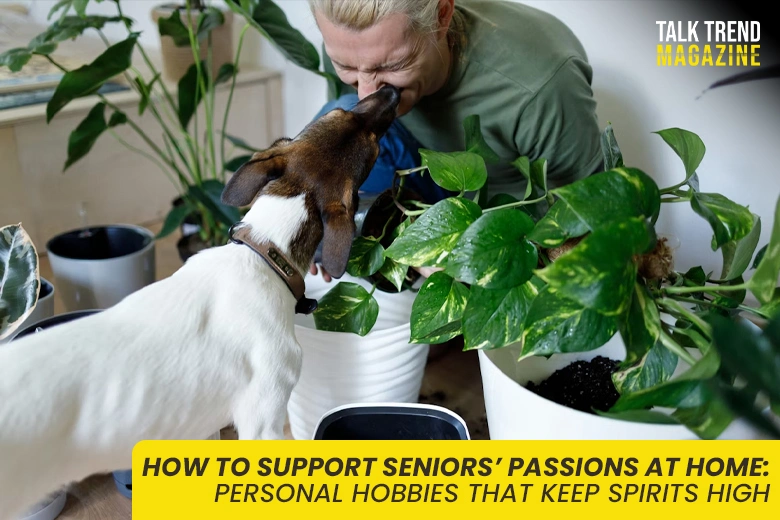
Gardening

Seniors often gravitate towards gardening, as to many, this activity reminds them of their childhood days. Moreover, gardening provides a strong connection with nature and is deeply grounding.

With gardening as a hobby, seniors can experience the following benefits:

  • Emotional well-being because nurturing plants reduces stress and anxiety.
  • Cognitive stimulation, as is required to remember watering schedules and seasonal needs.
  • Better physical activity since gardening does require light movements like stretching and walking.
  • A sense of purpose as seniors get to tend to plants that depend on them for their nourishment.

Arts & Crafts

Arts and crafts also appeal to seniors because they combine creativity and a sense of accomplishment. The most appealing aspect is that this activity does not require perfection. There are no strict rules or deadlines.

A painting may look completely different from what a senior expected, and yet be rewarding to complete. From a mental health viewpoint, particularly, arts and crafts provide the following benefits:

  • They stimulate the brain through color choice and pattern recognition.
  • They encourage mindfulness, allowing seniors to stay grounded and present.
  • They may also lower stress hormones by promoting relaxation and emotional balance.

Music

Seniors are often transported back to their good old days with a single familiar track, right? This is why many take up music as their hobby. Some enjoy listening to familiar music, whereas others may take up singing classes or music therapy sessions. All in all, the following benefits can be expected:

  • Emotional stability, as music is known to lift one’s mood and reduce stress.
  • Better memory, as songs from previous decades often trigger vivid past moments.
  • Improved physical health, which is mainly seen in those who gently sway with the music or indulge in light dancing.

Puzzles & Games

This is among the most mentally stimulating hobbies for seniors to enjoy. However, the enjoyable aspect comes from the fact that there is no pressure involved. Seniors are free to complete quizzes and puzzles at their own pace.

Most importantly, they can work their way up to harder levels for a sense of accomplishment. Let’s look at the key benefits puzzles/quizzes offer:

  • Cognitive health improves as puzzles require good attention and problem-solving skills.
  • Quizzes and puzzles train concentration without overwhelming the mind.
  • Group games can also be played to reduce loneliness and foster bonding.

Cooking/Baking

Cooking or baking often holds deep emotional value for seniors. Again, these are activities tied to their tradition and identity. Preparing familiar dishes can instantly transport them back to meaningful moments, including family gatherings and cultural celebrations.

Now, let’s take a look from a practical perspective. Here are the powerful benefits of cooking/baking:

  • Seniors feel useful and needed, even if the activity involves small tasks like mixing ingredients or seasoning food.
  • The process of following recipes and timing each step enhances brain function.
  • Activities like kneading dough and decorating pastries also improve fine motor skills.
  • Cooking naturally invites conversations and storytelling, which can be a bonding activity with caregivers and grandchildren.

Meaningful hobbies make daily life enjoyable, and they support physical and mental well-being. Seniors need at least two or three well-loved hobbies that can be engaged in from time to time. As they age further, these will help them feel valued and cherished.

Today, more Americans are entering their senior years than ever before. As of 2024, nearly 61.2 million people were aged 65 or older in the country. This figure has continued to grow with the growing age of Baby Boomers.

With such a population of older adults, hobbies are a must to help them stay independent and fulfilled. As they do so, caregiving families can also enjoy deep reassurance and peace of mind. 

Meet Susan. She has three children, a dog, and two cats. For Susan, life has been confusing lately. She sometimes calls out for her beloved husband Clive in the middle of the night. At other times, she wakes at 4 am and prepares Little Timmy’s breakfast.

Her reality mimics memories from her childhood, marriage, and her kids. The truth is that Susan has dementia. She doesn’t recall that Clive passed on several years earlier, or that Little Timmy is now Big Timmy, a grown man with his own family.

Timmy visits his mom, and sometimes tears up when she looks at him as if he were a stranger. He watches as she slowly disappears into herself; the light gone from her eyes and replaced with fear.

Families all across the globe experience the same sense of dread when their elderly loved ones lose their lust for life. Their actions become slower. They forget what day it is. Small missteps turn into big accidents.

They can’t be left on their own. What’s the alternative?

You could either place them in a nursing home or hire a caregiver. Choosing the latter seems to be the best option. Your parent or loved one stays in a familiar space and holds onto their agency for longer. But the transition from independent living to home care isn’t a smooth ride.

We’ll explain more below.

Spotting the Signs: When It’s Time to Consider Home Care

It’s completely normal to feel unsure about whether it’s the right time to consider home care. Most families wrestle with this decision, and hesitation is part of the process.

The need for additional support becomes clearer through subtle but consistent changes in daily activities.

Health is usually one of the first indicators. You may notice your loved one struggling to manage medications, skipping meals, or finding personal hygiene more difficult.

Safety concerns can also start to surface, such as frequent falls, near misses, or moments of confusion around familiar routines. These aren’t one-off incidents; they’re signals that extra support could make life safer and less stressful.

Emotional well-being matters as much. Social isolation and loneliness can quietly take a toll, specifically when outings, hobbies, or regular social interactions begin to fade.

At the same time, family caregivers may start feeling stretched thin. If you or others are exhausted and overwhelmed, that’s a sign that the current arrangement may not be sustainable.

A Bridge Between Independence and Support

When someone transitions from independent living to home care, they’re not giving up on independence; they’re expanding it with support that fits their needs.

Quality care is provided by a trained caregiver coming into the home to help with tasks, from personal care and meal prep to transportation and companionship.

TruCare explains that this is exactly what home care agencies aim to provide. Think of it as compassionate assistance right where your loved one feels most comfortable.

Step-by-Step Guide

Talk Openly and Honestly

This is the emotional cornerstone of a successful transition. Sit down with your loved one and have a calm, respectful conversation about what’s changing and why.

Focus on their goals: staying safe, healthy, and connected. Asking about their preferences gives them a voice in the process. Some families find it helpful to revisit these discussions over time, letting ideas settle rather than forcing decisions in one sitting.

Understand Your Options

There’s no one-size-fits-all solution. Two broad ways to bring care into the home are:

● Agency-based care: Caregivers are hired through a licensed agency that handles vetting, training, and scheduling.

● Independent caregivers: You hire directly and oversee hours, payroll, and coordination.

Get Professional Guidance

Transitioning to home care doesn’t mean going it alone. There’s a plethora of online resources and communities that offer insight into hiring, planning, and coordinating care services so you feel confident and informed.

This kind of guidance can be reassuring when you’re trying to balance emotions and practicalities.

Prepare the Home Environment

Once you’ve chosen home care, take a little time to adapt the living space so it feels safer and easier to navigate.

Removing loose rugs can reduce the risk of trips and falls, while adding grab bars in bathrooms provides extra support where slips are likely to happen.

Improving lighting throughout the home helps prevent missteps. Rearranging furniture creates clearer walking paths for both your loved one and their caregiver.

Foster Warm Handoffs Between Caregivers

One challenge professionals talk about is communication across care settings.

A thoughtful handover between hospital discharges or different caregivers, where one provider shares detailed information with another, leads to better outcomes. According to experts, warm handoffs combined with clear communication help build confidence and continuity as care responsibilities shift.

You’re Not Alone in This

Making the move from independent living to home care is a transition of the heart as much as it is logistics. It’s about adjusting expectations, protecting dignity, and ramping up support systems.

Every family approaches these changes differently, and that’s OK. Patience, kindness, and planning make a difference for your loved one’s well-being and your peace of mind.

Chronic pain is common in seniors and can affect every aspect of life, from walking and sleeping to socializing and eating well. A Springer Journal study highlights pain among the elderly. Data shows that 28.50% of the participants in the survey reported no pain, while 45.06% said that they experienced moderate pain. Also, 26.44% reported severe pain.

Age can compound the pain, but medications are not an ideal solution. Side effects and dependency may happen down the line. The harm can be greater for seniors, making it essential to seek safer alternatives. Non-pharmaceutical strategies are now strongly recommended as first-line options for many older adults.

However, these methods work best when tailored to the senior’s mobility, medical conditions, and personal preferences. In this article, we will explain some non-pharmaceutical approaches that are effective and safe.

Gentle, Low-Impact Workouts

The University of California notes that seniors with chronic pain may benefit from physical activity. The best exercises recommended for them are walking, water aerobics, strength training, yoga, gardening, and tai chi. These low-impact movements can lower pain intensity and improve function. Additionally, they build strength, flexibility, and balance.

Being active lowers joint stress, reduces fall risk, and often allows seniors to rely less on pain medication.​ Good starting options include short daily walks on flat, safe surfaces, chair exercises, and resistance bands. Tai chi or gentle yoga classes designed for seniors, which have proven benefits for pain, balance, and mood.​

A physical therapist or certified senior fitness trainer can create a safe program. According to carechoice.com, professional caregivers can help them with daily tasks, including physical activity, as part of a personalized care plan. Consistency and gradual progress matter more than intensity.

Massage Therapy

Massage therapy is a well-established non-drug option that can help seniors struggling with chronic pain. It can reduce muscle tension, improve circulation, and provide short- to medium-term relief for back, neck, and joint pain. However, geriatric massage requires caution to prevent side effects.

In older adults, gentle techniques such as Swedish massage or light myofascial release are generally preferred. These techniques reduce the risk of bruising or aggravating fragile tissues in aging adults.​

Benefits go beyond pain relief, including reduced anxiety, improved sleep, and a stronger sense of well-being. These factors contribute to better pain tolerance. Seniors should look for therapists experienced with geriatric clients and share any diagnoses, such as osteoporosis, blood thinners, or diabetes. This enables therapists to adapt pressure and positioning safely.

Heat and Cold Application

Thermotherapy (heat) and cryotherapy (cold) are simple, low-cost methods that many seniors can use at home with minimal risk. According to a ScienceDirect study, heat therapy is recommended by 86.5% of experts due to its effects and safety profile. It is ideal for addressing neck pain and chronic back pain.

Heat, such as heating pads, warm compresses, or warm showers, reduces stiffness, relaxes tight muscles, and improves blood flow. Conversely, cold packs can numb sharp pain, lower inflammation, and reduce muscle spasms. They are particularly helpful after activity or in flare-ups of joint or soft tissue pain.​

When applying hot or cold compresses, use a cloth barrier between the skin and the packs. Limit each session to about 15–20 minutes and check the skin regularly. Avoid extreme temperatures in people with poor sensation or circulation, such as those with advanced diabetes or neuropathy.

Psychological Approaches

Chronic pain is shaped not just by the body but also by thoughts, emotions, and past experiences. This is the reason why psychological tools are effective when it comes to addressing it. According to an IntechOpen study, for the elderly, chronic pain can exacerbate psychological conditions, such as insomnia, depression, anxiety, and loss of quality of life.

Approaches like cognitive behavioral therapy (CBT) help seniors defy chronic pain with balanced and actionable thinking. This can help them cope better and avoid distress, despite chronic pain. Mindfulness-based stress reduction (MBSR) is also recommended.

Mind–body practices such as mindfulness meditation, relaxation breathing, guided imagery, and hypnosis can give meaningful reductions in pain intensity for older adults. Group programs or telehealth sessions can also reduce loneliness and provide education about pacing, goal-setting, and flare-up management.

FAQs

What is the best natural remedy to address chronic pain?

There is no single “best” natural remedy, but evidence consistently supports a holistic approach. This includes a combination of gentle exercise, psychological approaches, and physical methods such as heat, cold, and massage. Mind–body activities like tai chi or yoga offer sustainable benefits in older adults.

How can pain medications harm seniors?

While pain medicines are sometimes necessary, seniors are more vulnerable to side effects. These include drowsiness, confusion, constipation, dizziness, falls, and drug interactions. Opioids increase the risk of falls, fractures, hospitalizations, and even death. Similarly, long-term NSAID use can cause stomach ulcers, bleeding, kidney problems, and blood pressure changes.

What is the simplest pain-relieving technique?

One of the simplest techniques is alternating rest with short bouts of gentle movement/ This can be combined with basic heat or cold packs applied safely to painful areas. Slow, deep breathing or brief mindfulness exercises can be added anywhere. Together, these practices can reduce muscle tension and help the nervous system “turn down” pain signals.

Besides these natural therapies, pain management in the elderly also hinges on some simple yet effective lifestyle changes. A balanced diet and anti-inflammatory foods can alleviate pain. Seniors suffering from chronic pain can also benefit from restful sleep. Socialization, learning new skills, and pursuing creative activities bring positive distractions and improve the quality of life. The best part is that all this is possible without popping painkillers that do more harm than good.

Home care professionals are essential in assisting clients and their families with daily tasks and routines. Trust develops when caregivers communicate clearly, act honestly, and actively involve clients in care decisions. In settings with vulnerable populations, transparency serves as a cornerstone for strong, lasting relationships.

According to IBISWorld, there are now approximately 507,000 home care businesses across the US. The sector has experienced an average annual growth of 5.9% between 2020 and 2025, reflecting rising demand for reliable, high-quality care services. This growth emphasizes the importance of trust and transparent communication for sustained client satisfaction.

Clients and their families gain confidence when care teams communicate openly and share updates promptly. Clear communication ensures that families feel involved and confident in the decisions affecting their loved ones. This blog post aims to explore how home care providers can build trust through transparency and effective communication strategies.

Active Listening and Empathy

Open and effective communication is fundamental to developing strong, trusting relationships between home care clients and their caregivers. Providers of senior care services benefit when families receive consistent updates about daily routines, medication schedules, and care goals. Transparency fosters confidence in clients, showing that their preferences and needs are respected.

According to AmeriBest Home Care, families feel more secure when care providers offer regular updates and detailed explanations of services. Caregivers who maintain proactive communication reduce misunderstandings and promote smoother coordination among family members.

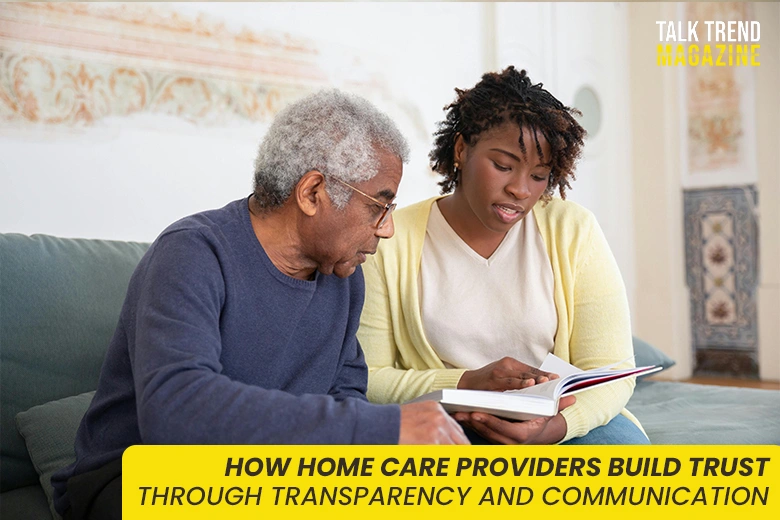
Home care involves intimate, daily interactions that require honesty and clarity at every step. Explaining care decisions and keeping clients informed ensures they feel respected and valued. Regular communication can prevent confusion and reduce anxiety for both clients and family members. Trust grows naturally when transparency is integrated into every aspect of care delivery.

Two-way communication is equally important for understanding client needs and concerns. Listening actively to clients and responding to questions demonstrates genuine engagement. Providers who encourage dialogue create a collaborative environment that improves client experience.

Consistent and Clear Communication

Home care requires daily, close interactions that demand honesty, clarity, and patience from caregivers. Clearly explaining care routines, medication instructions, and daily activities helps clients feel valued and respected. Consistent transparency naturally strengthens trust and satisfaction in every interaction.

Ongoing coaching and feedback further reinforce communication consistency across the care team. Caregivers learn to handle sensitive topics professionally while maintaining warmth and compassion. Regular evaluation of communication skills helps identify gaps and provides opportunities for improvement. This continuous development encourages a collaborative and transparent home care environment.

Moreover, effective communication is especially important when older adults face barriers that can limit understanding and engagement. A review of 75 articles published on ResearchGate identified key factors influencing communication for older adults. Medical issues like memory disorders and sensory difficulties, including hearing challenges, can greatly impact effective communication in older adults.

Personal factors, including language differences, and environmental aspects, like limited access to assistive technologies, also play important roles. Recognizing these factors helps caregivers adapt strategies and ensure older adults remain understood and engaged.

Technology for Enhanced Transparency and Trust

Technology can support transparency in home care by providing real-time updates to clients and families. Digital care records, protected messaging tools, and online scheduling systems enable caregivers to communicate precise and timely information. When families have access to these updates, they feel more involved and confident. Clear, timely communication strengthens trust and reduces uncertainty about daily care routines.

Using technology also improves accountability and accuracy in care documentation. Electronic records minimize errors in medication management and activity tracking. Families and clients can review details at any time, which enhances understanding. This approach encourages collaboration between caregivers, clients, and family members.

However, technology must be introduced thoughtfully, respecting client privacy and comfort levels. Caregivers should provide guidance and training to ensure everyone uses tools effectively. Tools should complement, not replace, personal interactions. Balanced use of technology reinforces transparency without creating confusion or stress for clients.

Moreover, leveraging technology aligns with many older adults’ growing comfort with digital tools. New AARP research indicates nearly eight in ten older adults feel technology improves convenience and efficiency. About one-third of respondents over age 50 rely on multiple apps, devices, and advanced features daily. Integrating these tools in home care enhances communication and trust while respecting client preferences.

Collaborative Care Planning and Shared Decision Making

Collaborative care planning empowers clients and families to actively participate in care decisions. Involving them in goal setting, routines, and daily choices improves satisfaction. Clients feel respected when their preferences are incorporated into care plans. Open communication during planning strengthens trust and promotes a positive care environment.

Shared decision-making reduces misunderstandings and aligns expectations between caregivers, clients, and families. Discussing options, potential risks, and benefits ensures everyone understands the care process. Encouraging questions and feedback demonstrates respect and values client input. This approach fosters confidence in the care being provided.

Regularly reassessing care plans ensures they stay aligned with clients’ evolving needs and priorities. Caregivers can modify routines, objectives, and interventions according to client input and evolving conditions. This ongoing collaboration reinforces transparency and allows families to stay informed. Continuous engagement builds strong, trusting relationships over time.

Planning for long-term care remains challenging for many older adults. The National Poll on Healthy Aging found nearly half do not know how to plan for future care. Adults aged 50 and older most often preferred care at home with family or friends (52%), followed by paid caregivers at home (21%). Structured discussions and guidance enable clients to understand their options and make well-informed choices regarding long-term care.

FAQs

1. How can technology help monitor client safety in home care?

Modern technology can track client movement and detect falls immediately, sending alerts to caregivers without delay. Remote monitoring devices also provide families with real-time updates, giving reassurance about their loved ones’ well-being. Using these tools effectively preserves client independence while enabling proactive safety interventions.

2. What strategies do home care agencies use to reduce caregiver burnout?

Agencies implement regular breaks, structured mental health support, and workload management strategies to prevent caregiver fatigue. Training programs also equip staff with techniques for coping with stressful situations effectively. Promoting caregivers’ well-being enhances their job satisfaction and helps maintain reliable, high-quality care for clients.

3. How do agencies measure client satisfaction in home care services?

Home care agencies collect data using surveys, feedback forms, and structured interviews to evaluate client experiences consistently. Reviewing client feedback allows agencies to pinpoint improvement opportunities and track the effectiveness of their services over time. Tracking satisfaction allows agencies to maintain high-quality services that focus on clients’ needs and adapt to changing circumstances.

Transparency and communication form the backbone of trust in home care services. Through clear conversations, consistent updates, and genuine engagement, providers demonstrate respect and reliability. Investing in communication training, thoughtful technology, and collaborative planning enhances client confidence.

If you follow celebrity lifestyles, you already know they love chasing the next big thing. Trends change fast in their world, but the desire to grow wealth while enjoying life never fades.

Globally, the luxury goods market, as of last year, is worth over $390 billion. However, celebs aren’t just interested in luxury goods; they are interested in luxury investments. And as we move closer to 2026, the luxury investment scene is shifting again.

Celebrities are putting their money into experiences, rare assets, and global opportunities that feel personal and exciting. This year will be all about smart choices that still feel indulgent.

Let’s take a closer look at the luxury investment trends that will be popular among celebrities in 2026.

#1 Rising Interest in Ultra Premium Travel Experiences

Travel has always been a top luxury category, but 2026 is shaping up to be different. Celebrities are no longer satisfied with simple luxury vacations. They want curated journeys that feel unique and private.

Think remote island escapes, tailored wellness trips, or private expeditions that focus on personal goals. Many are choosing travel investments that double as long-term lifestyle assets.

A luxury membership to an exclusive travel club now feels like a smart investment because it guarantees comfort and privacy. There is also a growing trend of celebrities investing in boutique hotels or wellness resorts. They love the idea of owning a part of a destination that already inspires them. It allows them to enjoy the place themselves while earning a return from travelers who want something similar.

#2 International Luxury Real Estate Investments

Real estate has always been a celebrity favorite, but 2026 brings a shift toward global luxury markets. Celebrities want properties that offer privacy, status, and long-term security. Investing in the international luxury real estate market gives them access to unique homes and strong financial opportunities. These properties also become personal retreats for vacations or work breaks.

A major highlight for 2026 is the rising interest in Dubai. Celebrities are now exploring Dubai investment properties because the market continues to offer excitement and stability. Many are drawn to investment properties in Dubai due to the strong Real estate investment climate.

Celebrities like David Beckham, Michael Schumacher, Madonna, and Roger Federer are already investing in various properties in Dubai. As seen on RD Dubai, such properties offer stunning architecture and impressive returns. Some celebrities buy property in Dubai for personal use, while others treat each investment property as part of a broader global strategy.

Globally, real estate developers are building new luxury properties that attract buyers who want qualities like comfort and innovation. The appeal is clear because these properties combine lifestyle and investment in a smooth way.

#3 Growing Demand for Collectible Cars and Rare Vehicles

Collectible cars are making a big comeback among celebrities. The thrill of owning a rare vehicle never really disappears. However, the market in 2026 is becoming more focused on value and history.

Celebrities now look for models that come with a story or a place in pop culture. Vintage electric concept cars are also getting attention because they mix nostalgia with forward thinking. These vehicles feel like art pieces that happen to move.

Many celebrities are building personal collections that reflect their personality. They want cars that match their style and offer long-term appreciation. The emotional attachment plays a huge role here. They love the feeling of stepping into something that feels iconic.

#4 More Celebrities Investing in Fine Art with Personal Meaning

Fine art has been a classic luxury investment, but celebrities are taking a more personal approach in 2026. Instead of buying trendy pieces, they now look for art that feels meaningful.

Many choose pieces created by artists they admire or works that connect to their own story. The goal is to blend emotional value with financial appreciation. Art that feels personal will always stay important to them, even if market shifts occur.

The rise of digital art has also changed the landscape. Celebrities who enjoy technology are exploring new formats that merge creativity and innovation. These pieces offer a fresh style that blends visual appeal with long-term value.

The art market is still steady, but the taste of each investor is now playing a stronger role. It makes the process more fun and less stressful because they follow their heart while still investing smartly.

Luxury investments in 2026 are shaping up to be bold, personal, and global. Celebrities are no longer buying things just to show them off. They want investments that reflect who they are and what they care about. As the year unfolds, these trends will influence celebrities and anyone who loves the idea of combining passion and profit in one smooth move.