Category: Latest Trends

Looking for a quick way to kill time during your lunch break, or just need a hit of 70s nostalgia? You’ve probably stumbled on Google Block Breaker. It’s one of those hidden gems that’s so simple, so addictive, and so accessible.

In this guide, we’re breaking down everything you need to know about this modern tribute to Atari Breakout, from how to find it to the “pro” moves that will have you topping your personal leaderboards.

How to Launch Google Block Breaker Instantly?

Getting into the action is as easy as a single search. You don’t need to download an app or create an account—Google Block Breaker online is all built right into your browser.

The Quick Search

Simply head to the Google search bar and type “Block Breaker” or “Brick Breaker.” A dedicated game card will appear at the very top of the results page. Just hit the large blue Play button to begin.

The “Atari Breakout” Legacy

For a trip down memory lane, search for “Atari Breakout.” While the original 2013 “Image Search” version has been moved, Google often provides a playable tribute right in the search results or a link to the official Google Doodle archive.

The elgooG Mirror

If you want the classic experience of Google Block Breaker, where your image search results literally turn into the bricks you have to smash, visit elgooG.im/breakout/. It’s a perfect recreation of the original Google Block Breaker easter egg that started it all.

Mobile Shortcuts

If you’re in the Google App (iOS or Android), you can find it by tapping the “Entertainment” or “Games” tab, or simply by searching for the same terms mentioned above.

Offline Play

Once the game card has loaded in your browser, it often stays playable even if your Wi-Fi drops out—making it a great “airplane mode” companion.

Which version do you prefer—the modern neon look or the classic image-brick style?

Google Block Breaker Controls for Every Device

The beauty of this game is its “pick up and play” nature. Whether you’re on a laptop or a phone, the controls are intuitive:

  • On Desktop: Use your Mouse to slide the paddle horizontally, or use the Left/Right Arrow Keys for precise movement. Launch the ball with the Spacebar or a simple click.
  • On Mobile: Just Swipe or Drag your finger along the bottom of the screen to guide the paddle.

Pro Tip: If you’re playing at work, look for the Speaker Icon to mute those retro “bits-and-bops” sound effects.

Google Block Breaker Game-Changing Upgrades

It’s not just about bouncing a ball. Google Block Breaker added some modern flair with Key Features like falling power-ups that drop when you shatter specific bricks:

  • Multi-Ball: Splits your ball into three for chaotic, high-speed clearing.
  • Paddle Extension: Doubles the width of your paddle, making it much harder to miss a shot.
  • Lasers: Turns your paddle into a blaster, letting you shoot blocks directly—great for those stubborn corners.
  • Extra Lives: Look for heart icons to boost your chances of a long run.

Google Block Breaker Daily Challenges & Modes 

The “Daily” aspect of Google Block Breaker is all about testing your limits against a system that gets faster and smarter the longer you play. It’s not just about mindless bouncing; it’s a tactical marathon.

The 100-Level Gauntlet

The game features a massive progression system. As you clear screens, the block arrangements shift from simple horizontal lines to complex geometric patterns, shields, and “fortress” layouts that require precision shots to crack.

Adaptive Speed Ramping

This is the real challenge. Every time the ball hits your paddle after a certain number of bricks, the velocity increases. By the time you hit the higher levels, the ball moves so fast it becomes a test of pure twitch reflexes.

The “Perfect Clear” Goal

Many daily players set their own “Hard Mode” by attempting a Perfect Clear—finishing a level without losing a single life or missing a power-up. It sounds easy until the screen is filled with three balls moving at Mach 1!

Hidden Bricks

In later stages, you’ll encounter multi-hit blocks (which change color as you damage them) and indestructible silver blocks that act as obstacles you have to navigate around to reach the vulnerable bricks behind them.

The High-Score Reset

Since the game doesn’t save your progress permanently across different devices, the “Daily Grind” for most enthusiasts is seeing how far they can get in a single sitting before a “Game Over” sends them back to Level 1.

Do you think you have the reflexes to handle the ball at max speed, or do you prefer the slower early levels?

What is the World Record for Google Block Breaker?

Since the game is a browser-based Easter egg, there isn’t one “official” global leaderboard. However, the competitive community on sites like Speedrun.com tracks “High Score” and “Level Clear” records.

Community-verified achievements include scores as high as 896 points in short sessions, while some Reddit users have claimed marathon scores over 144,500 after hours of play.

Pro Tips to Level Up Your Google Block Breaker Game

Ready to move from casual bouncing to total board domination? If you want to see your name (or at least your score) climb higher, you need more than just quick reflexes. Use these Pro Tips to master the physics of the game:

Master the “English” (Spin)

The ball’s trajectory isn’t just random. If you hit the ball with the outer edges of your paddle while moving, you can “steer” it at sharper, more aggressive angles. This is essential for reaching those pesky corner blocks that a straight bounce just can’t touch.

Use the “Tunneling” Strategy

Don’t just clear the bottom row. Focus your fire on one specific vertical column until you punch a hole all the way to the top. Once the ball gets behind the wall, it will bounce rapidly between the top of the screen and the bricks, clearing dozens of blocks automatically while you simply wait at the bottom.

Prioritize Google Block Breaker Powerups

Not all drops are created equal. At high speeds, always prioritize the Paddle Extension (to increase your safety net) and the Lasers (to thin out the herd). Be careful with the Multi-Ball, though—it’s great for points but can be a sensory overload if you aren’t ready!

The “Focus Zone” Technique

Stop chasing the ball with your eyes. Instead, keep your gaze fixed on the lower third of the screen, just above your paddle. This gives you a wider field of vision to anticipate the ball’s return path, and reacting becomes a matter of muscle memory rather than panic.

Manage the Speed Cap

The ball speeds up every time it hits the top wall or a certain number of bricks. If you’re feeling overwhelmed, try clearing the lower bricks first to keep the pace manageable before you go for the high-impact shots at the top. 

Wrapping Up

Google Block Breaker is more than just a distraction; it’s a perfectly polished slice of arcade history available for free. Whether you have two minutes or two hours, it’s the perfect “brain break” to sharpen your reflexes and de-stress.

Ready to beat your high score? Search for “Block Breaker” now and see how many levels you can clear before the ball gets too fast!
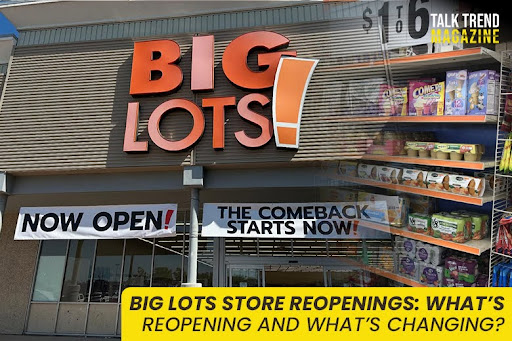

If you’ve driven past your local shopping center lately and saw the lights back on at Big Lots, you aren’t dreaming. After a rollercoaster year of bankruptcy filings and “Store Closing” signs, the discount giant is making a calculated comeback.

But this isn’t just the same old store. From new owners to refreshed aisles, here is everything you need to know about the Big Lots store reopenings.

Big Lots Store Reopenings: Who is Taking Over Big Lots?

When the news first broke about the company’s financial struggles, rumors flew faster than clearance items. Many shoppers asked, “Did Hobby Lobby buy Big Lots?” While that would have made for an interesting craft-meets-couch mashup, the answer is no. Hobby Lobby did not purchase the company.

Instead, the hero of this story is Variety Wholesalers. This retail powerhouse stepped in to acquire the brand, saving over 200 locations from permanent liquidation. Their goal? To strip away the fluff and return Big Lots to its “extreme value” roots.

Where are Big Lots Store Reopenings?

The phase of Big Lots store reopenings wasn’t a random, scatter-shot approach. The new owners focused on “high-performing” hubs. This applies especially in the South and East Coast.

Now, for Sunshine State shoppers, the most common question is: Which Florida Big Lots are staying open? Florida saw a significant number of rescues, especially in high-traffic areas like Orlando, Tampa, and Miami. While not every shuttered store made the cut, dozens of Florida locations have officially flipped their signs back to “Open.”

A New Look for the “New” Big Lots

Walking into a reopened Big Lots isn’t just a trip down memory lane—it’s a completely refreshed experience. Under the guidance of Variety Wholesalers, the “New” Big Lots has pivoted away from trying to be a high-priced furniture showroom and shifted back to its roots: being a treasure hunter’s paradise.

If you’ve visited a location lately, you’ve likely noticed these major upgrades:

The Return of the “Extreme Value” 

The biggest change in Big Lots store reopenings is the inventory strategy. The new leadership has leaned heavily into closeout buying. This means you’ll find famous name brands—from high-end skincare to pantry staples—at prices that genuinely compete with dollar stores and wholesale clubs. The goal is to make every aisle feel like a “limited-time deal” rather than a standard grocery run.

Fashion for the Whole Family

One of the most surprising additions to the Big Lots store reopenings is the expanded apparel department. While Big Lots previously dabbled in clothing, the new format features dedicated sections for men’s, women’s, and children’s wear. 

By focusing on trendy, budget-friendly basics and seasonal clearances, they are positioning themselves as a one-stop shop for busy families.

Smart Electronics & Home Tech

The “New” Big Lots has also beefed up its electronics section. Instead of just charging cables and off-brand headphones, many reopened locations now carry a rotating selection of home tech and small appliances. 

From air fryers and coffee makers to smart home gadgets, the focus is on providing high-utility items that offer the best “bang for your buck.”

A Streamlined “Boutique” Layout

Gone are the cluttered, overcrowded aisles of the past. The Big Lots store reopenings feature redesigned floor plans that are wider and easier to navigate, with a “Boutique-Style” approach to home decor. By grouping items by style (like “Modern Farmhouse” or “Urban Industrial”) rather than just by product type, they’ve made it much simpler for shoppers to coordinate a room makeover on a shoestring budget.

Consistency is King

One of the biggest complaints in years past was that every Big Lots felt like a different store. The Big Lots store reopenings waves have brought a new level of operational consistency. From the “Greeter” at the door to the organized checkout lanes, the focus is on a professional, reliable shopping experience that proves discount shopping doesn’t have to feel “cheap.”

The Bigger Picture: Are Malls Starting to Come Back?

The reopening of Big Lots isn’t just a win for bargain hunters; it’s a massive signal for the entire retail industry. 

For years, the headlines have been dominated by the “Retail Apocalypse,” with images of empty parking lots and shuttered storefronts. But as we look at these 200+ revived locations, a new question is surfacing: Are malls starting to come back?

The short answer? Yes—but they don’t look like they did in 1995. We are witnessing a “Retail Renaissance” where the old-school shopping mall is being reimagined for the modern world.

The Shift to “Value Centers”

The days of the high-end, exclusive fashion mall are fading, giving way to what experts call Value Centers. Big Lots store reopenings are shopping hubs anchored by retailers such as Big Lots, TJ Maxx, and Ross. Instead of just browsing, today’s shoppers are looking for “purpose-driven” trips. They want to grab groceries, find a deal on a new rug, and pick up a birthday gift all in one go. Big Lots’ return proves that brick-and-mortar is thriving when it focuses on affordability and convenience.

The “Experience” Economy

Malls are no longer just places to buy things; they are becoming community hubs. Many of the centers where Big Lots is reopening are also adding:

  • Dining & Entertainment: Replacing empty department stores with cinemas, pickleball courts, and upscale food halls.
  • Service-Based Retail: You’ll now see gyms, medical clinics, and even coworking spaces sitting right next to a Big Lots.

This “mixed-use” approach keeps foot traffic high throughout the day, providing stores with a steady stream of potential customers.

The End of the “Anchor” Myth

Historically, malls relied on one or two giant department stores to survive. When those closed, the mall died. Today’s successful shopping centers are diversified. With a strong “mid-sized” player like Big Lots taking over a significant footprint, landlords are finding they can maintain a healthy ecosystem without relying on a single, massive Macy’s or Sears.

Physical Stores Still Matter

Despite the rise of online shopping, Big Lots store reopenings highlight a simple truth: people like to touch things before they buy them. Whether it’s testing the firmness of a sofa or checking the quality of a new winter coat, the physical store provides an immediate satisfaction that a “Buy Now” button just can’t match.

The “New” Big Lots is a cornerstone of this movement. By taking over prime real estate in these evolving shopping centers, they are helping to breathe life back into the American suburbs.

Big Lots Store Reopenings: How to Find Your Local Store? 

Not sure if your neighborhood spot survived the cut? The best way to check is the official Big Lots Store Locator on their website. Many stores that didn’t reopen as Big Lots have been snatched up by competitors like Ollie’s Bargain Outlet, so keep an eye on those storefronts—a deal is likely coming there soon, one way or another!

If you’ve ever walked into a room in Spain, Mexico, or even a trendy café in Miami, you’ve likely heard the word “chicos” tossed around. What does “chicos” mean? It’s one of those Spanish “chameleon words”—it changes its color depending on where you are and who you’re talking to.

But is it just a way to say “boys,” or is there more to the story? Let’s break down the layers of this popular term, from being a slang word and kitchen staple to social etiquette.

What Does “Chicos” Mean? The Basic Literature

At its simplest, chicos is the plural form of chico. As a noun, it means boys, children, or young men. As an adjective, it means small or little. If you’re shopping for shoes in a Spanish-speaking country and they’re too tight, you’d say they are chicos.

So, what is a Chico slang term?

In the world of casual conversation, “chicos” is the ultimate social glue. What is a Chico slang? Most often, it’s used exactly like the English word “guys.”

Even if a group is made up of men and women, a Spaniard might walk up and say, “¡Hola, chicos!” to greet everyone at once. It’s friendly and informal, creating an immediate sense of belonging. In some places, like Argentina, you might hear teachers use chicos to address their students, regardless of whether they are five or twenty-five.

What Does “Chicos” Mean for a Girl?

You might be wondering: what does ‘Chico’ mean for a girl?

Grammatically, Chico is masculine. If you are talking about a girl, you use chica. However, in the plural (chicos), the masculine form acts as the “default” for a mixed-gender group. If you are specifically talking to a group of women, you would switch to “chicas.”

Interestingly, in the fashion world, Chico’s is a famous American women’s retail brand, adding another layer to the US’s identity!

The Etiquette Check: Is calling someone Chico disrespectful?

This is a common concern among language learners: Is calling someone “Chico” disrespectful?

Generally, no—but context is king.

When it comes to the “C-word,” the short answer is: it depends. While it’s rarely an “insult,” using it in the wrong setting can make you sound a bit condescending or overly familiar.

To avoid any awkward stares, here is how to gauge the room before you say it.

The “Age Gap” Rule

In most Spanish-speaking cultures, respect for elders is baked into the language.

Here’s the breakdown. 

Using chico or chica with someone your own age or younger. It’s like saying “hey man” or “hey girl.”

Using it with someone significantly older than you. If you call a 60-year-old man chico, it can feel like you are “talking down” to him, similar to calling a stranger “kiddo” or “son” in English. Stick to Señor or Don to stay in their good graces.

Service Industry Etiquette

A common mistake for travelers is using chico to get a waiter’s or shopkeeper’s attention.

Calling a waiter “¡Oye, chico!” (Hey, boy!) can come across as dismissive or even slightly arrogant, as if you’re treating them like a servant rather than a professional. Use “Disculpe” (Excuse me) or “Señor/Señora” instead. It shows you respect their work.

Regional “Friendliness” Levels

Where you are in the world changes the “respect meter”:

  • What Does “Chicos” Mean in Spain? 

Chico and chicos are used very liberally. It’s common for a bartender to call you chico regardless of your age—it’s just their way of being casual and “one of the gang.”

  • What Does “Chicos” Mean in Latin America? 

In countries like Mexico and Colombia, formal titles (Usted) are more common. Using chico with a stranger here might be seen as a bit too “forward” or “street” for a first-time meeting.

The “Small” Softener

If you really want to play it safe but still sound friendly, many people use the diminutive: chiquito or chiquita. Adding that -ito ending often removes the potential “bite” or disrespect from the word, turning it into a term of endearment or a gentler way to describe something small.

When in doubt, listen to how locals address each other. If they are tossing Chico around like confetti, feel free to join in. If the tone is more formal, keep your “chicos” for your close friends and family!

What Does “Chicos” Mean in Mexican Culture?

If you find yourself in a kitchen in New Mexico or parts of Northern Mexico, the word takes on a delicious new meaning. What does “Chicos” mean in Mexican culture?

If you wander into a kitchen in New Mexico or Northern Mexico and smell something smoky, sweet, and earthy, you’ve likely stumbled upon a pot of chicos. But don’t let the name fool you—in this context, we aren’t talking about “boys” or “kids.”

So, what are Mexican chicos? They are a traditional preserved corn product that represents a centuries-old culinary bridge between Native American and Spanish cultures.

The Art of the “Horno”

Making chicos is a labor of love that usually happens after the fall harvest. It’s not just “dried corn”; it’s steam-roasted corn. Here is how the magic happens:

The Oven: Whole ears of white or yellow sweet corn (still in their husks) are stacked inside a horno—a beehive-shaped outdoor adobe oven.

The Roast

The oven is heated with wood fire, then the embers are swept out. The corn is tossed in, the door is sealed with mud or wet sacks, and the corn steams in its own moisture overnight.

The Sun-Drying

The next morning, the corn is removed. The husks are peeled back, and the ears are hung to dry in the intense high-desert sun until the kernels are hard as pebbles.

The Flavor Profile: Smoky and Chewy

Because they are roasted over wood before being dried, chicos have a deep, smoky flavor that you can’t get from regular canned or frozen corn. When rehydrated, they don’t get mushy; they maintain a unique, “al dente” chewy texture that pops in your mouth.

How to Eat Them? 

You won’t find people snacking on dried chicos like popcorn—they are way too hard! Instead, they are a star ingredient in slow-cooked comfort dishes:

  • Chicos and Beans: The most iconic preparation. They are simmered for hours with pinto beans, garlic, and often a ham hock or salt pork.
  • Red Chile Stew: Many families add chicos to their red chile stews to add texture and a hint of sweetness that balances the peppers’ heat.

Why Chicos Matter? 

For many families in the Southwest, chicos are more than just food—they are a seasonal ritual. Because the process of roasting them in a horno is so time-consuming, they are often considered a delicacy, saved for special feast days or cold winter nights when you need a “taste of summer” to warm you up.

What Does “Chicos” Mean: The Bottom Line

So, what does “Chicos” mean? Whether you’re talking about a group of friends, a small pair of jeans, or a bowl of sun-dried corn, “chicos” is a word that packs a lot of culture into two syllables.

How are you planning to use the word? Are you trying to greet a group of friends, or are you looking for a traditional recipe? It depends on your intention. 

Trial preparation can make or break a case. Whether you’re an attorney or a defendant, the outcome of a trial hinges largely on how well you’ve prepared. Mistakes made during the preparation stage often lead to unfavorable results in the courtroom. Let’s explore five common trial preparation mistakes and how to avoid them to ensure your case is as strong as possible. When considering key aspects of trial prep, you might also want to consult professionals like those at blackledgeinvestigations.com, who specialize in providing critical investigative services to support your case.

1. Overlooking Crucial Details

One of the biggest mistakes that many trial teams make is overlooking crucial details. These could range from small errors in the case file to the failure to thoroughly review evidence. Even the smallest piece of overlooked evidence can change the entire trajectory of a case. Experts in trial preparation emphasize the importance of having a system in place for tracking every detail – whether it’s a document, witness statement, or even an email thread that may seem insignificant at first. For instance, a piece of physical evidence or an email from a witness might seem trivial, but it can often provide the critical link to your argument or theory of the case.

2. Weak Witness Testimony

Strong witness testimony can often be the key to winning a case, but weak testimony can easily sink your case. Many trials are lost due to witnesses not being properly prepared or failing to give clear, credible statements. Expert trial preparers suggest that you conduct multiple pre-trial mock sessions with witnesses to ensure that they can handle cross-examination and are prepared to remain calm under pressure. Without proper coaching, a witness might struggle to remember critical details or, worse, contradict previous statements.

It’s essential to rehearse your witnesses thoroughly and ensure that their testimony is solid. If a witness fails to perform under questioning, it can seriously weaken your case, and the opposition will likely exploit any inconsistencies. This is why expert trial preparation emphasizes preparation for not just the case itself, but for the witnesses who will play a crucial role in presenting it.

3. Not Anticipating the Opposing Side’s Arguments

Many lawyers make the mistake of not considering what the opposing side might argue in advance. By failing to anticipate the defense or plaintiff’s arguments, you leave yourself vulnerable to surprise tactics during the trial. Expert trial preparation strategies often include the practice of “thinking like the enemy.” This means exploring the case from all angles and identifying potential weaknesses in your own case that the other side might exploit.

Thoroughly evaluating the opposing side’s likely arguments allows you to counter their points in advance. This preparation can help prevent any surprises and give you the upper hand when presenting your own case.

4. Failing to Organize Your Evidence

A disorganized presentation of evidence can confuse jurors and make it difficult for the judge to follow your argument. Trial preparation experts highlight that the best trial advocates present their evidence in a logical, easy-to-understand way. Organizing your evidence – whether it’s documents, photographs, or videos – into a clear, chronological sequence can strengthen your argument.

In addition, having multiple copies of every piece of evidence for easy reference is key. You never know when you’ll need to present a specific piece in a hurry. If you have to spend valuable time flipping through files to find something important, you risk losing the attention of the jury and may even harm your credibility.

5. Forgetting About Bail Bond Services

When preparing for a trial, it’s important to consider all logistical aspects surrounding the process, including the defendant’s potential need for bail bonds. If you’re involved in a criminal case, securing bail might be crucial for a defendant’s ability to remain free while awaiting trial. Experts in trial preparation recommend that defendants and their families understand the role of bail bond services in the judicial process.

Bail bond services act as a bridge between the defendant and the court, allowing individuals to post bail and remain free until their trial begins. The importance of securing this service early cannot be understated, as it can offer significant peace of mind and allow the defendant to prepare more effectively for their trial. For those seeking reliable bail bond services, bailcobailbonds.com can provide the necessary assistance to navigate this crucial step.

Fun fact: Bail bond companies generally charge a fee of around 10% of the total bail amount, a figure that varies by state. Understanding this process can make a significant difference in the approach to trial preparation, as it provides time for the defendant to work closely with legal experts.

6. Ignoring Technology’s Role

In today’s world, technology plays an increasingly important role in the courtroom. Many attorneys still overlook the power of digital tools to present evidence, communicate with clients, and prepare for trial. Technology allows for better organization, more efficient communication, and effective use of multimedia evidence during the trial. Preparing for the trial includes understanding how to use digital tools effectively and ensuring all technology works smoothly.

From electronic evidence submission to utilizing trial presentation software, these tools can help you highlight key points in a visually engaging way. It’s also important to rehearse with any technology you’ll be using in the courtroom to avoid technical glitches during the trial itself.

Trial preparation is a complex and meticulous process, but avoiding these common mistakes can significantly improve your chances of success. Always be thorough with your details, ensure your witnesses are well-prepared, anticipate opposing arguments, organize your evidence, and don’t overlook essential services like bail bonds. With the right approach and careful attention to every detail, you can ensure a strong foundation for your case.

In today’s fast-paced business environment, scaling your workforce requires more than just hiring a large number of employees. It demands a structured approach to managing people, ensuring that the workforce is not only efficient but also aligned with the company’s goals. Whether you are growing your team or improving its current performance, managed HR support services can play a crucial role in helping you scale with confidence. From streamlined hiring practices to standardized performance management and turnover reduction strategies, outsourced HR support offers businesses the flexibility they need to thrive, with day-to-day employee processes managed for you.

1. Effective Hiring and Onboarding Practices

The foundation of any successful workforce lies in the hiring and onboarding process. As companies scale, the need for an efficient and consistent hiring process becomes paramount. Managed HR services help streamline the recruitment process, ensuring that businesses attract top talent, meet compliance requirements, and minimize potential hiring mistakes. By outsourcing the HR functions, companies benefit from expert knowledge in talent acquisition, reducing the time and costs typically associated with hiring.

Effective onboarding goes hand-in-hand with recruitment. Managed HR support services help craft a well-organized onboarding program that accelerates new hire integration, ensuring they feel welcomed, informed, and productive from day one. A great onboarding experience boosts employee engagement, lowers turnover rates, and helps new employees align with company culture quickly, reducing the risks of early-stage discontent.

2. Standardized Performance Management: Building Consistency and Growth

As companies scale, maintaining consistency in performance management becomes increasingly important. With a growing workforce, ensuring that performance evaluations are fair, transparent, and aligned with organizational goals can be challenging. This is where managed HR services truly shine.

By standardizing performance management processes, HR support ensures that every employee receives the necessary feedback to grow professionally. This includes clear goal setting, regular performance reviews, and the provision of constructive feedback. Having a structured system for managing performance also helps in identifying high performers, which aids in career development and succession planning.

Furthermore, a well-established performance management system allows businesses to track employee performance over time, measure their achievements, and make data-driven decisions when it comes to promotions, bonuses, and professional development opportunities.

3. Workers’ Compensation: A Positive Aspect of Employee Support

One often-overlooked aspect of workforce management is workers’ compensation. This safety net provides employees with benefits if they suffer work-related injuries or illnesses, which helps foster a positive and secure work environment. By having an efficient workers’ compensation system in place, businesses not only comply with legal requirements but also show employees that their health and safety are top priorities.

A strong workers’ compensation policy ensures that employees are supported during difficult times, which can ultimately increase loyalty and morale. For businesses, a well-managed workers’ compensation program can reduce the risk of costly lawsuits and help employees return to work more quickly and effectively after an injury, according to Golden State Workers Compensation in San Diego, CA. It’s an important part of building a positive company culture that values employee well-being.

Fun fact: Did you know that companies with robust workers’ compensation programs often experience lower turnover rates due to the trust and support employees feel? It’s a simple yet powerful way to show employees that you have their backs.

4. Insights for Reducing Turnover

High turnover can be costly for businesses, both in terms of time and money. However, with the right strategies in place, companies can reduce turnover rates and retain top talent. Managed HR support services offer valuable insights into the reasons behind employee attrition and help implement effective retention strategies.

One of the key reasons employees leave their jobs is a lack of engagement or feeling undervalued. Regular feedback, clear communication, and opportunities for career growth are all essential in ensuring that employees feel invested in their roles. HR support can help businesses develop engagement strategies, including mentorship programs, skill development initiatives, and performance incentives, all of which contribute to higher employee satisfaction and lower turnover.

Moreover, outsourcing HR allows companies to implement structured exit interviews and surveys that uncover the real reasons behind employees’ departures. With this feedback, businesses can make improvements in areas such as compensation, company culture, and work-life balance.

5. Why Managed HR Support Matters

As businesses grow and scale, it becomes increasingly important to have an efficient and effective HR strategy in place. Managed HR support provides companies with the expertise needed to streamline their HR functions, reduce turnover, and foster a positive work environment. By outsourcing HR services, businesses gain access to best practices in hiring, performance management, and workers’ compensation, all while freeing up internal resources to focus on core business functions.

Outsourcing HR services is not just about reducing workload; it’s about scaling confidently with a workforce that is productive, engaged, and aligned with the company’s objectives. Whether it’s through standardized performance management or workers’ compensation support, managed HR services ensure that businesses can focus on what matters most: growth.

With “Which Boeing Planes to Avoid” headlines swirling about mid-air door plugs and technical glitches, many travelers are checking their flight details a bit more nervously these days. If you’ve found yourself staring at your boarding pass, wondering if you should rebook, you aren’t alone.

Between the legacy of the MAX groundings and more recent quality control headlines, the question on everyone’s mind is: Are there specific Boeing planes to avoid? Let’s dive into the facts, the fears, and how you can stay informed before you head to the gate.

The Sky is Full of Boeing: How Many Are Currently in Use?

Boeing remains one of the two “kings of the sky” alongside Airbus. Despite recent PR hurdles, roughly 10,000 to 11,000 Boeing aircraft are in active service globally at any given time.

From the massive “Queen of the Skies” 747 (mostly cargo now) to the workhorse 737s that fly short hops between cities like Atlanta and Orlando, Boeing planes make up nearly half of the world’s commercial fleet. Statistically, if you fly frequently, you are almost guaranteed to step onto a Boeing jet eventually.

Which Boeing Planes to Avoid and Why?

When people talk about “Which Boeing Planes to Avoid,” they are usually referring to two specific models:

  • The 737 MAX 8 and MAX 9: Following the high-profile crashes in 2018/2019 and the Alaska Airlines “door plug” incident in early 2024, these models carry the most “stigma.”
  • The 787 Dreamliner: While generally beloved by passengers for its large windows and better cabin pressure, it has faced scrutiny over “shimming” issues and manufacturing gaps at South Carolina production facilities.

The “why” usually comes down to quality control. Critics argue that Boeing’s shift toward prioritizing speed and shareholder value over engineering excellence has led to these recent mechanical hiccups.

Understanding How Aircraft Safety Is Measured

To put things in perspective, we need to look at the hull-loss rate (the number of planes destroyed per million flights).

  • The 737 NG (Next Generation): The predecessor to the MAX, it is considered one of the safest planes ever built.
  • The 737 MAX: After its 20-month grounding and subsequent software overhauls, its safety record has stabilized significantly, though public perception lags behind the data.

Commercial aviation remains the safest mode of transport on Earth. Even with the recent “scares,” you are statistically safer in a Boeing cockpit than in your own car driving to the airport.

Boeing 737 MAX: The Most Discussed Aircraft

The 737 MAX is the lightning rod for the Boeing conversation. It was designed to be a fuel-efficient version of the classic 737, featuring larger engines that required a new software system called MCAS.

What Makes the 737 MAX Gain a Negative Reputation?

The reputation hit came from two tragic accidents caused by the MCAS system, which forced the plane nose-down based on faulty sensor data. This was compounded by revelations that Boeing had not adequately briefed pilots on the system’s existence to save on training costs. The 2024 door-plug incident on an Alaska Airlines MAX 9 only reignited these fears, suggesting that “safety culture” issues persisted.

Should Travelers Avoid Flying with the 737 MAX Today?

Most aviation experts say no. Since the global grounding, the 737 MAX has become arguably the most scrutinized aircraft in history. It has undergone thousands of test flights, software rewrites, and hardware inspections. Pilots now receive mandatory simulator training specifically for this model. Today, the MAX is a staple for airlines like Southwest, United, and Delta.

Media Influence and Public Fear on Which Boeing Planes to Avoid

We live in an era of “viral” aviation news. A decade ago, a cracked windshield or a hydraulic leak might have been a footnote; today, it’s a trending TikTok. This has created a “frequency illusion,” where it feels like Boeing planes are failing more often simply because we are documenting every minor maintenance issue—issues that happen to Airbus and Embraer planes just as frequently but rarely make the evening news.

How to Check Which Aircraft You’re Flying? 

If you still feel uneasy, you can check your “metal” before you buy. And you can easily find out which Boeing planes to avoid.

  • During Booking: Most airline websites (and sites like Google Flights) list the “Aircraft Type” right under the flight number.
  • Seat Maps: Use a tool like SeatGuru or Aerolopa. By entering your flight number, you can see the exact layout and model of the plane.
  • Flight Tracking: Apps like FlightRadar24 show the “tail number” and specific model history of the plane currently assigned to your route.

The Bigger Picture: Aircraft vs. Airline

While it’s easy to get caught up in the “Boeing vs. Airbus” debate, the logo on the tail often matters more than the manufacturer of the airframe. Once a plane leaves the factory, its safety and reliability transition from the builder to the operator.

Think of it like buying a car: a high-performance vehicle is only as safe as the person who changes the oil and checks the brakes. In aviation, the airline’s maintenance culture is the real hero of flight safety. 

The Role of Rigorous Maintenance

Airlines are responsible for daily, monthly, and yearly inspections. Top-tier carriers—often referred to as “full-service” or “legacy” airlines—invest billions into massive maintenance hangars. They perform everything from “A-Checks” (basic fluid and visual inspections every few weeks) to “D-Checks,” where the entire airplane is essentially taken apart and put back together. 

When you fly with a carrier that has a robust safety budget, you are flying on a machine that is meticulously scrutinized, regardless of whether it’s a Boeing 737 or an Airbus A321. 

Regional Variations in Oversight

Not all aviation authorities are created equal. In the U.S., the FAA (Federal Aviation Administration) and in Europe, the EASA (European Union Aviation Safety Agency), enforce some of the strictest maintenance protocols in the world. 

An airline operating under these jurisdictions is held to a much higher standard than a “blacklisted” airline in a region with lax oversight. If you are flying a Boeing plane with a major U.S., European, or Middle Eastern carrier, you are benefiting from layers of redundant safety checks that don’t exist everywhere. 

The “New Plane” Fallacy

Many travelers assume a brand-new plane is automatically safer than an older one. However, “legacy” aircraft (such as older Boeing 737-800s or 777-200s) have millions of flight hours of data. Mechanics know every quirk and bolt of those machines. 

Conversely, brand-new models can sometimes have “teething issues” as they integrate new software and composite materials. A well-maintained 20-year-old Boeing is a proven workhorse, whereas a brand-new jet is still building its historical track record. 

Pilot Training and Experience

Finally, safety is about the humans in the cockpit. The best-built plane in the world can’t compensate for poor training. When it comes to figuring out which Boeing Planes to avoid, remember to also look at the airline’s training reputation. 

Do they own their own flight simulators? Do they have a long history of safe operations? Most “scary” Boeing headlines in recent years were eventually traced back to a mix of design flaws and the need for better pilot intervention. Choosing an airline that prioritizes ongoing pilot education is the best way to ensure a smooth landing.

Final Thoughts

Which Boeing planes to avoid? Should you go out of your way to avoid a specific Boeing model? For most travelers, the answer is a matter of personal comfort rather than statistical risk. If flying on a MAX gives you high anxiety, it’s easy enough to switch to a flight operated by an Airbus A320 or a Boeing 737-800 (the older, “non-MAX” version).

The best way to travel is with peace of mind. Now that you know the facts, you can make the choice that’s right for you!

Delta Air Lines is shaking up its map once again with the big headline of “Delta Ending Three Routes.” While the carrier often makes headlines for adding shiny new international destinations, they also have to make the tough call to trim the fat. Recently, travelers were surprised to learn about a specific trio of service cuts affecting both domestic and international flyers.

If you’ve been asking, “What routes is Delta discontinuing?” or “What four cities is Delta dropping?” (referring to the broader exit from markets like Midland and Burbank), this guide breaks down the three most significant route departures and what they mean for your future travel plans.

Delta Ending Three Routes: The Updates

Delta Air Lines is constantly evaluating “load factors” and “yields” (essentially, how full the planes are and how much people are paying). Even though travel demand is high, the airline has decided to pull the plug on three specific routes to reallocate those planes to more profitable paths.

Let’s break down the three routes. 

Atlanta (ATL) to Fresno (FAT)

The first on the list of Delta ending three routes is the nonstop flight between Delta’s primary hub in Atlanta and Fresno Yosemite International Airport, which was a major win for Central California travelers. It provided a one-stop link to the East Coast and Europe without having to drive to LAX or San Francisco.

Reasons for Route Discontinuation

Despite its convenience, the route was inconsistent. Long-haul domestic flights require a high volume of high-paying business travelers to stay viable, and the numbers in Fresno didn’t justify the fuel costs of the cross-country trek.

The Ending Impacts on Travelers

Passengers in Central California will now have to connect through Delta’s hubs in Salt Lake City (SLC) or Seattle (SEA). This adds travel time and potentially higher costs for those used to the direct Atlanta hop.

Detroit (DTW) to San Jose (SJC)

Connecting the “Motor City” to the “Capital of Silicon Valley,” this route was a staple for corporate travelers in the automotive and tech industries. Detroit serves as a massive gateway for Delta, making this a strategic link for years to come.

Reasons for Route Discontinuation

With shifts in corporate travel patterns and the rise of remote work in tech, midweek business demand has softened. Delta decided that the aircraft used for this route could be better utilized on higher-demand flights from Detroit to the Sunbelt.

The Ending Impacts on Travelers

Travelers will now be routed through Minneapolis (MSP) or Salt Lake City. If you are a frequent flyer on this route, remember that if your schedule changes by more than 120 minutes due to a cancellation, you are entitled to a refund. Also, keep in mind the 45 minute rule for Delta: generally, you must be checked in at least 45 minutes before domestic departures to ensure your seat isn’t reassigned!

Salt Lake City (SLC) to Toronto (YYZ)

This was one of the few year-round international links from Delta’s Salt Lake City hub. It served as a vital bridge for both skiing tourism in Utah and business ties in Ontario.

Reasons for Route Discontinuation

International routes are expensive to maintain due to taxes and airport fees. Delta found that most passengers were already opting to fly to Toronto via its partner, WestJet, or to connect through Detroit or Minneapolis, leaving the SLC direct flight underperforming.

The Ending Impacts on Travelers

While the direct flight is gone, Delta’s partnership with WestJet remains strong. You can still book a trip to Toronto through Delta, but expect a layover. If you’re a senior traveler looking for a deal on these new itineraries, keep in mind: Does Delta have a senior discount? While they don’t offer a standard “flat rate” discount online, you can sometimes find specific senior fares by calling Delta’s reservation line directly.

Why Does Delta Airlines Regularly Adjust Routes? 

Airlines don’t just cancel routes to be difficult; they operate on razor-thin margins where every flight must earn its keep. Speaking of Delta ending three routes, the airline is actually pulling out of a city or cutting a long-standing nonstop service; it is usually the result of a complex, data-driven “network planning” strategy.

Here is a deeper look at the specific factors that led to Delta ending three routes.

The “Profitability vs. Popularity” 

A plane can be 90% full and still lose money. If a route like Atlanta to Fresno is filled with passengers using “buddy passes” or low-cost frequent flyer miles rather than high-yield business travelers paying full fare, the route may not be sustainable. 

Airlines constantly monitor Revenue Per Available Seat Mile (RASM). If a different route (like Atlanta to Orlando) offers a higher RASM, the airline will move the aircraft to where the money is.

Pilot and Crew Resource Management

The aviation industry is still navigating a global pilot shortage. Because there are only so many flight hours available in a day for a limited pool of pilots, Delta has to prioritize its most vital “trunk” routes. By cutting a secondary route, such as Detroit to San Jose, they can free up a flight crew to operate a more essential hub-to-hub connection that serves thousands more passengers daily.

Fluctuating Fuel Costs

Fuel is an airline’s largest variable expense. Long-haul domestic flights, such as the cross-country trek from Salt Lake City to Toronto, require a massive fuel load. If oil prices spike, routes that were “breaking even” suddenly become “loss leaders.” In these cases, airlines prefer to funnel passengers through a single connection point (like Minneapolis) rather than flying two half-empty planes from different hubs.

Seasonal Demand and Equipment Utilization

Aircraft are depreciating assets; they only make money when they are in the air. Airlines adjust routes based on the season—shifting planes from cold-weather destinations to “Sunbelt” cities in the winter. If the data shows that travelers are opting for European vacations over domestic West Coast trips, Delta will pivot its fleet to meet that trend.

Keeping Up with the Competition

If a competitor like United or American adds a large number of seats to a specific city, the market may become “overserved,” driving down ticket prices for everyone. Delta might choose to exit that specific route to avoid a “price war” and instead focus on a market where it has a competitive advantage or a stronger “fortress hub” presence.

The Bigger Picture: Industry Context

Delta ending three routes; this decision is not alone. United and American Airlines have also been slashing regional routes and focusing heavily on “hub-to-hub” flying. By cutting underperforming routes like ATL-FAT or SLC-YYZ, Delta can increase flight frequency to popular destinations such as Paris, London, and Orlando.

In Summary

Delta ending three routes’ decision include Atlanta to Fresno, Detroit to San Jose, and Salt Lake City to Toronto. This decision is a reminder that the airline industry is always in flux. While it’s a bummer for local travelers in those cities, it’s a strategic move to keep the airline profitable and efficient.

If you have an existing booking on one of these routes, Delta will typically rebook you automatically. If the new flight doesn’t work for you, you can request a full refund to your original payment method.

Digital entertainment is no longer just a hobby. It is a massive global industry that shapes how we consume culture and spend our time. To understand the scale of this shift, we only need to look at the numbers. 

According to Fortune Business Insights, the global online entertainment market was valued at $99.98 billion in 2024. The market is projected to climb to an impressive $261.23 billion by 2032, which represents a steady growth rate of 12.96%. Currently, North America is the biggest player in this space, accounting for 45.24% of the market share in 2024.

As these platforms become a bigger part of our daily lives and the global economy, the rules governing them are becoming more complex. We are moving into a phase where the “legal landscape” is catching up to technology. New laws are now reshaping everything from your personal data protection to who owns the rights to a viral video.

This article explores the key legal considerations, emerging challenges, and regulatory trends shaping the digital entertainment landscape.

Consumer Protection in the Digital Age

Consumer protection is a global priority as lawmakers work to curb deceptive practices and ensure fair treatment. In the United States, the focus remains on data responsibility. Major companies like Google and Facebook must constantly update their practices to comply with evolving privacy laws and avoid penalties for data breaches. 

Across the Atlantic, the United Kingdom has taken a stricter stance through the Online Safety Bill. This requires platforms to promptly remove harmful content, such as hate speech and misinformation, or face significant fines.

Meanwhile, New Zealand is specifically addressing the rise of online casinos. The country is mandating strict age verification and ethical gaming tools, like gambling limits, to ensure user safety. These international efforts highlight that regulators are no longer tolerating exploitative designs. 

Whether managing subscription renewals or in-app purchases, platforms must now balance their monetization goals with clear legal obligations to protect users.

Data Privacy and User Information Management

Data privacy is a central legal challenge for digital entertainment platforms. Strict regulations, such as Europe’s GDPR, dictate how these services collect and store personal information. While user data is valuable for personalization, platforms face severe consequences for sharing it without proper consent. 

For instance, in 2023, Ireland’s Data Protection Commission fined Meta a record $1.2 billion for transferring European user data to the U.S. without adequate protection. Meta was also ordered to suspend these transfers within six months.

Similarly, Irish regulators fined TikTok €345 million for mishandling children’s data. The investigation revealed that during 2020, children’s accounts were set to public by default, leaving comments enabled and exposing minors to risks. 

These cases highlight the shift toward mandatory transparency and robust security. To avoid massive fines and reputational ruin, companies must prioritize informed consent and maintain clear policies regarding third-party sharing.

Platform Design and Ethical Responsibility

Legal scrutiny is increasingly focusing on “dark patterns,” which are design choices that manipulate users into making decisions against their better judgment. Regulators are examining features like push notifications and gamification to determine when engagement tactics become exploitative. 

This tension is especially clear in the sports betting industry, which grew to include 39 states and D.C. by late 2025. According to TorHoerman Law, platforms like FanDuel face growing scrutiny for marketing that promotes compulsive gambling rather than restraint. 

The FanDuel lawsuit highlights allegations that “risk-free” language, bonus bets, and VIP incentives pull vulnerable users back into the app. While these business models drive high profits, the legal landscape is shifting toward a “duty of care.” Authorities now question if companies should use data to help users showing signs of harm instead of targeting them for more engagement.

Arbitration Clauses and Access to Justice

Most digital entertainment platforms include mandatory arbitration clauses in their terms of service to prevent users from joining class-action lawsuits. These clauses require users to settle disputes individually, which critics argue makes pursuing small claims, like a $15 subscription error, nearly impossible.

According to Reuters, the live entertainment giant Live Nation is currently facing a legal wave that could reconfigure this entire framework. In the case of Skot Heckman v. Live Nation, a court recently ruled that a “mass arbitration” clause was unconscionable under California law. The court found it unfair because it forced users into a “batching” system that stripped them of individual rights.

This ruling is a major turning point for the digital world. It signals to all platforms, from streaming services to social media, that they cannot use “fine print” to bypass consumer protection laws. If these clauses are struck down, millions of users could finally hold digital giants accountable in court.

Emerging Regulatory Trends

The legal landscape for digital entertainment is evolving as regulators move toward “duty of care” frameworks. Global authorities are now mandating stricter age verification, transparent content moderation, and parental controls to protect users. A major focus is on the restriction of marketing practices that target vulnerable populations.

A recent study highlights why this is urgent. It found that ubiquitous ads from food and beverage companies powerfully undermine the eating habits of young people. Research shows a clear pattern: the more ads for high-fat, high-sugar, and salty products children see, the more they consume. 

This increased consumption raises the risk of obesity, type 2 diabetes, and other diet-related diseases. The trend toward stricter regulation reflects a growing recognition of the influence platforms wield. To avoid legal penalties, companies must now proactively protect user well-being rather than prioritizing engagement at any cost.

Frequently Asked Questions

What are my rights if a digital platform changes its terms of service?

Users typically must be notified of material changes to the terms of service. If you don’t agree with the new terms, you usually have the right to stop using the service and close your account. However, continued use after notification generally constitutes acceptance of the new terms under most legal frameworks.

Can digital entertainment platforms be held liable for addiction-related harms?

This is an evolving legal question. While platforms face growing litigation alleging their design choices contribute to addictive behaviors, establishing legal liability requires proving duty of care, causation, and damages. Courts are still developing standards for when platform design crosses from legitimate engagement into actionable harm.

How can I protect my personal data on digital entertainment platforms?

Review privacy settings carefully and limit information sharing in your account preferences. You should also read privacy policies to understand data usage and exercise your rights to access or delete data. Under regulations like GDPR, you have specific rights to control your personal information.

The digital entertainment landscape is no longer a lawless frontier. As the market grows, the legal responsibilities for platforms are expanding rapidly. From the enforcement of data privacy fines to new court rulings challenging mandatory arbitration, the focus has shifted toward transparency and user protection. 

Regulators are increasingly demanding a “duty of care,” especially concerning manipulative design and predatory marketing. For users and creators alike, staying informed about these evolving laws is essential. Navigating this complex environment requires balancing innovation with a commitment to ethical and legal accountability.