
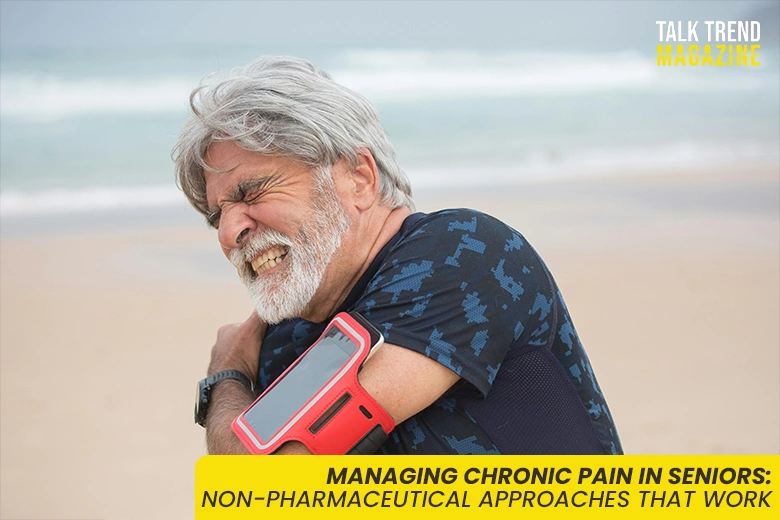
Chronic pain is common in seniors and can affect every aspect of life, from walking and sleeping to socializing and eating well. A Springer Journal study highlights pain among the elderly. Data shows that 28.50% of the participants in the survey reported no pain, while 45.06% said that they experienced moderate pain. Also, 26.44% reported severe pain.
Age can compound the pain, but medications are not an ideal solution. Side effects and dependency may happen down the line. The harm can be greater for seniors, making it essential to seek safer alternatives. Non-pharmaceutical strategies are now strongly recommended as first-line options for many older adults.
However, these methods work best when tailored to the senior’s mobility, medical conditions, and personal preferences. In this article, we will explain some non-pharmaceutical approaches that are effective and safe.
Gentle, Low-Impact Workouts
The University of California notes that seniors with chronic pain may benefit from physical activity. The best exercises recommended for them are walking, water aerobics, strength training, yoga, gardening, and tai chi. These low-impact movements can lower pain intensity and improve function. Additionally, they build strength, flexibility, and balance.
Being active lowers joint stress, reduces fall risk, and often allows seniors to rely less on pain medication. Good starting options include short daily walks on flat, safe surfaces, chair exercises, and resistance bands. Tai chi or gentle yoga classes designed for seniors, which have proven benefits for pain, balance, and mood.
A physical therapist or certified senior fitness trainer can create a safe program. According to carechoice.com, professional caregivers can help them with daily tasks, including physical activity, as part of a personalized care plan. Consistency and gradual progress matter more than intensity.
Massage Therapy
Massage therapy is a well-established non-drug option that can help seniors struggling with chronic pain. It can reduce muscle tension, improve circulation, and provide short- to medium-term relief for back, neck, and joint pain. However, geriatric massage requires caution to prevent side effects.
In older adults, gentle techniques such as Swedish massage or light myofascial release are generally preferred. These techniques reduce the risk of bruising or aggravating fragile tissues in aging adults.
Benefits go beyond pain relief, including reduced anxiety, improved sleep, and a stronger sense of well-being. These factors contribute to better pain tolerance. Seniors should look for therapists experienced with geriatric clients and share any diagnoses, such as osteoporosis, blood thinners, or diabetes. This enables therapists to adapt pressure and positioning safely.
Heat and Cold Application
Thermotherapy (heat) and cryotherapy (cold) are simple, low-cost methods that many seniors can use at home with minimal risk. According to a ScienceDirect study, heat therapy is recommended by 86.5% of experts due to its effects and safety profile. It is ideal for addressing neck pain and chronic back pain.
Heat, such as heating pads, warm compresses, or warm showers, reduces stiffness, relaxes tight muscles, and improves blood flow. Conversely, cold packs can numb sharp pain, lower inflammation, and reduce muscle spasms. They are particularly helpful after activity or in flare-ups of joint or soft tissue pain.
When applying hot or cold compresses, use a cloth barrier between the skin and the packs. Limit each session to about 15–20 minutes and check the skin regularly. Avoid extreme temperatures in people with poor sensation or circulation, such as those with advanced diabetes or neuropathy.
Psychological Approaches
Chronic pain is shaped not just by the body but also by thoughts, emotions, and past experiences. This is the reason why psychological tools are effective when it comes to addressing it. According to an IntechOpen study, for the elderly, chronic pain can exacerbate psychological conditions, such as insomnia, depression, anxiety, and loss of quality of life.
Approaches like cognitive behavioral therapy (CBT) help seniors defy chronic pain with balanced and actionable thinking. This can help them cope better and avoid distress, despite chronic pain. Mindfulness-based stress reduction (MBSR) is also recommended.
Mind–body practices such as mindfulness meditation, relaxation breathing, guided imagery, and hypnosis can give meaningful reductions in pain intensity for older adults. Group programs or telehealth sessions can also reduce loneliness and provide education about pacing, goal-setting, and flare-up management.
FAQs
What is the best natural remedy to address chronic pain?
There is no single “best” natural remedy, but evidence consistently supports a holistic approach. This includes a combination of gentle exercise, psychological approaches, and physical methods such as heat, cold, and massage. Mind–body activities like tai chi or yoga offer sustainable benefits in older adults.
How can pain medications harm seniors?
While pain medicines are sometimes necessary, seniors are more vulnerable to side effects. These include drowsiness, confusion, constipation, dizziness, falls, and drug interactions. Opioids increase the risk of falls, fractures, hospitalizations, and even death. Similarly, long-term NSAID use can cause stomach ulcers, bleeding, kidney problems, and blood pressure changes.
What is the simplest pain-relieving technique?
One of the simplest techniques is alternating rest with short bouts of gentle movement/ This can be combined with basic heat or cold packs applied safely to painful areas. Slow, deep breathing or brief mindfulness exercises can be added anywhere. Together, these practices can reduce muscle tension and help the nervous system “turn down” pain signals.
Besides these natural therapies, pain management in the elderly also hinges on some simple yet effective lifestyle changes. A balanced diet and anti-inflammatory foods can alleviate pain. Seniors suffering from chronic pain can also benefit from restful sleep. Socialization, learning new skills, and pursuing creative activities bring positive distractions and improve the quality of life. The best part is that all this is possible without popping painkillers that do more harm than good.
