
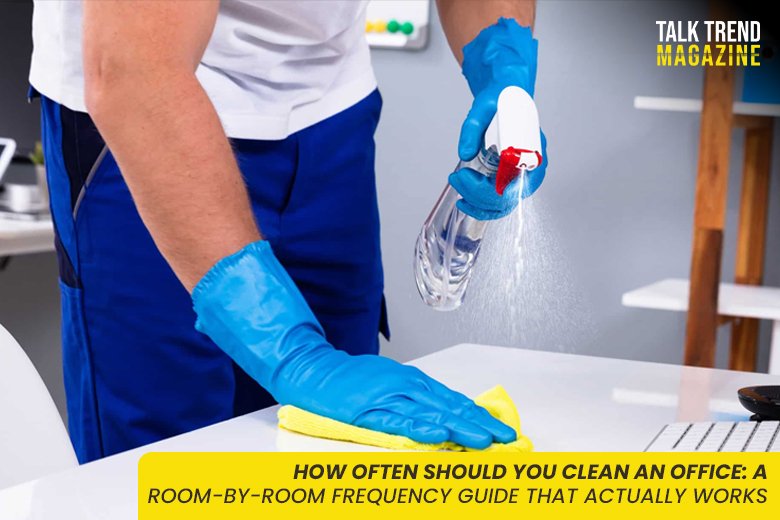
A clean office is not just about appearances. It affects first impressions, employee morale, and even how often people get sick, which is why many teams lean on trusted help, as Orchid Maids, Norwich, CT, to keep standards consistent. The tricky part is figuring out what needs attention daily versus what can wait until the end of the week. This guide breaks down a realistic office cleaning schedule by area, with a special focus on restrooms, break rooms, touch points, and floors. It is also written with real life in mind, because no two workplaces have the same traffic patterns.
The smart way to set your cleaning rhythm
Before you build a schedule, think about two things: foot traffic and risk. The more people using a space and the more that space involves food, water, or shared contact, the more often it should be cleaned. A professional commercial maid service can also help you spot your “hot zones” faster, because experienced cleaners recognize patterns most teams miss and can tailor a plan that fits your business instead of forcing a generic checklist.
The quick cheat code
- High traffic and high touch areas need daily attention.
- Low traffic offices can often run on a weekly detail clean, with daily touch ups.
- Seasonal spikes matter, like flu season or rainy months that bring in more grime.
Restrooms: the non-negotiable daily zone
Restrooms are where cleaning frequency matters most, and skipping days can backfire fast. Even a tidy looking restroom can carry lingering odors and bacteria on fixtures, handles, and stall hardware. If you want employees and visitors to feel comfortable, this is the place to be consistent.
Recommended frequency
- Daily: toilets, urinals, sinks, counters, mirrors, and touch points (faucet handles, stall latches, dispensers).
- 2 to 3 times per week: deep scrub for grout lines, baseboards, and hard-to-reach edges.
- Weekly: descale fixtures if your water is hard, plus high dusting vents and light covers.
Fun fact: Fun fact about office restrooms is that odors often cling to porous surfaces like grout more than to the toilet itself, which is why periodic deep scrubbing makes such a big difference.
Break rooms: where crumbs and cross-contamination live
Break rooms feel harmless until you remember how many hands touch the same fridge handle, microwave buttons, and coffee station. Food areas also attract pests if crumbs and sticky residue build up. A steady routine here keeps the space pleasant and helps avoid those mysterious smells that “appear” overnight.
Recommended frequency
- Daily: wipe counters, tables, sink areas, and sanitize high-touch appliances.
- 2 to 3 times per week: clean microwave interior, wipe cabinet fronts, spot clean walls near trash areas.
- Weekly: deep clean inside the fridge and disinfect trash can interiors.
If your team eats at desks and only uses the break room lightly, you can scale down. If your office runs on coffee and shared lunches, bump it up.
Touch points: the fastest path for germs to travel
Even if floors shine, it is the shared touch points that quietly spread illness. These are the surfaces people use without thinking, and they get hit dozens or hundreds of times a day. This is where professional commercial maid services can add real value, because they follow repeatable sanitation processes and use products that clean effectively without leaving harsh residues on frequently touched surfaces.
Highest priority touch points
Door handles, light switches, elevator buttons, shared keyboards, copier panels, conference room remotes, break room appliance handles, faucet handles, and reception counters.
Recommended frequency
- Daily minimum: sanitize core touch points across the office.
- Twice daily during flu season or heavy traffic days: reception and shared equipment zones.
Floors: match the plan to the material and the weather
Floors take the most visible beating, but they also hold on to allergens and fine dust that people track around. A good floor plan depends on the type of flooring and your local conditions, especially rain and winter grit.
Recommended frequency by floor type
- Carpet: vacuum 3 to 5 times per week in high traffic areas, plus spot treat as needed.
- Hard floors (vinyl, tile, laminate): sweep or dust mop daily, damp mop 2 to 3 times per week.
- Entryways: daily attention is essential, because most dirt enters through the front door.
Fun fact: Fun fact is that most offices bring in the majority of their dirt through the first 20 feet of the entrance, which is why mats and daily entry cleaning give you the biggest payoff.
Weekly and monthly tasks that keep things from sliding
Daily cleaning handles the obvious mess. Weekly and monthly tasks prevent slow buildup that makes spaces feel dingy over time. This is also where hiring professional commercial maid services often saves money long term, because a consistent maintenance schedule can reduce premature wear on floors, fixtures, and furniture.
Good monthly priorities
- Dusting vents and high ledges.
- Detailed wipe down of baseboards and door frames.
- Upholstery spot cleaning in common areas.
- Floor finishing tasks like buffing or periodic carpet extraction as needed.
A quick but important note on workplace injuries and legal support
Keeping an office clean is also a quiet form of risk management. Slips on wet floors, trips from clutter, and even repetitive strain issues from workplace setups can lead to injuries that disrupt someone’s livelihood. In cases where an employee is hurt on the job, workers compensation lawyers can play a valuable role by helping injured workers understand their rights, file paperwork correctly, meet deadlines, and push back if a claim is delayed or unfairly denied, while also clarifying what steps to take if your benefits are delayed. They can also help document medical treatment, calculate lost wage benefits, and handle disputes so employees are not stuck navigating a confusing system while they are trying to recover. When injuries are serious, legal guidance can make the process feel less overwhelming and can protect someone from accepting a settlement that does not reflect future care needs. A well-run workplace aims to prevent harm, but it is reassuring to know skilled advocates exist when accidents happen.
Bringing it all together without overcomplicating it
The best cleaning schedule is the one your office can stick to. Start with daily restrooms, daily touch point sanitation, and a steady floor routine, then layer in weekly deep cleaning where your traffic demands it. If you want the highest standard with the least stress, professional commercial maid services are built for exactly this: consistent results, reliable checklists, and the experience to adjust the plan as your office changes. Clean spaces feel better, work better, and make it easier for everyone to focus on what they came to do.
