
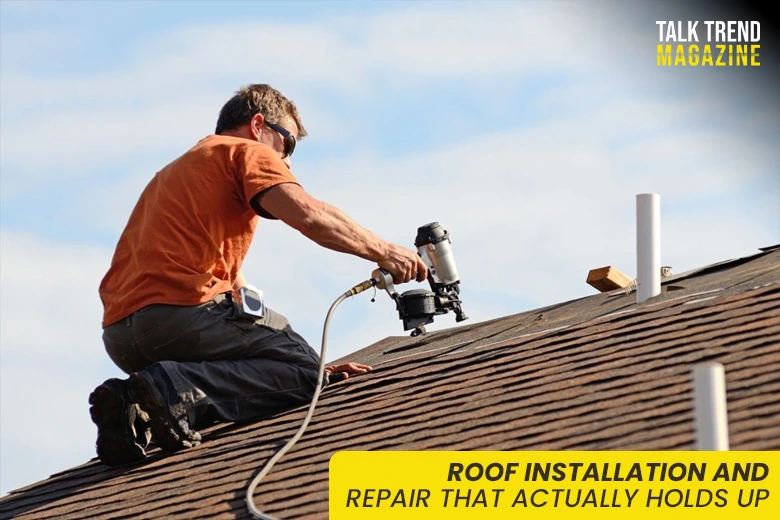
A roof is more than the top layer of your house. It is the system that manages water, wind, heat, and ventilation all at once, and it only works well when every piece works together, which is why many homeowners rely on top-rated roofers in Portland when they want the details handled correctly. Whether you are planning a full replacement or you are dealing with a sudden leak, the goal is the same: build or restore a roof that stays dry, stays stable, and stays efficient year after year.
What “roof installation” really includes
A proper installation is not just laying shingles. It usually involves removing old materials, inspecting the deck, replacing damaged sections, installing underlayment, flashing the vulnerable edges and joints, and finishing with ridge ventilation. The quality of these details matters as much as the material you choose, because most roof failures start where surfaces meet.
Choosing materials that fit your home and your habits
Asphalt shingles are popular because they are cost-effective and come in many styles, while metal roofing can offer long service life and strong weather resistance. Tile and slate can be stunning and durable, but they are heavier and may require structural considerations. The best choice is the one that fits your budget, your home’s design, and how long you plan to stay.
Warning Signs Your Roof Is Asking for Help
A roof rarely fails without giving you clues first. The trick is noticing the hints before they become a ceiling stain or a soggy insulation problem. If you keep an eye on a few telltale signs, you can often repair issues early and avoid a full replacement.
Exterior signs you can spot from the ground
Look for missing or curling shingles, dark streaks that do not wash away, sagging rooflines, or granules collecting near downspouts. Damaged flashing around chimneys and vents is another common culprit, especially after big storms or high winds.
Interior signs that should never be ignored
Inside, water stains on ceilings, damp attic insulation, musty smells, and peeling paint near the roofline can all point to moisture getting in. If you notice daylight through the attic roof boards, that is a loud alarm, even if you have not seen water yet.
Repairs That Matter Most
Not every issue requires major work, but the right repair in the right place can add years to a roof’s life. The key is accurate diagnosis, because treating the symptom instead of the source wastes time and money.
Leak repairs: why the drip is rarely the entry point
Water can travel along rafters and underlayment before it shows up inside, so the visible drip may be several feet away from where it entered. A careful inspection looks for damaged shingles, lifted flashing, compromised sealant, or clogged drainage areas that push water where it should not go.
Flashing, vents, and valleys: the “weak links”
Roof valleys and penetrations handle a lot of water flow and movement, so they need extra attention. Replacing cracked vent boots, resealing around penetrations, and repairing valley materials are common fixes that can prevent repeat problems.
Gutter Cleaning and Why Your Roof Cares
Your roof and gutters work as a team, and when the gutters are neglected, the roof often pays the price, so having a reliable roofing team you can reach quickly, 619roofing.com, can make it easier to catch small issues before they turn into bigger repairs. Rain gutter cleaning is not glamorous, but it is one of the simplest ways to protect shingles, fascia boards, and even the foundation. When leaves and debris build up, water can back up and spill over the edges, soaking areas that were never designed to stay wet. That overflow can lead to rotting wood, stained siding, and ice buildup in cold months, which can pry up shingles and stress the roof’s edge. Clean gutters also reduce the chances of water pooling near the home and sneaking into crawl spaces or basements. A practical routine is to check them during heavy leaf seasons and after big storms, because one surprise clog can cause more damage than you would expect. If you see plants growing in the gutter, that is not just funny, it means you have the start of a miniature garden that is holding moisture against your home.
Installation Quality: The Details That Separate “Good” From “Great”
A roof can look perfect on day one and still be poorly installed underneath. What you do not see is usually what determines whether it lasts. The best installations focus on airflow, waterproofing layers, and correct fastening, not just neat lines of shingles.
Ventilation and insulation are part of the roof system
Without proper ventilation, heat and moisture can build up in the attic, which can shorten the life of roofing materials and encourage mold. Balanced intake and exhaust ventilation helps regulate temperature, supports energy efficiency, and reduces stress on the roof structure.
Underlayment and drip edges do heavy lifting
Underlayment provides a second line of defense against moisture, especially in wind-driven rain. Drip edges guide water into gutters and away from wood components. These are small elements with big consequences when skipped or installed incorrectly.
Smart Maintenance That Extends Roof Life
The best roof repair is often the one you never need. Simple maintenance habits make a real difference, and they do not require you to become a roofing expert. A seasonal inspection, quick fixes after storms, and keeping drainage clear can keep small issues from becoming expensive emergencies.
A simple checklist to follow seasonally
Walk around your home and look for changes: loose materials, debris in valleys, and damaged flashing. Check the attic after heavy rain for damp spots. If something looks off, address it early while the repair is still straightforward.
Fun fact: roofs have been protecting humans for thousands of years
Some of the earliest known roofs used layered thatch and clay, and the basic idea has stayed the same: shed water fast, manage heat, and keep the structure dry. Modern materials have evolved, but the roof’s job description is still surprisingly old-school.
When It’s Time to Repair vs Replace
Deciding between repair and replacement depends on the roof’s age, the spread of damage, and how often issues keep coming back. If problems are isolated and the rest of the roof is in good condition, repairs can be a smart move. If damage is widespread, materials are near the end of their lifespan, or you have recurring leaks in multiple areas, replacement may be the more cost-effective and stress-free option long term.
If you want, I can also write a meta description and a short FAQ section to match the article without adding fluff or keyword stuffing.
